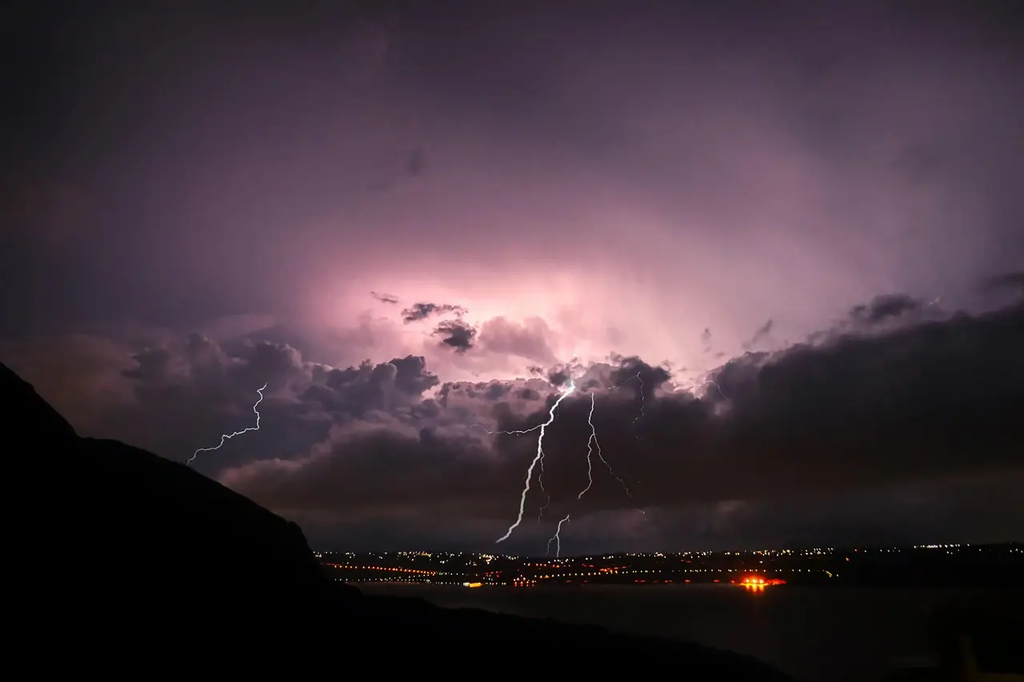
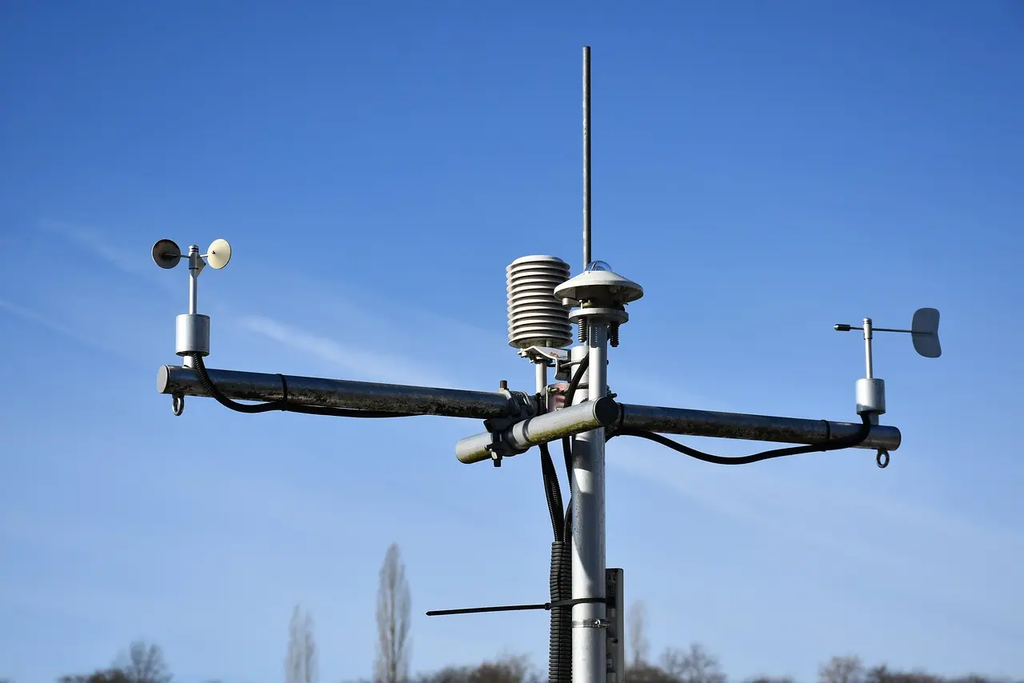
Hurricanes and storms are powerful natural weather phenomena characterized by strong winds, heavy rainfall, and turbulent atmospheric conditions. Hurricanes, also known as cyclones or typhoons in different regions, form over warm ocean waters and can cause widespread destruction when they make landfall. Storms, including thunderstorms and tropical storms, vary in intensity but often bring severe weather such as lightning, flooding, and high winds, posing risks to life and property.
Hurricanes & Storms
Hurricanes and storms are powerful natural weather phenomena characterized by strong winds, heavy rainfall, and turbulent atmospheric conditions. Hurricanes, also known as cyclones or typhoons in different regions, form over warm ocean waters and can cause widespread destruction when they make landfall. Storms, including thunderstorms and tropical storms, vary in intensity but often bring severe weather such as lightning, flooding, and high winds, posing risks to life and property.
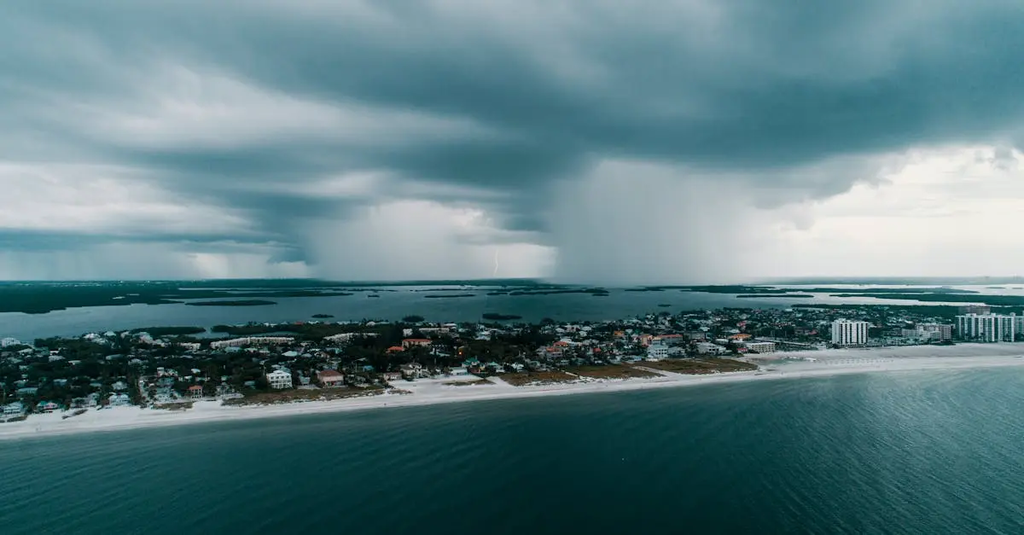
💡 Key Takeaways
- Understand the regional terms for these storms (hurricanes, cyclones, and typhoons) and where each name is used.
- Learn how warm ocean waters and atmospheric conditions contribute to hurricane formation and intensification.
- Identify the key features of a hurricane (eye, eyewall) and the main hazards (strong winds, heavy rainfall, storm surge).
- Recognize basic safety, preparedness, and response measures for storms and landfall.
❓ Frequently Asked Questions
What is a hurricane, cyclone, or typhoon?
They are regional names for the same type of tropical cyclone. They form over warm ocean waters and can bring strong winds, heavy rain, and storm surge.
How do hurricanes form?
They develop over warm seas (around 26.5°C or warmer) when moist air rises, creating thunderstorms that organize into a powerful rotating system.
What are the eye, eyewall, and rainbands?
The eye is the calm center, the eyewall surrounds it with the strongest winds, and rainbands are spiraling bands of heavy rain extending outward.
What happens at landfall and how can you stay safe?
Landfall is when the storm's center reaches land, bringing damaging winds and flooding. Follow evacuation orders, secure property, and seek sturdy shelter away from windows.