The phrase "HV Transmission and HVDC Intro (Telecoms, Signals & Power)" refers to an introduction to high voltage (HV) transmission systems and high voltage direct current (HVDC) technology. It encompasses the basics of how electrical power is transmitted over long distances, the role of HVDC in improving efficiency, and the importance of telecommunications and signaling for monitoring, control, and protection of these power networks.
HV Transmission and HVDC Intro
The phrase "HV Transmission and HVDC Intro (Telecoms, Signals & Power)" refers to an introduction to high voltage (HV) transmission systems and high voltage direct current (HVDC) technology. It encompasses the basics of how electrical power is transmitted over long distances, the role of HVDC in improving efficiency, and the importance of telecommunications and signaling for monitoring, control, and protection of these power networks.
💡 Key Takeaways
- Grasp why high-voltage transmission is used to move large amounts of electricity efficiently over long distances.
- Distinguish HVAC vs HVDC transmission, including when each is preferred and common use cases.
- Identify the key components of HV transmission systems (conductors, transformers, substations) and HVDC-specific converters.
- Learn the basic operation of HVDC converters (rectifier and inverter) and the main advantages of HVDC over long HVAC runs.
❓ Frequently Asked Questions
What is high-voltage transmission?
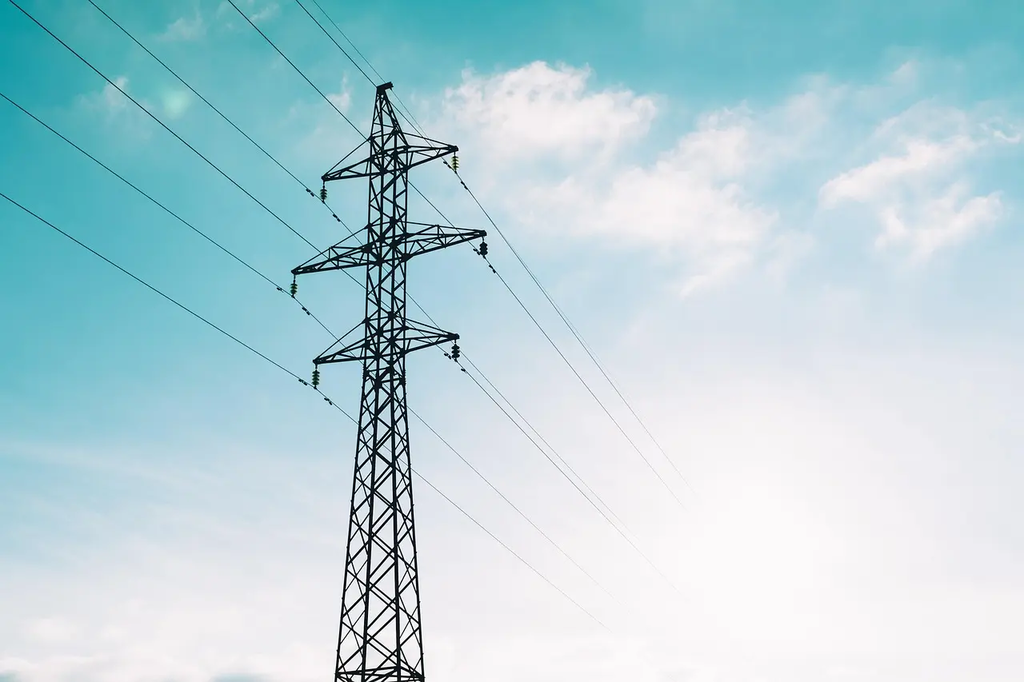
High-voltage transmission is the bulk transfer of electrical power over long distances at voltages much higher than distribution levels (hundreds of kilovolts). It minimizes energy losses, with transformers stepping voltage up for transmission and down for distribution.
What is HVDC and when is it used?
HVDC stands for high-voltage direct current transmission. It uses converters to turn AC into DC for the line and back to AC at the end. It’s preferred for very long or undersea cables, asynchronous grids, and when precise control of power flow is needed.
How do HVAC and HVDC differ?
HVAC uses alternating current and relies on transformers for voltage changes, common for shorter to medium distances. HVDC uses direct current with converter stations, advantageous for long distances or submarine cables and for controlled power flow, but involves converter equipment and losses.
What are common components of HV transmission systems?
HVAC components include generators, step-up/step-down transformers, high-voltage lines, substations, and switchgear. HVDC adds converter stations (rectifiers/inverters), DC transmission lines, filters, and related reactive compensation equipment.