Hybrid/EV powertrain service refers to the maintenance, diagnosis, and repair of the electrical and mechanical systems that propel hybrid and electric vehicles. This includes servicing high-voltage batteries, electric motors, power electronics, regenerative braking systems, and related control units. Specialized tools and safety procedures are essential, as these components differ significantly from traditional gasoline engines. Regular service ensures optimal performance, efficiency, and longevity of hybrid and electric vehicle powertrains.
Hybrid/EV Powertrain Service
Hybrid/EV powertrain service refers to the maintenance, diagnosis, and repair of the electrical and mechanical systems that propel hybrid and electric vehicles. This includes servicing high-voltage batteries, electric motors, power electronics, regenerative braking systems, and related control units. Specialized tools and safety procedures are essential, as these components differ significantly from traditional gasoline engines. Regular service ensures optimal performance, efficiency, and longevity of hybrid and electric vehicle powertrains.
💡 Key Takeaways
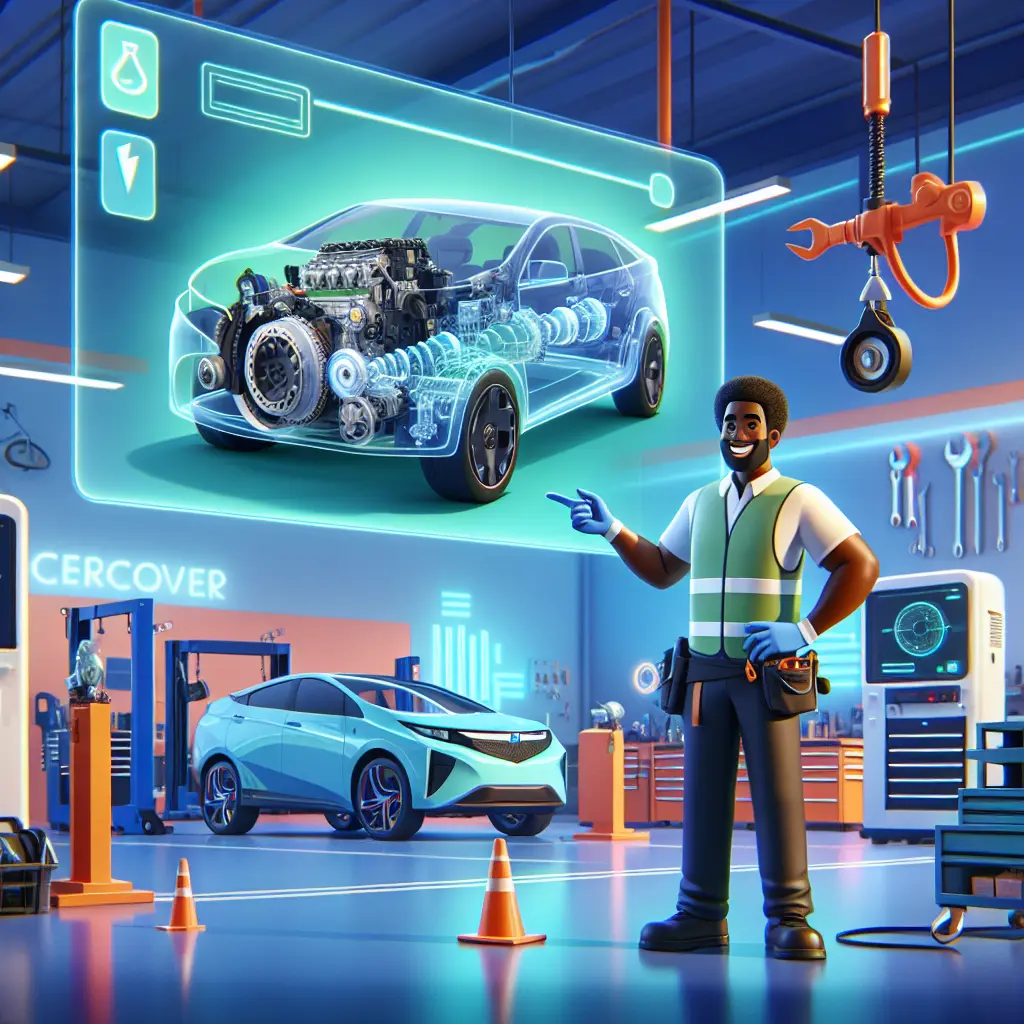
- Identify core powertrain components such as high-voltage battery packs, traction motors, inverters, DC-DC converters, and regenerative braking systems.
- Follow high-voltage safety procedures and wear appropriate PPE for field service.
- Diagnose EV powertrains using diagnostic tools, fault codes, and real-time data to assess battery, motor, inverter, and control unit health.
- Service and inspect powertrain components including battery cooling, battery health, motors, and power electronics.
❓ Frequently Asked Questions
What is a hybrid/EV powertrain?
The propulsion system for hybrid and electric vehicles, including electric motor(s), high-voltage battery, power electronics, and control units; hybrids may also include an internal combustion engine.
What components are included in the powertrain?
High-voltage battery pack, traction motor(s), inverters and other power electronics, cooling/thermal management systems, high-voltage wiring, and related control modules.
What safety practices are essential when working on hybrid/EV powertrains?
Power down the system, use proper PPE and lockout/tagout procedures, employ insulated tools, and avoid high-voltage components unless properly trained.
What are common service tasks for the hybrid/EV powertrain?
Battery health checks, cooling system maintenance, software/firmware updates for control units, and inspection/diagnostics of motors, inverters, and wiring.
How does regenerative braking work and why is it important?
During braking, the motor operates as a generator to convert kinetic energy back into stored electrical energy in the battery, improving efficiency and potential range.