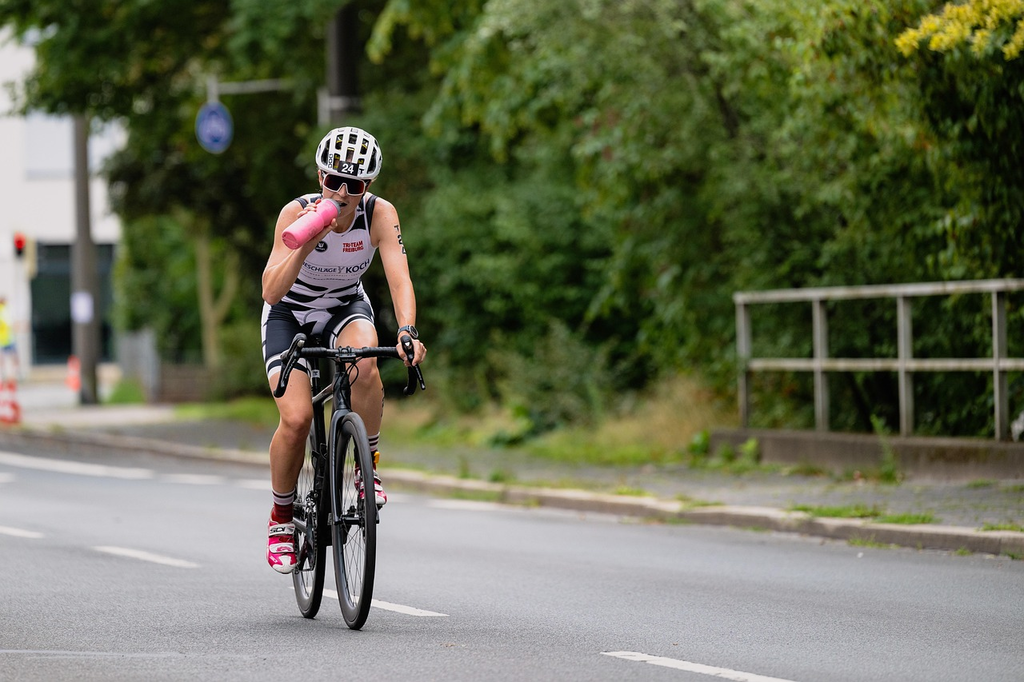
Hydration plays a crucial role in athletic performance by maintaining fluid balance, regulating body temperature, and supporting muscle function. Proper hydration helps prevent fatigue, cramps, and decreased endurance. Incorporating healthy habits like regular water intake and consuming superfoods rich in electrolytes—such as coconut water, bananas, and leafy greens—can enhance recovery and energy levels. Staying hydrated ensures athletes perform optimally and recover faster after intense physical activity.
Hydration and Athletic Performance
Hydration plays a crucial role in athletic performance by maintaining fluid balance, regulating body temperature, and supporting muscle function. Proper hydration helps prevent fatigue, cramps, and decreased endurance. Incorporating healthy habits like regular water intake and consuming superfoods rich in electrolytes—such as coconut water, bananas, and leafy greens—can enhance recovery and energy levels. Staying hydrated ensures athletes perform optimally and recover faster after intense physical activity.
💡 Key Takeaways
- Understand how hydration affects athletic performance, endurance, and mental focus
- Learn how to estimate and meet fluid needs before, during, and after workouts
- Identify signs of dehydration and choose appropriate fluids (water vs. electrolyte drinks)
- Recognize the role of electrolytes and when they matter for athletic hydration
❓ Frequently Asked Questions
How does hydration impact athletic performance?
Adequate fluids help maintain blood volume, regulate body temperature, and support endurance and cognitive function. Even small losses (about 1–2% of body weight) can begin to impair performance.
How much should I drink before, during, and after exercise?
Before: 5–7 ml/kg 2–4 hours prior. During: about 400–800 ml per hour (adjust for sweat rate and conditions). After: rehydrate to replace losses (roughly 1.25–1.5 L per kg of body weight lost) within 6 hours.
How can I tell if I’m properly hydrated?
Urine color is a quick check: pale yellow usually indicates good hydration; dark urine suggests underhydration. Thirst and performance cues are also helpful indicators.
Water vs. sports drinks—when should I use each?
For workouts under 60 minutes, water is typically enough. For longer or high-intensity sessions, beverages with electrolytes and 4–8% carbohydrates help replace salts and energy; in hot conditions, sodium can aid fluid retention.
What is hyponatremia and how can I prevent it during endurance events?
Hyponatremia is dangerously low blood sodium from drinking too much water without electrolytes. Prevent by drinking to thirst, using electrolyte-containing drinks for long events, and avoiding excessive fluid intake.