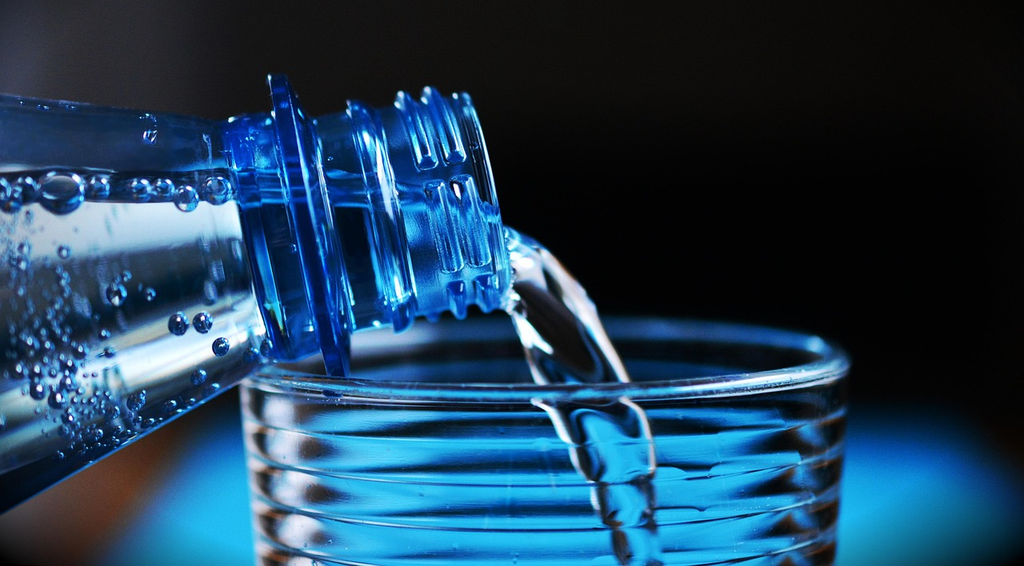
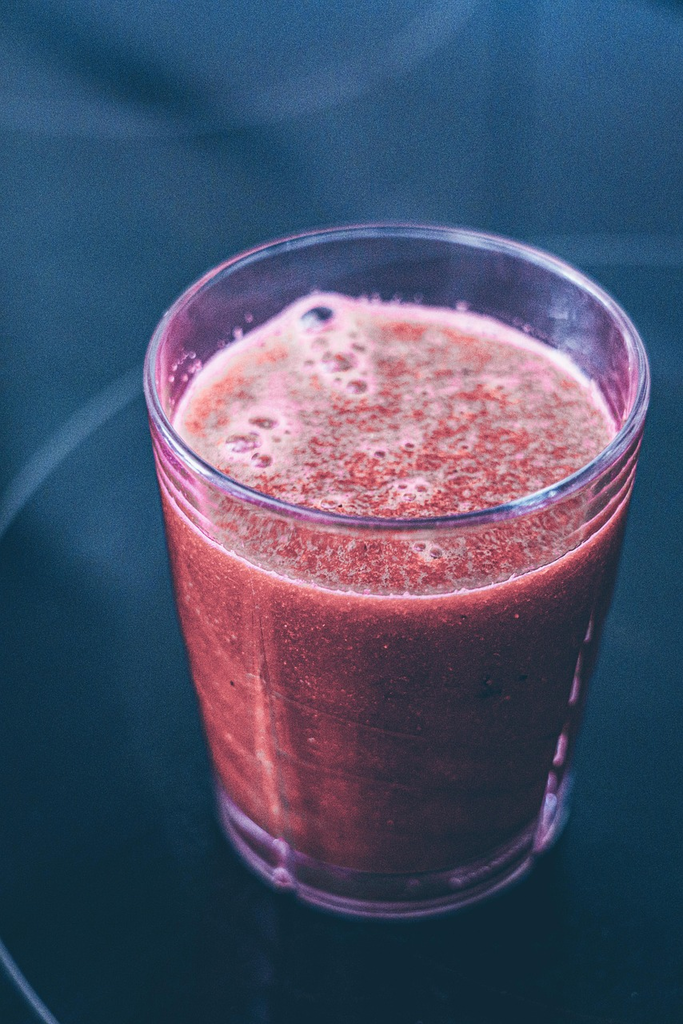
Hydration and cellular health are closely linked, as adequate water intake supports optimal cell function, nutrient transport, and waste removal. Maintaining healthy habits, such as drinking enough water and consuming superfoods rich in antioxidants and essential nutrients, helps protect cells from oxidative stress and damage. These practices promote energy production, enhance immune function, and contribute to overall well-being by ensuring that cells operate efficiently and remain resilient against environmental stressors.
Hydration and Cellular Health
Hydration and cellular health are closely linked, as adequate water intake supports optimal cell function, nutrient transport, and waste removal. Maintaining healthy habits, such as drinking enough water and consuming superfoods rich in antioxidants and essential nutrients, helps protect cells from oxidative stress and damage. These practices promote energy production, enhance immune function, and contribute to overall well-being by ensuring that cells operate efficiently and remain resilient against environmental stressors.

💡 Key Takeaways
- Water supports cellular hydration and function by enabling nutrient transport and waste removal.
- Dehydration can disrupt cellular processes, reduce energy production, and impair function.
- Use simple daily strategies to stay hydrated (regular water intake, fluids with meals, and monitoring thirst and urine color).
- Electrolytes like sodium and potassium help maintain cellular fluid balance; imbalances can affect cells and health.
❓ Frequently Asked Questions
What does hydration mean at the cellular level?
Hydration refers to the water content inside and around cells. Adequate hydration supports cell volume, nutrient transport, waste removal, and biochemical reactions.
How does dehydration affect cellular health?
Dehydration reduces cell volume, slows reactions, and impairs transport of nutrients and wastes, which can lead to fatigue and decreased cell function.
What role do electrolytes play in hydration?
Electrolytes regulate water movement across membranes, support nerve and muscle function, and help maintain proper fluid balance and electrical neutrality in the body.
How can you optimize daily hydration for cellular health?
Drink water regularly, include water-rich foods, monitor urine color as a guide, adjust for activity and climate, and consider electrolytes when sweating heavily.
Can you drink too much water?
Yes. Excessive water intake without electrolytes can dilute blood sodium (hyponatremia); pace intake and tailor it to activity, climate, and individual needs.