Hydration and healing refers to the essential role that adequate water intake plays in the body’s recovery processes. Proper hydration supports cellular repair, nutrient transport, and toxin elimination, all of which are crucial for healing from illness or injury. Staying well-hydrated helps maintain skin elasticity, promotes faster tissue regeneration, and boosts immune function, ultimately accelerating the body’s natural ability to heal and recover efficiently.
Hydration and Healing+50
Hydration and healing refers to the essential role that adequate water intake plays in the body’s recovery processes. Proper hydration supports cellular repair, nutrient transport, and toxin elimination, all of which are crucial for healing from illness or injury. Staying well-hydrated helps maintain skin elasticity, promotes faster tissue regeneration, and boosts immune function, ultimately accelerating the body’s natural ability to heal and recover efficiently.
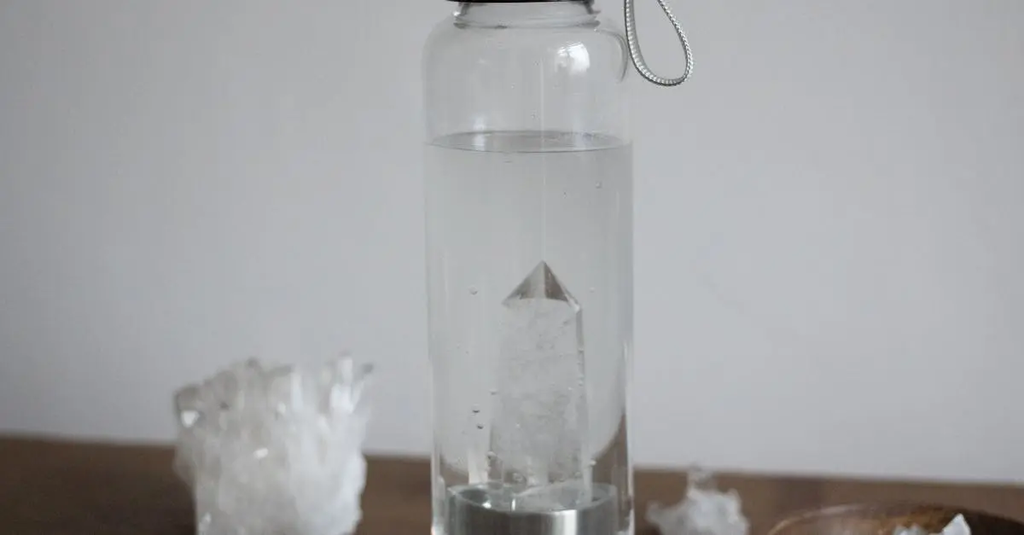
💡 Key Takeaways
- Understand how hydration supports healing, including tissue repair and immune function.
- Learn daily hydration goals and practical tips for staying hydrated during activity or recovery.
- Recognize signs of dehydration and when to increase fluids during healing.
- See how electrolytes and fluids work together to optimize recovery.
❓ Frequently Asked Questions
Why is hydration important for healing?
Water supports blood flow, nutrient delivery, and tissue repair; staying hydrated helps cells function and can speed recovery, while dehydration can slow wound healing and raise infection risk.
How much water should I drink to support healing?
A common guideline is about 8 cups (2 liters) per day, but needs vary by climate, activity, age, and illness. Use thirst and pale urine as indicators of adequate hydration.
What signs indicate dehydration that could slow healing?
Thirst, dark yellow urine, dry mouth, fatigue, dizziness, or infrequent urination. Severe dehydration may include confusion or rapid heartbeat—seek care if worse.
Do foods help with hydration and healing?
Yes. Hydrating foods (fruits, vegetables, soups) count toward fluids and provide minerals that help fluid balance. Limit excessive caffeine/alcohol, which can mildly dehydrate.