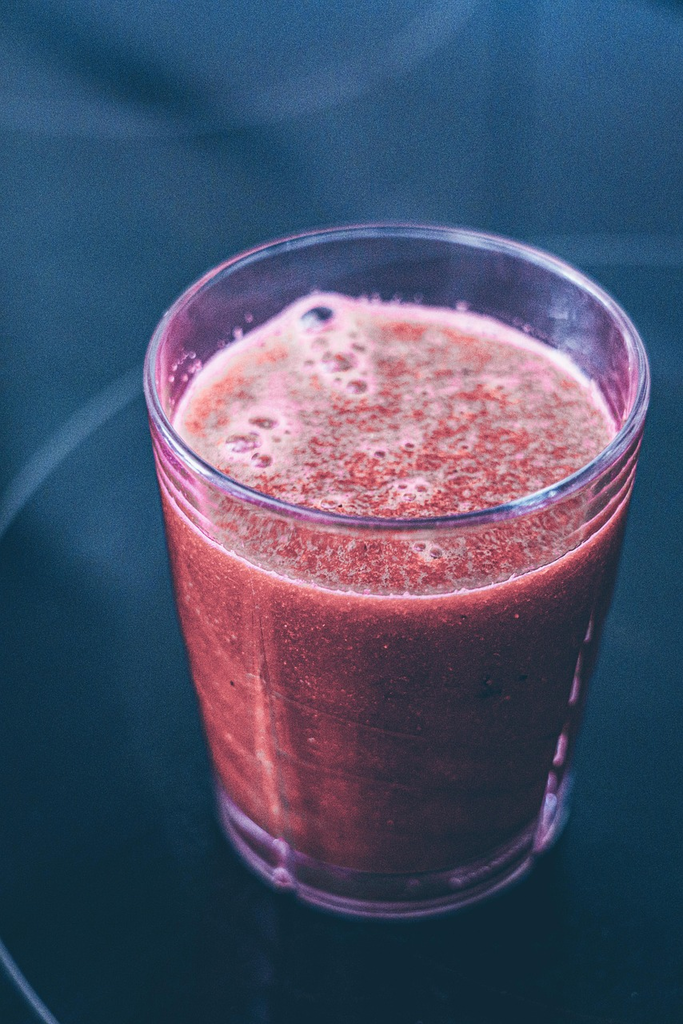
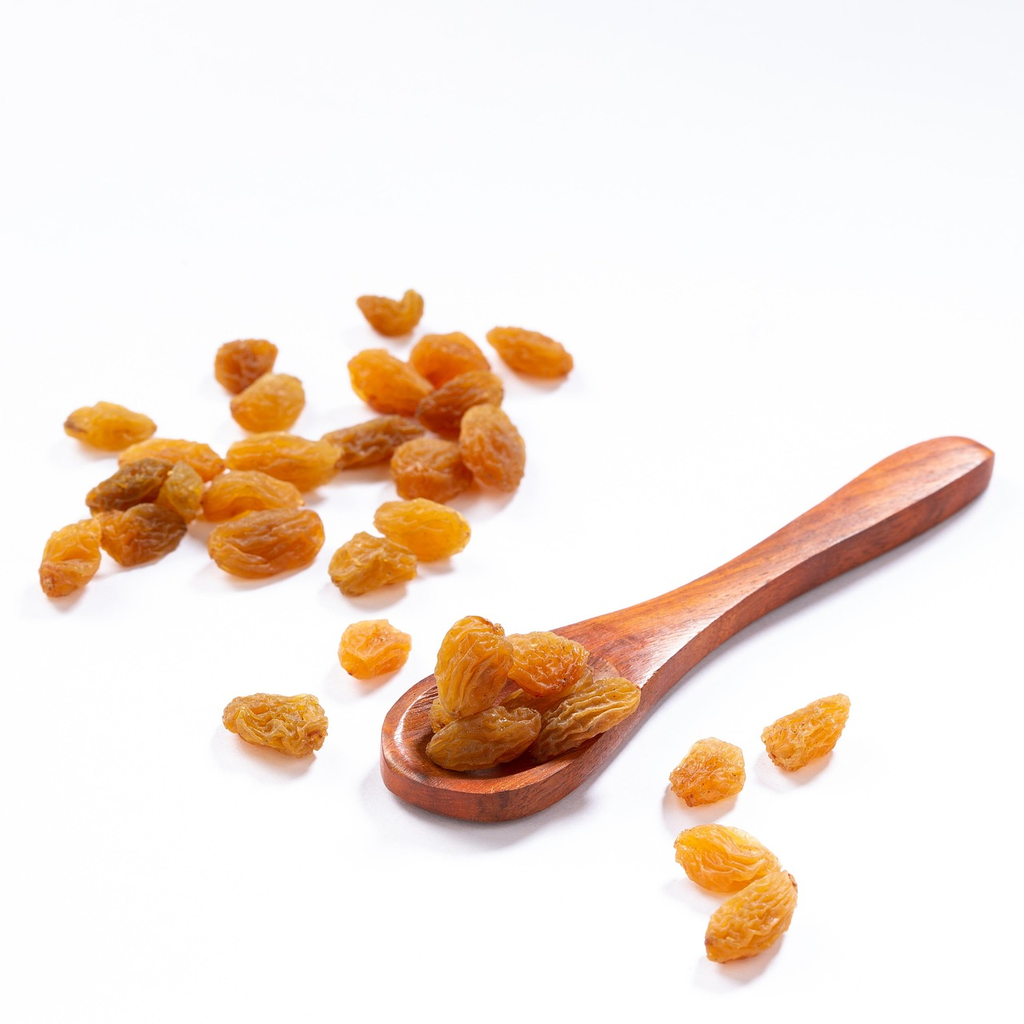
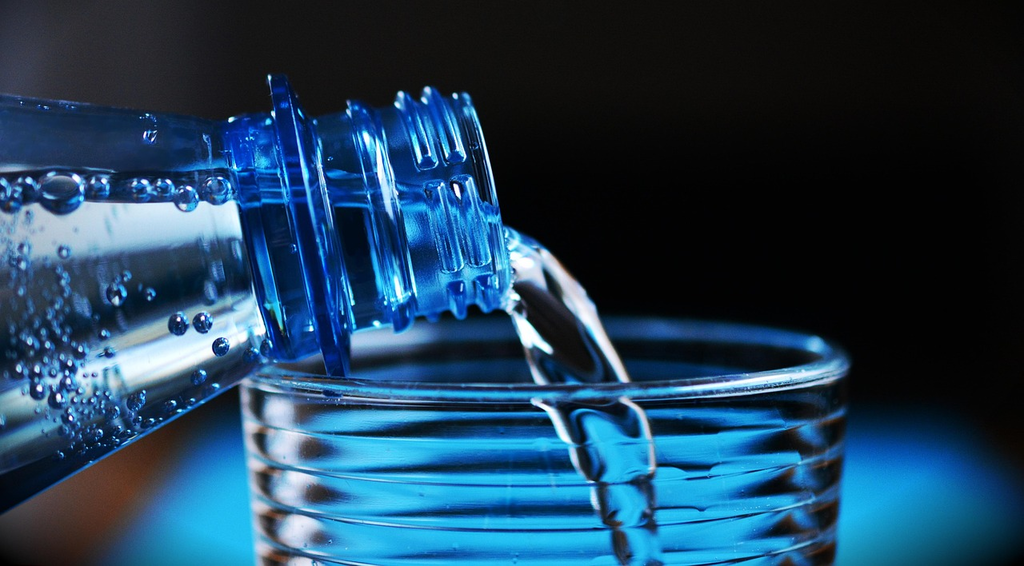
Hydration for athletes is crucial for maintaining peak performance, preventing fatigue, and supporting recovery. Healthy habits include drinking water regularly, especially before, during, and after exercise. Incorporating superfoods like coconut water, watermelon, and chia seeds helps replenish electrolytes and essential nutrients lost through sweat. Proper hydration also aids in muscle function, reduces the risk of cramps, and enhances overall endurance, making it a vital component of an athlete’s daily routine.
Hydration for Athletes
Hydration for athletes is crucial for maintaining peak performance, preventing fatigue, and supporting recovery. Healthy habits include drinking water regularly, especially before, during, and after exercise. Incorporating superfoods like coconut water, watermelon, and chia seeds helps replenish electrolytes and essential nutrients lost through sweat. Proper hydration also aids in muscle function, reduces the risk of cramps, and enhances overall endurance, making it a vital component of an athlete’s daily routine.
💡 Key Takeaways
- Explain how proper hydration impacts performance, endurance, and recovery.
- Determine fluid needs before, during, and after workouts.
- Identify dehydration symptoms and know when to rehydrate.
- Choose the right drinks and electrolytes for different activities and environments.
- Apply practical tips for staying hydrated, including timing, cues, and daily habits.
❓ Frequently Asked Questions
What is hydration and why does it matter for athletes?
Hydration means keeping a proper fluid balance. For athletes, it supports performance, temperature control, and faster recovery; dehydration can reduce endurance and increase heat-related risks.
How much should I drink before, during, and after exercise?
Before: about 5–7 ml/kg 2–4 hours ahead. During: 400–800 ml per hour, adjusted for sweat rate; sip regularly. After: replace losses and rehydrate within 6–24 hours, with electrolytes if needed.
How can I tell if I’m properly hydrated?
Look at urine color (pale straw is a good sign), thirst level, and weight changes after workouts. A loss of around 2% body weight can indicate underhydration.
Should I use sports drinks or electrolytes?
Water works well for short or cool workouts. For longer or hot sessions with heavy sweating, use beverages with electrolytes (sodium, potassium) to replace losses and help prevent hyponatremia.