Hypertension: Sodium, Potassium & DASH

💡 Key Takeaways
- Understand how sodium intake affects blood pressure and why reducing sodium can help manage hypertension.
- Identify common dietary sources of sodium and practical tips to reduce salt in meals.
- Learn the role of potassium in blood pressure regulation and how to incorporate potassium-rich foods safely.
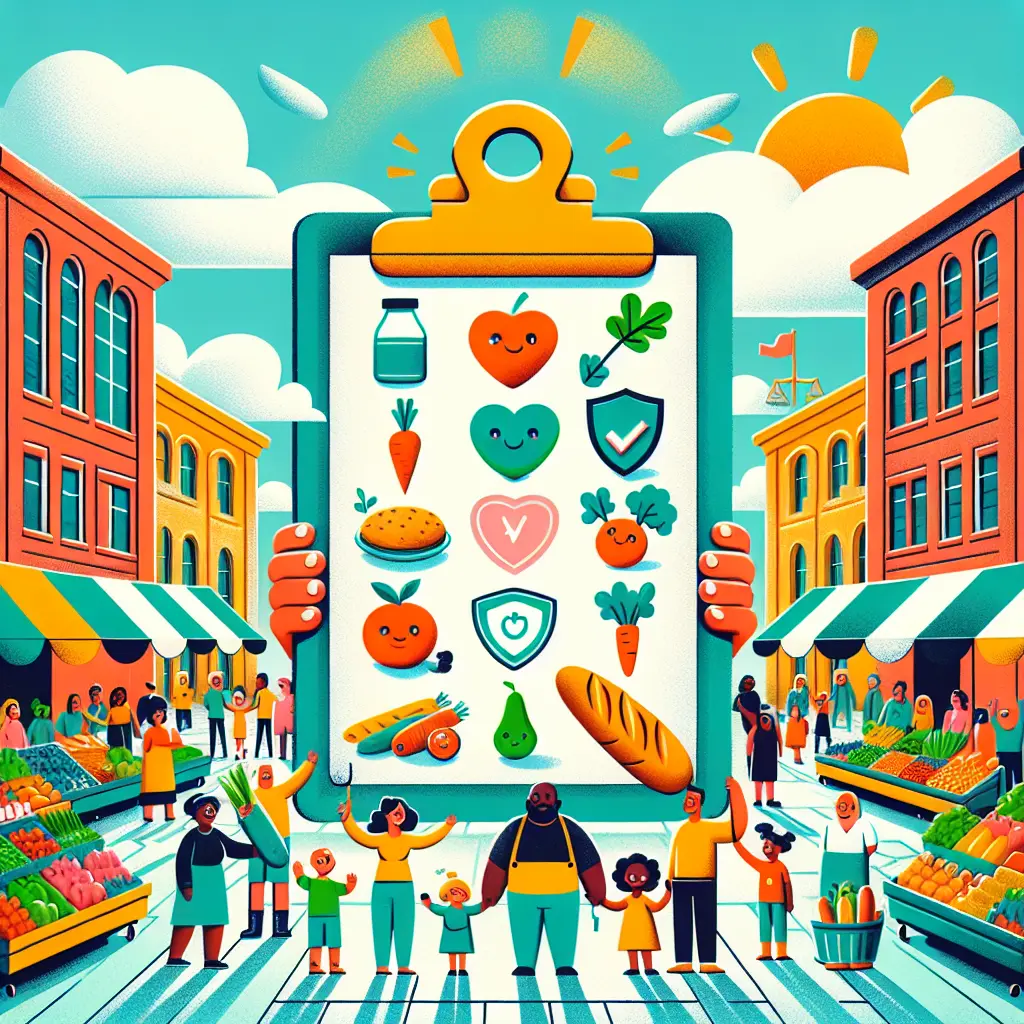
- Explore the DASH diet basics (fruits, vegetables, low-fat dairy, lean proteins, whole grains) and how this eating pattern supports hypertension management.
❓ Frequently Asked Questions
What is the DASH diet and how does it help with hypertension?
DASH stands for Dietary Approaches to Stop Hypertension. It emphasizes fruits, vegetables, low-fat dairy, lean proteins, and whole grains to provide minerals like potassium, calcium, and magnesium that help lower blood pressure.
How does sodium intake affect blood pressure?
Lowering sodium can reduce blood pressure in many people. Aim for about 1500–2300 mg per day (adjust based on guidance) and choose fresh or low-sodium options whenever possible.
What is the role of potassium in blood pressure management, and how much should you eat?
Potassium helps balance sodium and relaxes blood vessels, aiding BP control. Target roughly 3500–4700 mg per day from foods, but consult a clinician if you have kidney disease or take certain medications.
Who should be cautious with potassium or salt substitutes?
People with kidney disease or on potassium‑sparing medications (such as some diuretics, ACE inhibitors, or ARBs) should monitor potassium and avoid high‑potassium salt substitutes unless advised by a doctor.
What foods fit a hypertension‑friendly diet?
Fruits, vegetables, low‑fat dairy, lean proteins, and whole grains; limit processed and high‑sodium foods; use herbs and spices instead of salt and follow DASH guidelines.