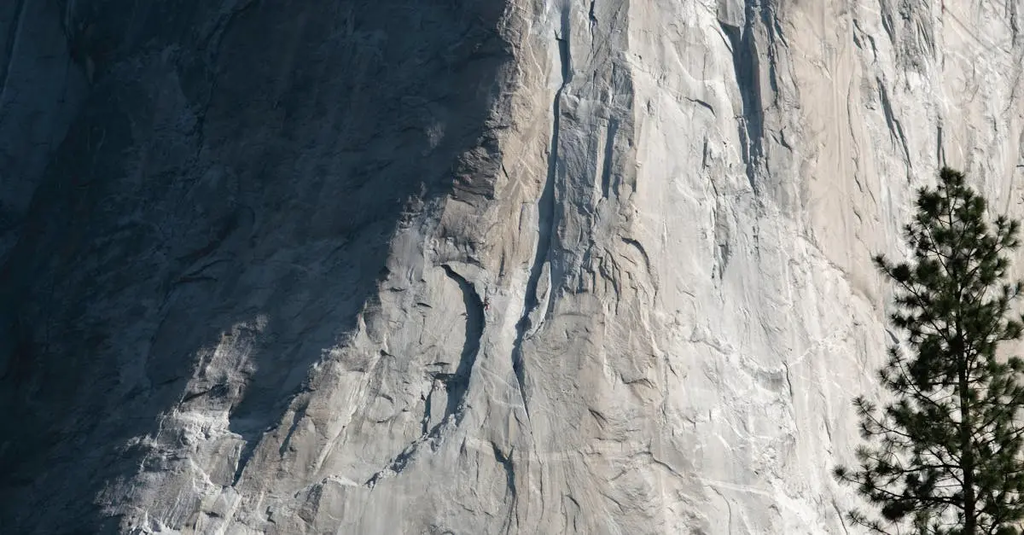
Iconic Big-Wall Routes of Yosemite refers to the legendary, challenging multi-pitch climbing routes found on Yosemite’s massive granite cliffs, such as El Capitan and Half Dome. These routes, including classics like The Nose and Salathé Wall, are renowned worldwide for their sheer scale, technical difficulty, and historical significance in rock climbing. Climbers are drawn to these walls for the adventure, physical challenge, and the breathtaking beauty of Yosemite Valley.
Iconic Big-Wall Routes of Yosemite
Iconic Big-Wall Routes of Yosemite refers to the legendary, challenging multi-pitch climbing routes found on Yosemite’s massive granite cliffs, such as El Capitan and Half Dome. These routes, including classics like The Nose and Salathé Wall, are renowned worldwide for their sheer scale, technical difficulty, and historical significance in rock climbing. Climbers are drawn to these walls for the adventure, physical challenge, and the breathtaking beauty of Yosemite Valley.
💡 Key Takeaways
- Understand what 'big-wall' climbing means and why Yosemite's granite cliffs are renowned for multi-pitch routes.
- Identify iconic routes such as The Nose and Salathé Wall and what makes them legendary in scope and history.
- Learn the key ideas behind multi-pitch climbing, including length, exposure, and the concept of route commitment.
- Appreciate the historical significance of Yosemite's big-wall routes and how they've shaped adventure and extreme climbing culture.
❓ Frequently Asked Questions
What is a big-wall route?
A multi-pitch climb on a very tall cliff (hundreds to thousands of feet) typically completed over several days, using fixed anchors, rope systems, and bivouacking on ledges.
Why are Yosemite's big-wall routes iconic?
They feature massive granite faces, legendary routes, extreme scale and exposure, and a storied climbing history that draws climbers from around the world.
What are The Nose and Salathé Wall?
They are flagship big-wall routes on El Capitan in Yosemite. The Nose is the famous long multi-pitch line, while Salathé Wall is another classic known for its sustained difficulty.
What equipment and preparation are needed for big-wall climbing in Yosemite?
Significant experience and a climbing partner, plus permits when required. Gear includes rope, harness, protection (cams/nuts/pitons historically), aid climbing devices, fixed anchors, portaledge, and haul bags, along with multi-day food and water and strong rope-management skills.
Is big-wall climbing suitable for beginners?
No. It requires advanced multi-pitch climbing skills, extensive planning, and risk management. Beginners should start on shorter routes or go with experienced guides.