The iconography of love in religious art encompasses visual symbols and motifs representing divine, spiritual, or human love. Common depictions include sacred hearts, embracing figures, or gestures of compassion, often illustrating themes of charity, sacrifice, or unity. These artistic elements communicate theological concepts, such as God’s love for humanity or the bond between believers, and frequently employ color, light, and symbolic imagery to evoke emotional and spiritual resonance within viewers.
Iconography of Love in Religious Art
The iconography of love in religious art encompasses visual symbols and motifs representing divine, spiritual, or human love. Common depictions include sacred hearts, embracing figures, or gestures of compassion, often illustrating themes of charity, sacrifice, or unity. These artistic elements communicate theological concepts, such as God’s love for humanity or the bond between believers, and frequently employ color, light, and symbolic imagery to evoke emotional and spiritual resonance within viewers.
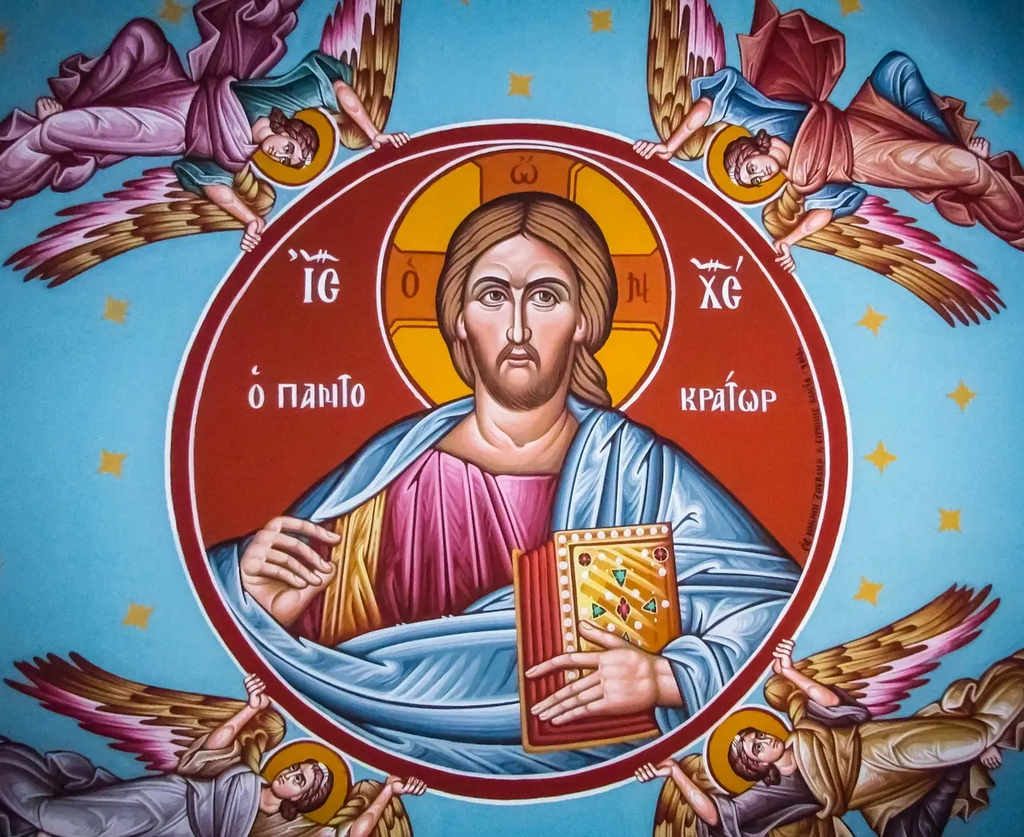
💡 Key Takeaways
- Identify common symbols of love in religious art (such as sacred heart, embracing figures, and gestures of compassion) and what each one represents (divine, spiritual, or human love).
- Explain how depictions of couples and intimate scenes convey themes of unity, charity, sacrifice, and mutual care across faith traditions.
- Explore how date-night-inspired imagery is used to teach moral lessons about devotion, fidelity, and compassionate love.
- Compare iconographic motifs across cultures to spot recurring symbols and distinctive differences in representing love.
- Analyze how composition and metaphor in religious art connect love with spirituality, community, and everyday ethical life.
❓ Frequently Asked Questions
What is iconography in religious art?
Iconography is the use of symbols and motifs to convey spiritual meanings (divine, sacred, or moral themes) beyond the literal image.
What symbols are commonly used to represent love in religious art?
Sacred hearts, embracing figures, and gestures of compassion are typical motifs that symbolize love, charity, and unity.
How do these depictions convey charity, sacrifice, or unity?
By showing acts of giving, self-offering, or harmonious pairing that emphasize love’s ethical and communal aspects.
How can you tell the difference between divine love and human love in art?
Divine love is often shown with sacred motifs (hearts, halos, angels) and universal themes; human love appears as relational scenes and acts of care.
Why might couples or date-night scenes appear in religious art?
They symbolize unity and partnership, illustrating how love aligns with spiritual values like mercy, fidelity, and mutual respect.