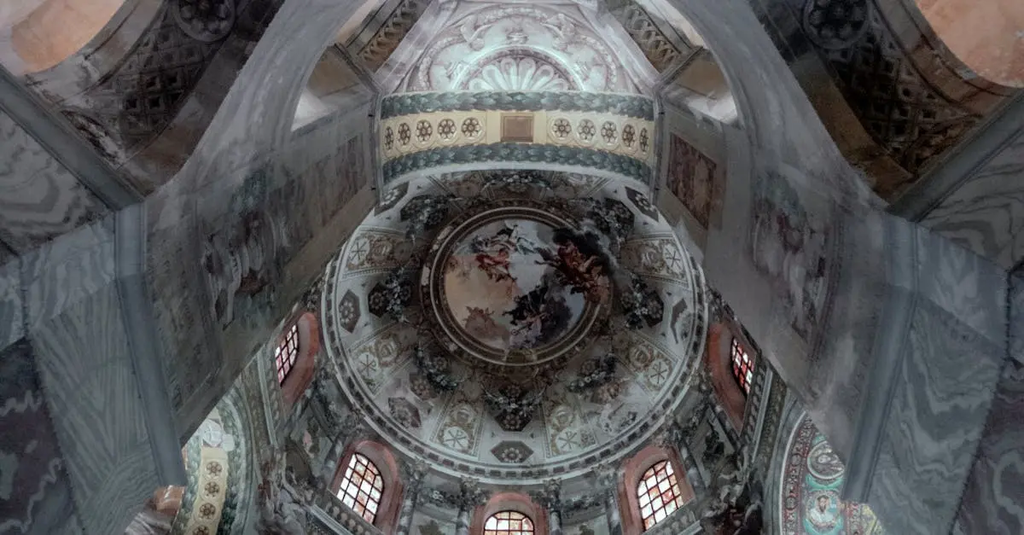
Iconology, as developed by Erwin Panofsky, is the study of visual imagery’s deeper meanings, focusing on the cultural, historical, and symbolic context behind art. Semiotics in art history examines how artworks function as systems of signs, analyzing how meaning is constructed and communicated through symbols, motifs, and stylistic choices. Together, these approaches help interpret art beyond surface appearance, revealing underlying social, philosophical, and ideological messages within artistic movements.
Iconology (Panofsky) and Semiotics
Iconology, as developed by Erwin Panofsky, is the study of visual imagery’s deeper meanings, focusing on the cultural, historical, and symbolic context behind art. Semiotics in art history examines how artworks function as systems of signs, analyzing how meaning is constructed and communicated through symbols, motifs, and stylistic choices. Together, these approaches help interpret art beyond surface appearance, revealing underlying social, philosophical, and ideological messages within artistic movements.

💡 Key Takeaways
- Grasp Panofsky's three-tier model (pre-iconographic, iconographic, iconological) and how it structures interpretation.
- Understand the relationship between iconology and semiotics to analyze signs, codes, and conventions in images.
- Apply Panofsky's method to uncover latent meanings beyond the literal depiction.
- Explore how historical context and culture shape symbols and visual meaning in artworks.
❓ Frequently Asked Questions
What is Panofsky's iconology in art history?
Iconology is a method for interpreting artwork by situating its imagery within its historical and cultural context to reveal deeper, symbolic meanings beyond the literal depiction.
What are the three levels of interpretation in Panofsky's method?
Pre-iconographic (literal subject matter), iconographic (recognized motifs and conventions), and iconological (underlying cultural-historical meaning).
What is semiotics in relation to art?
Semiotics studies signs and sign systems; in art, it analyzes how images function as signs and convey meaning through codes, conventions, and cultural associations.
What are the basic sign types in semiotics relevant to visual art?
Icon (resembles its object), index (causal or physical connection), and symbol (meaning is grounded in social convention).
How can you use both iconology and semiotics to analyze a painting?
Apply Panofsky's levels to identify surface content, motifs, and deeper meanings, then use semiotic analysis to explain how the identified signs convey culturally situated messages.