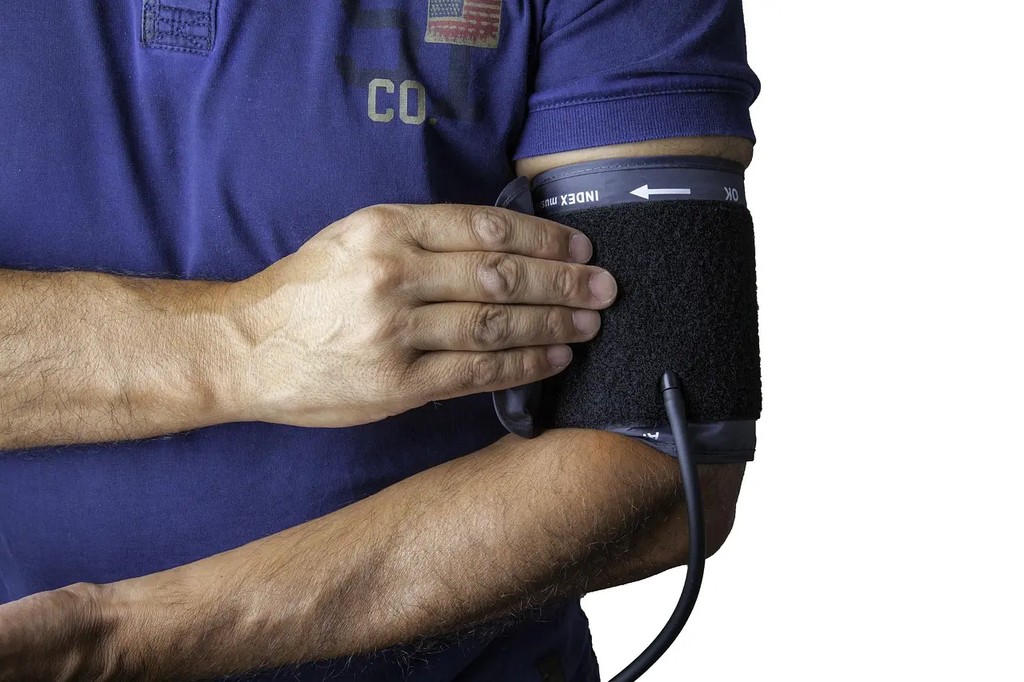
ICU & Critical Care Basics refer to the foundational knowledge and skills required to manage critically ill patients in an Intensive Care Unit. This includes understanding vital organ support, monitoring, ventilator management, fluid and electrolyte balance, infection control, and emergency interventions. It also involves recognizing life-threatening conditions, interpreting diagnostic results, and coordinating multidisciplinary care to stabilize and treat patients with severe or rapidly deteriorating health conditions.
ICU & Critical Care Basics
ICU & Critical Care Basics refer to the foundational knowledge and skills required to manage critically ill patients in an Intensive Care Unit. This includes understanding vital organ support, monitoring, ventilator management, fluid and electrolyte balance, infection control, and emergency interventions. It also involves recognizing life-threatening conditions, interpreting diagnostic results, and coordinating multidisciplinary care to stabilize and treat patients with severe or rapidly deteriorating health conditions.

💡 Key Takeaways
- Identify key ICU monitoring parameters and what they indicate about organ function.
- Describe core ICU organ support concepts (ventilation, circulation, renal support).
- Explain basic ventilator management: common modes, initial settings, and weaning readiness.
- Understand fluid and electrolyte balance and common disturbances in critical illness.
- Recognize essential infection control practices in the ICU to prevent hospital-acquired infections.
❓ Frequently Asked Questions
What is the ICU and how does critical care differ from general hospital care?
The ICU provides continuous monitoring and advanced life-support for patients with life-threatening conditions, with dedicated staff and rapid interventions to support failing organs.
What monitoring and equipment are commonly used in ICU care?
Common monitoring includes continuous vital signs, arterial and central venous lines, urine output tracking, regular labs, imaging, and alarm systems to detect deterioration early.
What are the basics of ventilator management in critical care?
Ventilation supports breathing; clinicians set mode, tidal volume (often about 6 mL/kg predicted body weight), FiO2, and PEEP, monitor for lung protection, and perform spontaneous breathing trials to assess readiness to wean.
How is fluid and electrolyte balance maintained in the ICU?
Care involves tracking input/output, adjusting IV fluids and diuretics, correcting electrolyte abnormalities (Na, K, Ca, Mg), and managing acid-base status to support organ function.
What infection control practices are essential in ICU settings?
Key practices include hand hygiene, sterile technique for invasive devices, care bundles for lines and ventilators, minimizing device use, and prudent antibiotic stewardship.