"Identifying Animal Tracks (Survival Stories)" refers to the crucial skill of recognizing and interpreting footprints and signs left by animals in the wild. This knowledge can help individuals track potential food sources, avoid dangerous predators, and understand animal behavior. In survival situations, identifying animal tracks often features in stories where people rely on their observation skills to navigate unfamiliar terrain, find water, or secure safety, highlighting the importance of awareness and adaptation in nature.
Identifying Animal Tracks
"Identifying Animal Tracks (Survival Stories)" refers to the crucial skill of recognizing and interpreting footprints and signs left by animals in the wild. This knowledge can help individuals track potential food sources, avoid dangerous predators, and understand animal behavior. In survival situations, identifying animal tracks often features in stories where people rely on their observation skills to navigate unfamiliar terrain, find water, or secure safety, highlighting the importance of awareness and adaptation in nature.
💡 Key Takeaways
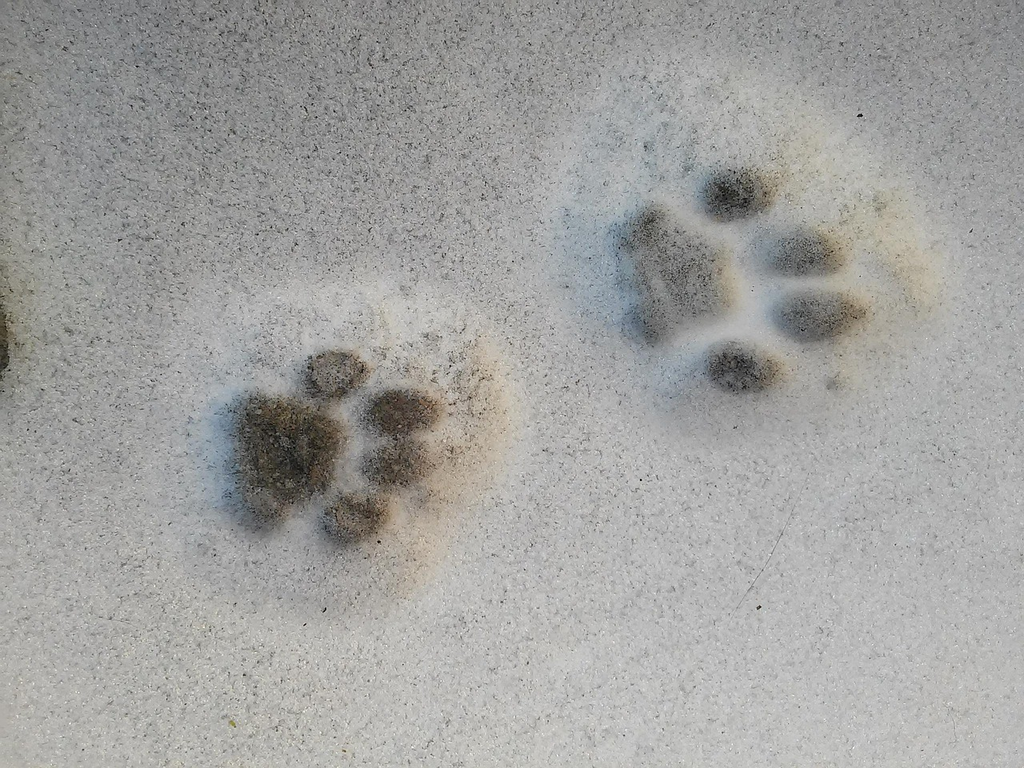
- Recognize track shapes and features (toe count, claw marks, central pads) to identify the animal.
- Assess track size, stride, and gait to estimate species or activity level.
- Use contextual clues such as substrate, direction of travel, and nearby signs to confirm an ID.
- Practice with local field guides and note seasonal or weather-related changes that affect track appearance.
❓ Frequently Asked Questions
What are the most important features to examine in animal tracks?
Look at the number of toes, presence or absence of claws, the shape and size of toe pads, and the overall track outline to help identify the animal.
How can you tell a deer track from a dog track?
Deer tracks show two toe impressions from a cloven hoof with no claw marks; dog tracks have four toes around a central pad and may show claw marks. Hind/front print spacing can also differ with gait.
What can track patterns tell you about how the animal moved?
Walking shows hind prints directly behind and to the side of front prints; trotting places hind prints ahead of the front prints; running/galloping creates longer strides and more diagonal, staggered placements.
What should you do if tracks are unclear due to mud or snow?
Take measurements, photograph from multiple angles, note the substrate, and compare with field guides or nearby signs to help identify the animal.