"Identifying Constellations" in the context of "Space Quest: Explore the Planets and Stars" refers to the process of recognizing and naming specific patterns of stars in the night sky. These patterns, called constellations, have been used for navigation, storytelling, and scientific study throughout history. By learning to identify constellations, participants can better understand the structure of the universe, connect with ancient myths, and enhance their stargazing experiences.
Identifying Constellations+50
"Identifying Constellations" in the context of "Space Quest: Explore the Planets and Stars" refers to the process of recognizing and naming specific patterns of stars in the night sky. These patterns, called constellations, have been used for navigation, storytelling, and scientific study throughout history. By learning to identify constellations, participants can better understand the structure of the universe, connect with ancient myths, and enhance their stargazing experiences.
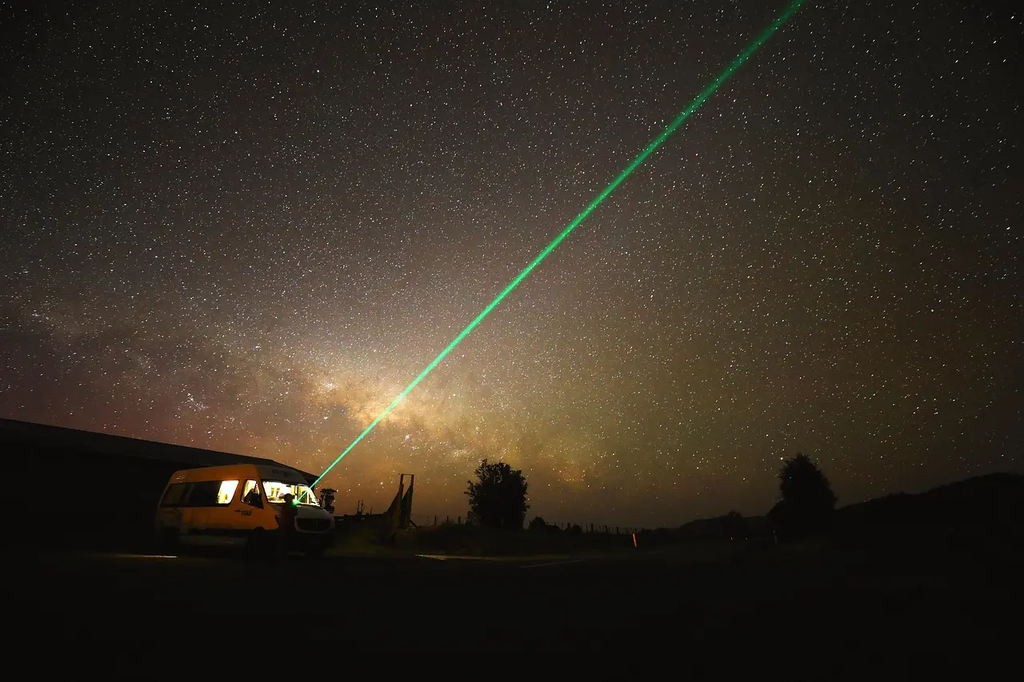
💡 Key Takeaways
- Identify major constellations by recognizable star patterns (e.g., Orion, Ursa Major, Cassiopeia, Cygnus).
- Use seasonal sky maps and your latitude to know which constellations are visible tonight.
- Distinguish between official constellations and common asterisms, and understand their boundaries.
- Learn quick navigation tips, such as using Orion's belt or the Big Dipper's pointer stars to locate other stars.
❓ Frequently Asked Questions
What is a constellation?
A named pattern of stars visible in the sky; officially defined by the International Astronomical Union and used for navigation, calendars, and storytelling.
How can you identify constellations in the night sky?
Start with easy targets and use a star map or app: Orion in winter skies or Ursa Major (the Big Dipper). Use the two bright 'pointer' stars in the Big Dipper to locate Polaris, then match the shape to a chart.
What is an asterism and how does it relate to constellations?
An asterism is a recognizable pattern of stars that may lie within one constellation (e.g., Orion's Belt) or span multiple stars; it helps you find the larger constellation.
Which constellations are beginner-friendly and when are they visible?
Orion is a classic starting point in winter evenings for many northern observers; Ursa Major (the Big Dipper) is easy to spot and often visible year-round; Cassiopeia (the W) is high in the north and easy to recognize.