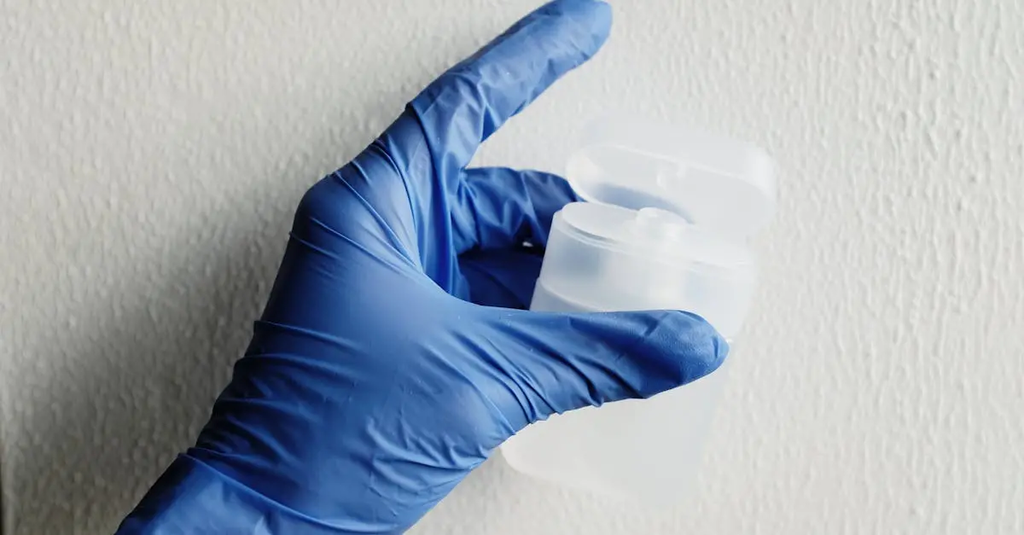
Early identification of urinary retention, urinary tract infections (UTIs), and incontinence in post-pregnancy care is crucial for a mother’s recovery and well-being. Prompt recognition helps prevent complications such as kidney infections, bladder damage, or long-term incontinence. Monitoring symptoms like difficulty urinating, frequent urges, pain, or leakage enables timely intervention, ensuring effective treatment and improved quality of life for new mothers during the postpartum period.
Identifying urinary retention, UTIs, and incontinence early
Early identification of urinary retention, urinary tract infections (UTIs), and incontinence in post-pregnancy care is crucial for a mother’s recovery and well-being. Prompt recognition helps prevent complications such as kidney infections, bladder damage, or long-term incontinence. Monitoring symptoms like difficulty urinating, frequent urges, pain, or leakage enables timely intervention, ensuring effective treatment and improved quality of life for new mothers during the postpartum period.
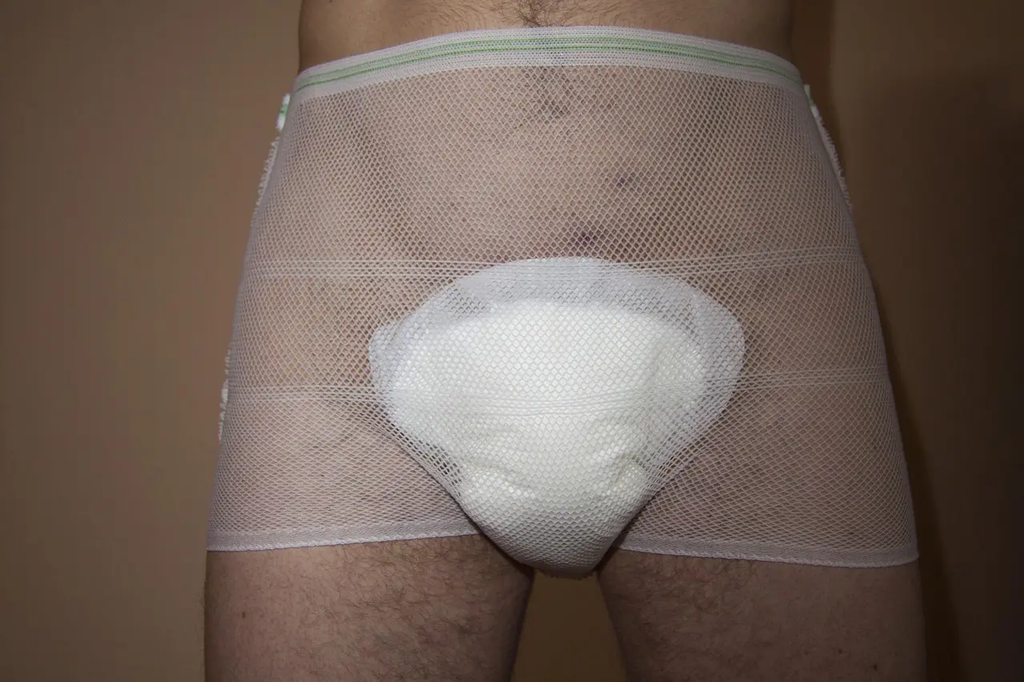
💡 Key Takeaways
- Identify early signs of urinary retention, such as difficulty starting urination, a weak or interrupted stream, or a feeling of incomplete bladder emptying.
- Spot early urinary tract infection symptoms like burning with urination, increased frequency or urgency, and cloudy or strong-smelling urine.
- Understand the main types of incontinence (urge, stress, overflow) and the early cues that leakage may be occurring.
- Know when to seek medical care for persistent or alarming symptoms, and learn simple prevention tips such as staying hydrated, practicing good hygiene, and doing pelvic floor exercises.
❓ Frequently Asked Questions
What is urinary retention, and what early signs might indicate it?
Urinary retention is the difficulty or inability to fully empty the bladder. Early signs include a weak or dribbling urine stream, straining to urinate, a feeling of incomplete emptying, or needing to urinate often with little urine produced. Seek evaluation if these persist.
What are common early signs of a urinary tract infection (UTI)?
Burning or pain when urinating, a frequent urge to urinate, cloudy or strong-smelling urine, and lower abdominal or pelvic discomfort. Fever or back/side pain may indicate a kidney infection; seek care if symptoms worsen or don’t improve in a day or two.
What are the main types of urinary incontinence, and how might they present early?
Stress incontinence leaks with coughing, sneezing, or physical effort; urge incontinence involves a sudden, strong urge with leakage; mixed incontinence combines both. Keeping a bladder diary can help identify patterns and triggers.
How can you tell UTIs, retention, and incontinence apart based on symptoms?
UTIs usually involve infection signs like burning and frequent urination; retention focuses on difficulty emptying or a weak stream; incontinence is mainly leakage rather than trouble starting to urinate. A clinician can test urine and perform exams if unsure.
When should you seek medical care for urinary symptoms?
Seek care if symptoms are severe, persistent beyond a day or two, or if you have fever, back pain, blood in urine, vomiting, or an inability to urinate. In older adults, new confusion or weakness with urinary symptoms also warrants evaluation.