Identity & Access Management (IAM) is a framework of policies, technologies, and processes that ensures the right individuals have appropriate access to technology resources within an organization. It involves managing digital identities, authenticating users, and controlling their access to systems and data. IAM enhances security by preventing unauthorized access, supports regulatory compliance, and streamlines user provisioning and de-provisioning, thereby reducing risks associated with identity theft and data breaches.
Identity & Access Management
Identity & Access Management (IAM) is a framework of policies, technologies, and processes that ensures the right individuals have appropriate access to technology resources within an organization. It involves managing digital identities, authenticating users, and controlling their access to systems and data. IAM enhances security by preventing unauthorized access, supports regulatory compliance, and streamlines user provisioning and de-provisioning, thereby reducing risks associated with identity theft and data breaches.
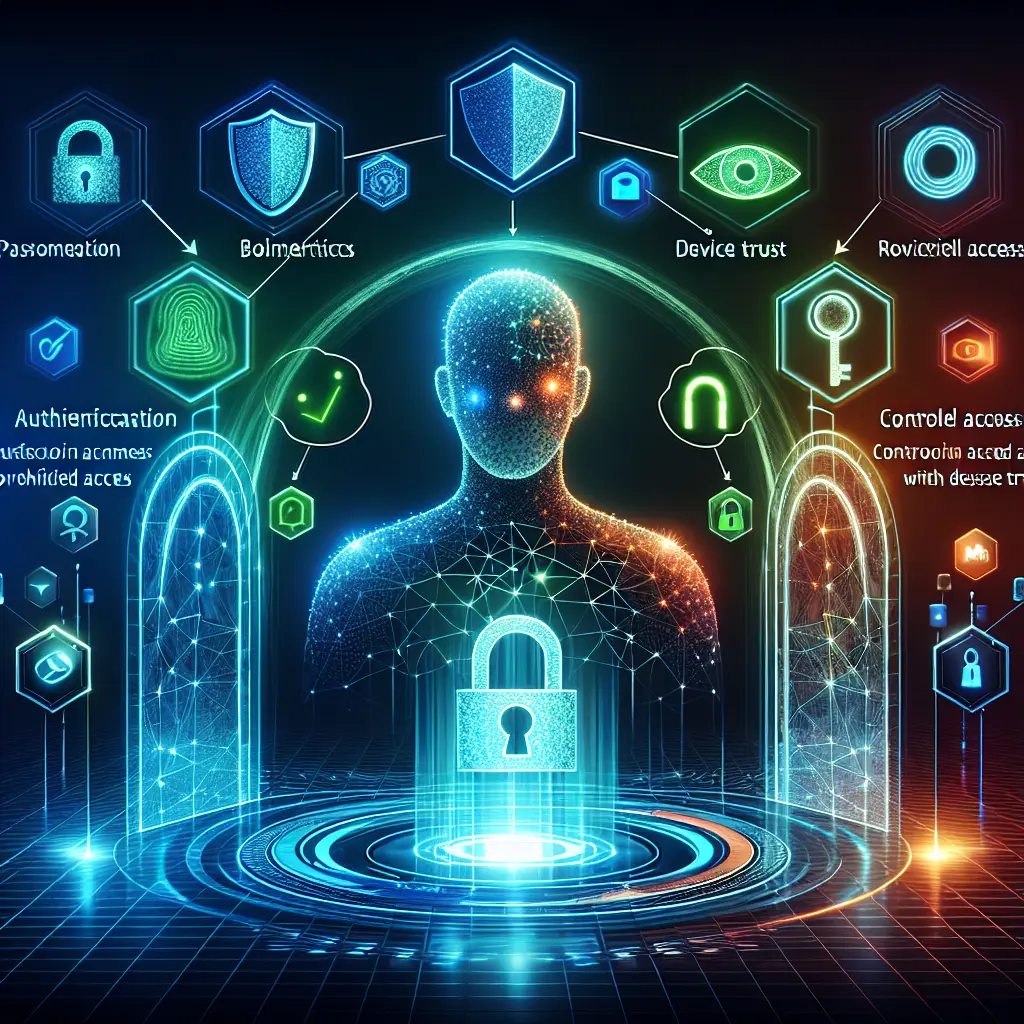
💡 Key Takeaways
- Define IAM and its core components: digital identities, authentication, authorization, and access provisioning.
- Compare authentication methods (passwords, multi-factor authentication, hardware tokens) and how MFA strengthens security.
- Explain access control models (RBAC and ABAC) and apply the principle of least privilege in practice.
- Identify common IAM technologies and standards (SAML, OAuth 2.0, OpenID Connect) and their roles in identity workflows.
- Describe identity lifecycle management (onboarding, provisioning, deprovisioning) and why auditing and compliance matter.
❓ Frequently Asked Questions
What is Identity and Access Management (IAM)?
IAM is a framework of policies, technologies, and processes that ensures the right individuals have appropriate access to technology resources by managing digital identities, authenticating users, and controlling access.
What are the core functions of IAM?
Core IAM functions include identity management, authentication, authorization, and access control across systems.
What is the difference between authentication and authorization?
Authentication verifies who a user is; authorization determines what resources they may access after identity is confirmed.
What is multi-factor authentication (MFA) and why is it important?
MFA uses two or more verification factors (something you know, have, or are) to access a resource, increasing security beyond passwords.