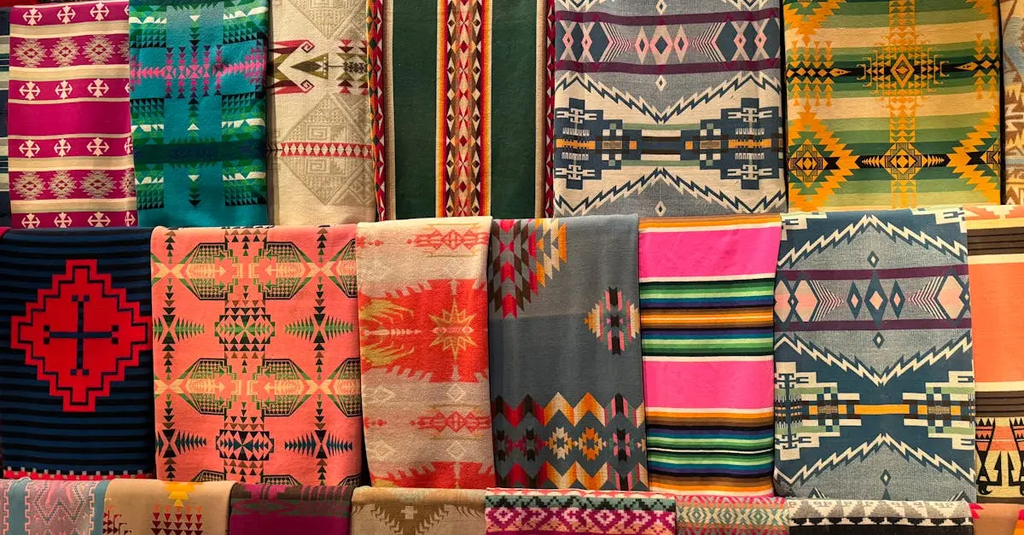
"Identity, Race, and Diaspora in Art" examines how artists express personal and collective identities shaped by race, migration, and cultural displacement. This theme explores visual narratives of heritage, belonging, and hybridity, highlighting how art challenges stereotypes and reclaims marginalized histories. Through various movements and mediums, artists address the complexities of diaspora, fostering dialogue about inclusion, social justice, and the evolving nature of cultural identity in a globalized world.
Identity, Race, and Diaspora in Art
"Identity, Race, and Diaspora in Art" examines how artists express personal and collective identities shaped by race, migration, and cultural displacement. This theme explores visual narratives of heritage, belonging, and hybridity, highlighting how art challenges stereotypes and reclaims marginalized histories. Through various movements and mediums, artists address the complexities of diaspora, fostering dialogue about inclusion, social justice, and the evolving nature of cultural identity in a globalized world.

💡 Key Takeaways
- Explore how identity, race, and diaspora are expressed through visual language in art.
- Identify symbolic motifs and materials that artists from diasporic backgrounds use to convey belonging and displacement.
- Analyze the impact of migration and lineage on artistic choices and storytelling.
- Examine how audiences interpret race and identity in different art forms and contexts.
❓ Frequently Asked Questions
What does diaspora mean in art?
Diaspora in art refers to communities living outside their ancestral lands; it highlights displacement, memory, exchange, and hybrid identities through artists’ work.
How can race and identity shape an artwork's meaning?
Race and identity influence subject matter, symbolism, and how audiences read a piece. Consider the artist’s background, historical context, and intended messages.
What does 'identity' mean in this quiz context?
Identity refers to characteristics like ethnicity, nationality, gender, or culture that artists express or that viewers perceive, helping explain choices in subject matter and perspective.
What are hybridity and diasporic aesthetics in art?
Hybridity is the blending of cultural influences and styles; diasporic aesthetics examine cross-cultural references, fusion techniques, and themes of belonging and memory.