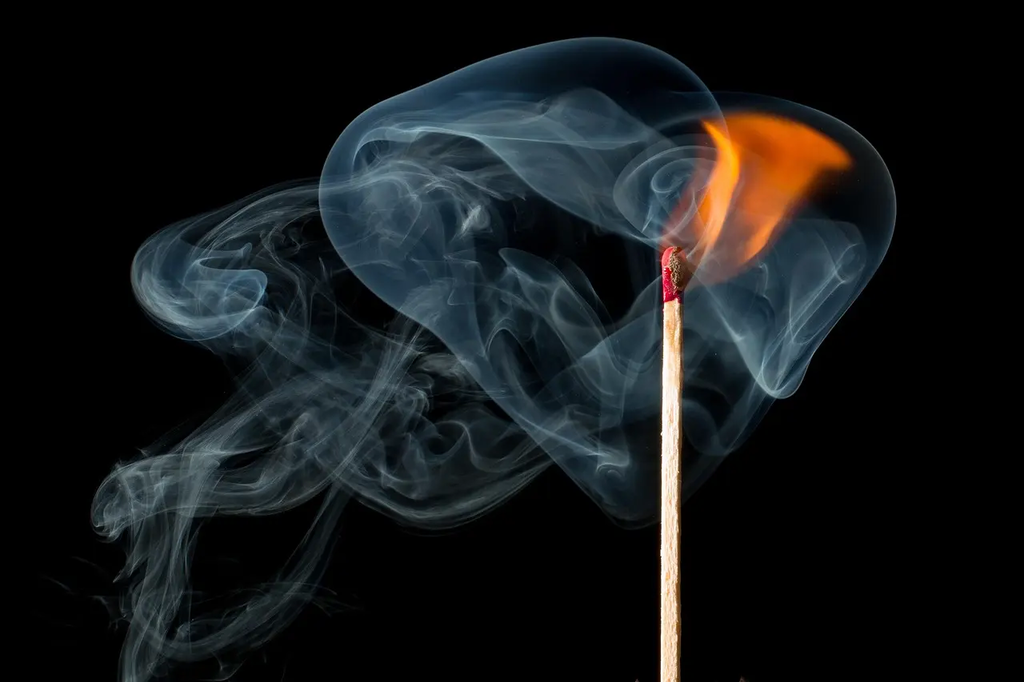
Ignition, flame spread, and heat release rate are key concepts in fire science and materials engineering. Ignition refers to the point at which a material begins to burn. Flame spread describes how quickly flames move across a material’s surface. Heat release rate measures the energy emitted as heat during combustion. Together, these factors determine a material’s flammability, influencing fire safety, risk assessment, and the development of fire-resistant materials.
Ignition, Flame Spread, and Heat Release Rate
Ignition, flame spread, and heat release rate are key concepts in fire science and materials engineering. Ignition refers to the point at which a material begins to burn. Flame spread describes how quickly flames move across a material’s surface. Heat release rate measures the energy emitted as heat during combustion. Together, these factors determine a material’s flammability, influencing fire safety, risk assessment, and the development of fire-resistant materials.
💡 Key Takeaways
- Understand ignition: the basic conditions a flame needs to start (heat input, fuel, and oxygen).
- Learn how flame spread occurs on surfaces and through materials, and which properties (fuel load, thermal conductivity, geometry, and ventilation) affect its rate.
- Define heat release rate (HRR) and explain why it is a key metric for fire growth and hazard assessment.
- Identify the main factors that influence ignition, flame spread, and HRR, including fuel properties, oxygen availability, and heat transfer modes (conduction, convection, and radiation).
❓ Frequently Asked Questions
What is ignition in fire science?
Ignition is the process by which a material reaches enough heat to start combustion, leading to a self-sustained flame. It can be sparked by a source or occur automatically at a high temperature.
What is flame spread and what factors influence it?
Flame spread is the rate at which a flame front moves across or along a surface. It depends on material properties (thermal conductivity, heat capacity, moisture, density), thickness and orientation, surface finish, ventilation, and insulating coatings.
What is heat release rate (HRR)?
HRR is the rate at which a fire releases energy during combustion, typically measured in kilowatts (kW) or megawatts (MW). It reflects how vigorously a fire is burning.
How are ignition, flame spread, and HRR related?
Ignition starts the flame; the speed of flame spread affects how quickly the fire grows and how much energy is released. A faster-spreading flame often leads to a higher peak HRR.