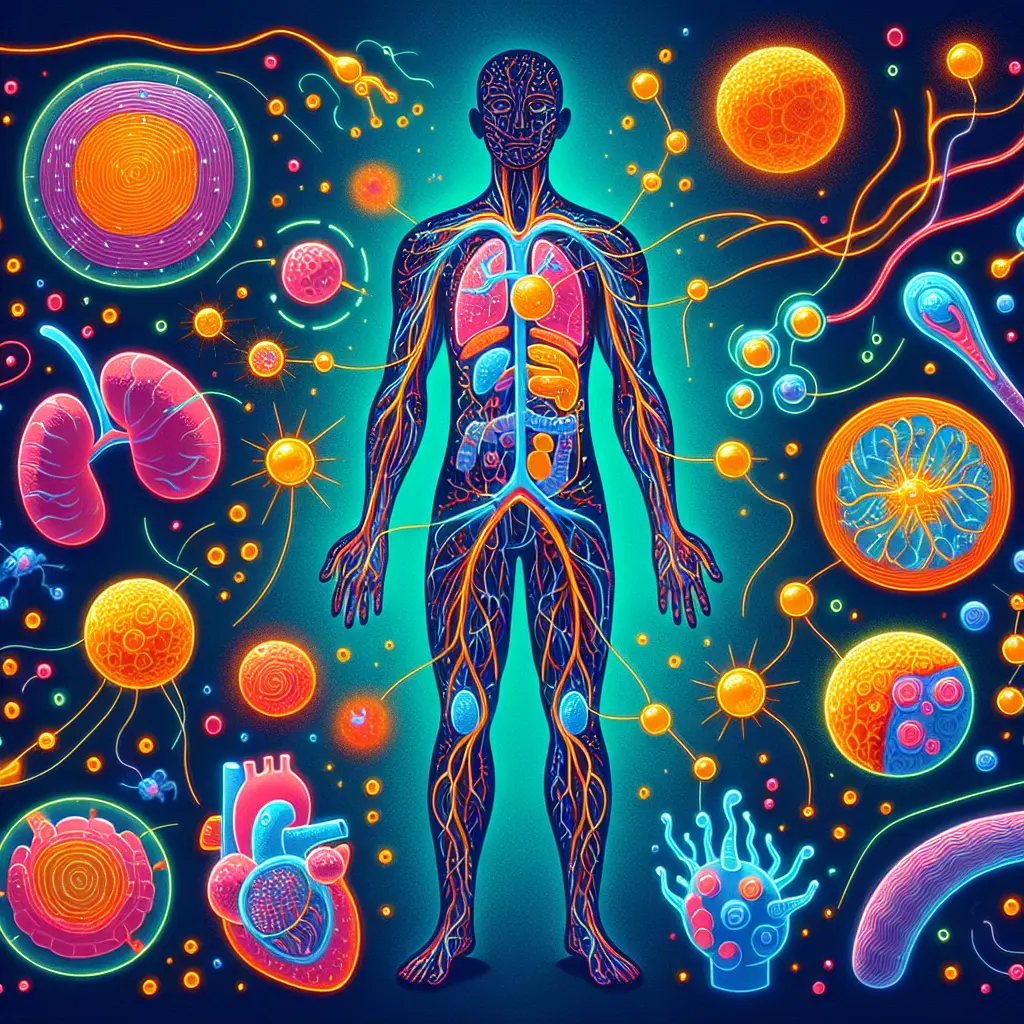
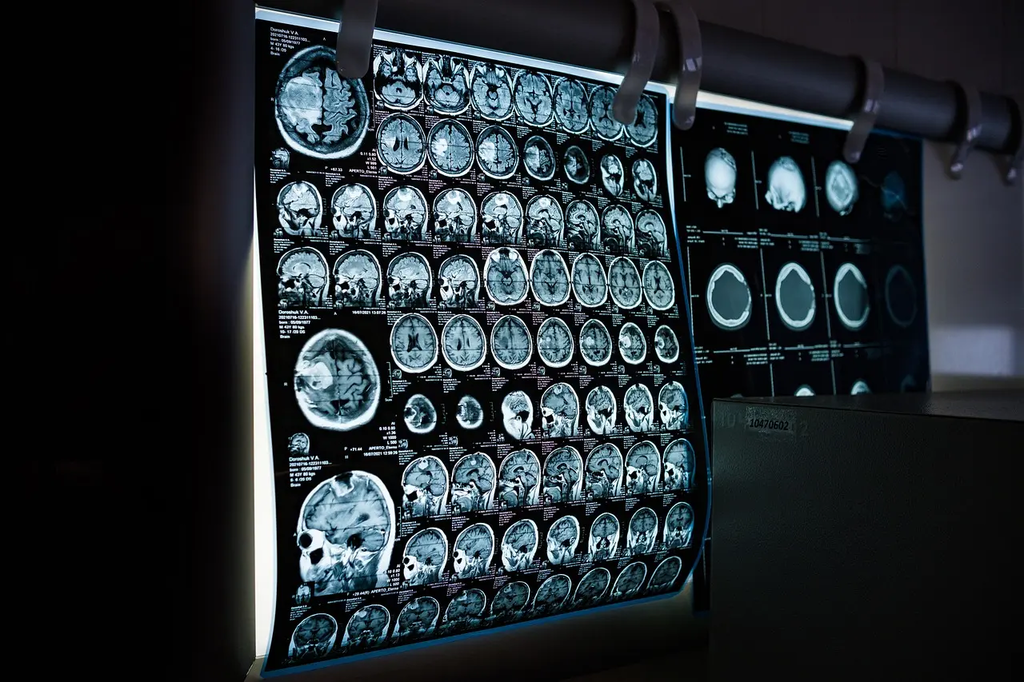
Imaging modalities overview refers to a summary of various techniques used to create visual representations of the interior of a body for clinical analysis and medical intervention. Common modalities include X-ray, computed tomography (CT), magnetic resonance imaging (MRI), ultrasound, and nuclear medicine. Each modality offers unique advantages and limitations in terms of resolution, safety, cost, and diagnostic capability, enabling healthcare professionals to select the most appropriate method for accurate diagnosis and treatment planning.
Imaging Modalities Overview
Imaging modalities overview refers to a summary of various techniques used to create visual representations of the interior of a body for clinical analysis and medical intervention. Common modalities include X-ray, computed tomography (CT), magnetic resonance imaging (MRI), ultrasound, and nuclear medicine. Each modality offers unique advantages and limitations in terms of resolution, safety, cost, and diagnostic capability, enabling healthcare professionals to select the most appropriate method for accurate diagnosis and treatment planning.
💡 Key Takeaways
- Identify the major imaging modalities (X-ray, CT, MRI, ultrasound, and nuclear medicine) and the basic principle each uses to create an image.
- Distinguish ionizing imaging (X-ray, CT, nuclear medicine) from non-ionizing imaging (MRI, ultrasound) and note the associated safety considerations.
- Match each modality to common clinical indications and summarize its key strengths and limitations for diagnosis and intervention.
- Explain how contrast agents and imaging protocols influence image quality, diagnostic value, and patient safety across modalities.
❓ Frequently Asked Questions
What is an imaging modality?
An imaging modality is a technique used to create visual representations of the inside of the body for diagnosis, treatment planning, or intervention.
What are the common imaging modalities mentioned, and what are they best for?
X-ray: quick, good for bones and chest; CT: detailed cross-sectional anatomy; MRI: excellent soft-tissue contrast without radiation; Ultrasound: real-time, safe and portable; Nuclear medicine: functional imaging using radiotracers to assess metabolism and blood flow.
How do X-ray and CT differ in principle and use?
X-ray provides a single 2D projection image; CT combines many X-ray angles to reconstruct cross-sectional, 3D-like images with higher detail but more radiation.
What is MRI and when is it preferred?
MRI uses strong magnetic fields and radio waves to image soft tissues with high contrast; it is preferred for brain, spinal cord, joints, and muscles and avoids ionizing radiation.
What is nuclear medicine imaging?
Nuclear medicine uses radioactive tracers to visualize body function (like metabolism or blood flow), often providing functional information and is commonly combined with PET or SPECT.