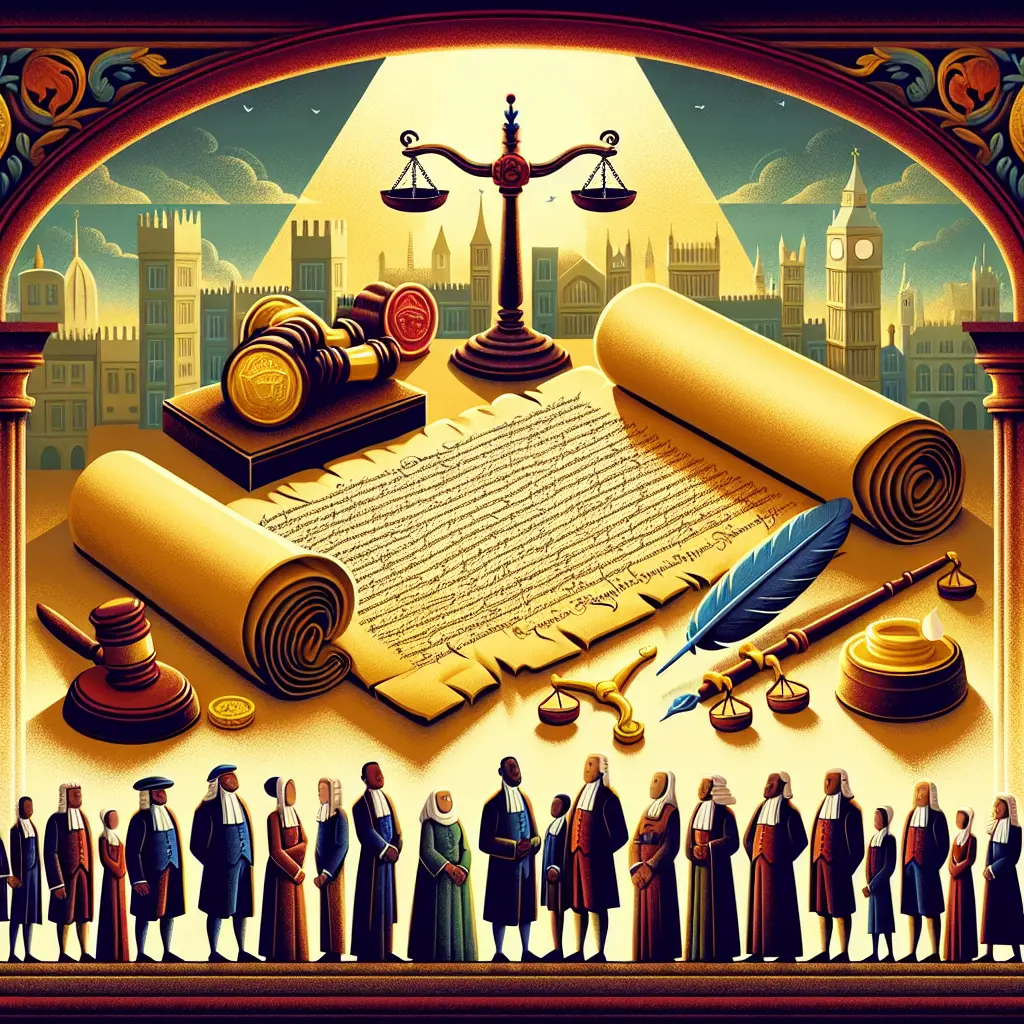
Immigration and Multicultural Britain refers to the significant movement of people from various countries to the United Kingdom, resulting in a society rich in diverse cultures, languages, and traditions. This diversity has shaped modern Britain, influencing its food, music, festivals, and social practices. While immigration has contributed to economic growth and cultural vibrancy, it has also sparked debates about integration, identity, and social cohesion within the country.
Immigration and Multicultural Britain
Immigration and Multicultural Britain refers to the significant movement of people from various countries to the United Kingdom, resulting in a society rich in diverse cultures, languages, and traditions. This diversity has shaped modern Britain, influencing its food, music, festivals, and social practices. While immigration has contributed to economic growth and cultural vibrancy, it has also sparked debates about integration, identity, and social cohesion within the country.
💡 Key Takeaways
- Recognize major waves of immigration to Britain and their historical contexts.
- See how immigration has shaped British culture, society, and the economy.
- Learn key terms and debates (multiculturalism, integration, asylum, visas) and related policies.
- Understand contributions and challenges of immigrant communities in daily life and public services.
❓ Frequently Asked Questions
What does immigration mean in the UK context?
Immigration is people moving to the UK from elsewhere to live, work, study, or join family, using legal routes and subject to UK rules.
What is multicultural Britain?
A society with many different cultures, languages, and traditions coexisting, especially in cities, with opportunities for exchange and inclusion.
What is the difference between an asylum seeker and a refugee?
An asylum seeker asks for protection from the UK; a refugee is someone whose claim has been recognised as needing protection.
What is the UK’s points-based immigration system?
A system that grants entry based on factors like skills, qualifications, and job offers, guiding who can come to work and study in the UK.