

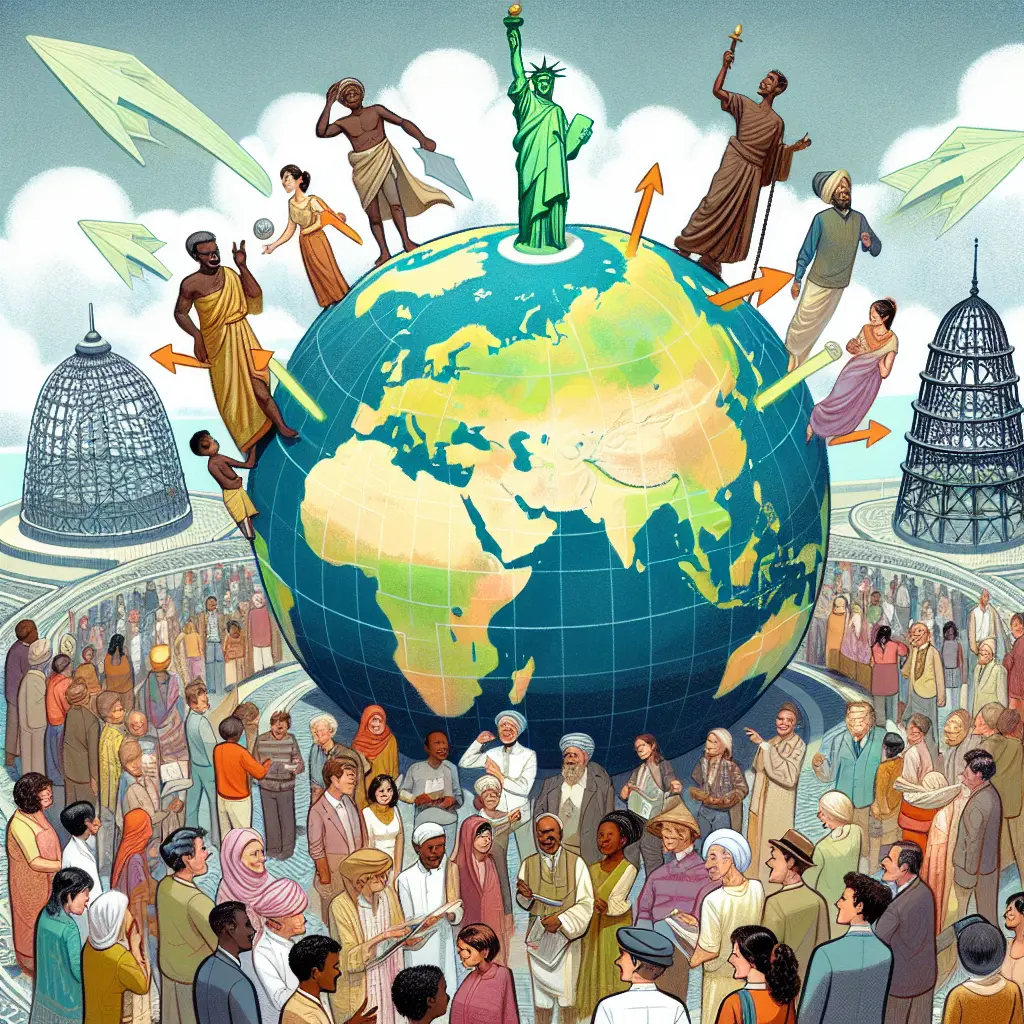
Immigration research refers to the study and analysis of various aspects related to the movement of people across borders, including patterns, trends, policies, and impacts on both sending and receiving countries. This research typically involves examining the economic, social, and political factors that drive immigration, as well as the challenges and opportunities it presents for individuals and societies.
Immigration research+50
Immigration research refers to the study and analysis of various aspects related to the movement of people across borders, including patterns, trends, policies, and impacts on both sending and receiving countries. This research typically involves examining the economic, social, and political factors that drive immigration, as well as the challenges and opportunities it presents for individuals and societies.
💡 Key Takeaways
- Identify major patterns and trends in international migration across borders.
- Understand how immigration policies influence flows, asylum processes, and integration outcomes.
- Analyze economic impacts on origin and destination countries, including labor markets, wages, and remittances.
- Examine social and political effects, such as demographic changes, public opinion, and policy debates.
❓ Frequently Asked Questions
What is immigration research?
The study and analysis of how people move across borders, including why, where they move, and the effects on sending and receiving countries.
What aspects does immigration research examine?
Migration patterns and trends, policies and regulations, and impacts on economies, societies, and politics in origin and destination countries.
What data and methods are commonly used?
Census data, surveys, immigration and labor statistics, and administrative records; methods include econometric analysis, comparative studies, and case analyses.
Why is immigration research useful for policy makers?
It informs policy design by assessing economic and social impacts, forecasting demographic changes, and guiding effective immigration, integration, and border policies.