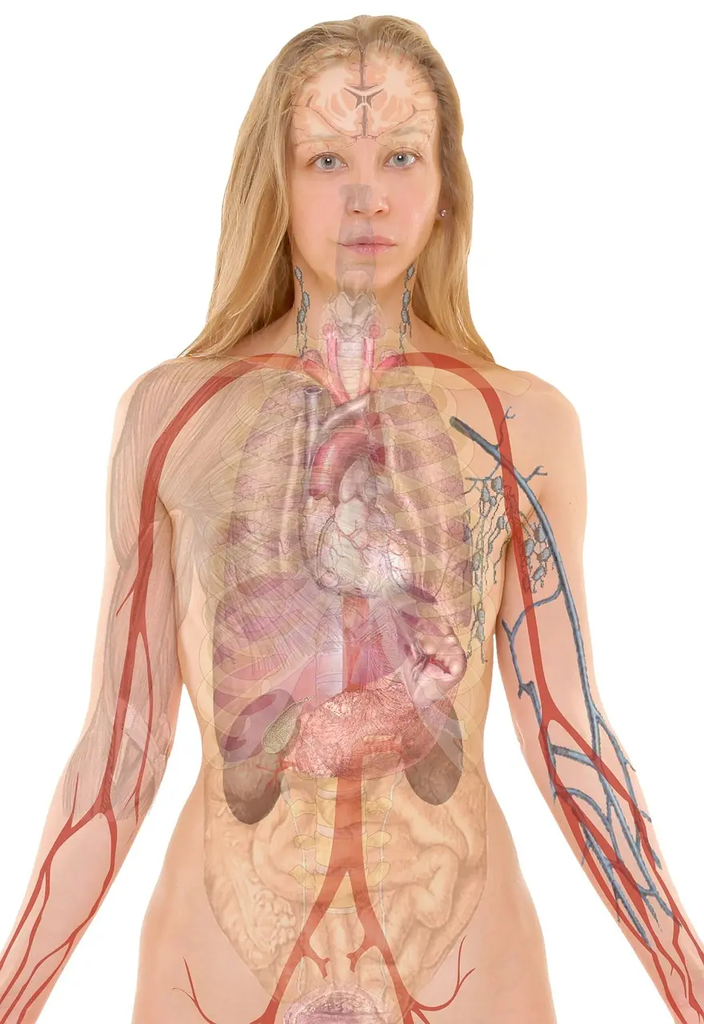
Immune response mechanisms are the processes by which the human body detects and defends against harmful invaders like bacteria, viruses, and other pathogens. This system includes innate immunity, which provides immediate, non-specific defense, and adaptive immunity, which targets specific threats with tailored responses. Key components include white blood cells, antibodies, and signaling molecules, all working together to identify, neutralize, and remember pathogens for faster future responses.
Immune Response Mechanisms
Immune response mechanisms are the processes by which the human body detects and defends against harmful invaders like bacteria, viruses, and other pathogens. This system includes innate immunity, which provides immediate, non-specific defense, and adaptive immunity, which targets specific threats with tailored responses. Key components include white blood cells, antibodies, and signaling molecules, all working together to identify, neutralize, and remember pathogens for faster future responses.

💡 Key Takeaways
- Understand the difference between innate and adaptive immunity and their roles in defending against pathogens.
- Learn how innate immunity detects pathogens via pattern recognition receptors and triggers inflammation.
- Explore how adaptive immunity uses B cells and T cells to produce targeted antibodies and immune memory.
- Recognize how immune responses are regulated to prevent overreaction and autoimmunity.
❓ Frequently Asked Questions
What are the two main branches of the immune system?
Innate immunity provides fast, nonspecific defense, while adaptive immunity is specific and develops over time through T and B cells.
What is an antigen?
An antigen is a molecule or part of a molecule that the immune system recognizes as foreign and can trigger an immune response.
What do antibodies do in the immune response?
Antibodies bind to specific antigens to neutralize pathogens and mark them for attack by other immune cells.
How do T cells and B cells differ in adaptive immunity?
B cells produce antibodies, while T cells do not; helper T cells coordinate responses and cytotoxic T cells kill infected cells.
What is immune memory and why is it important?
Memory B and T cells persist after an infection or vaccination, enabling a faster, stronger response if the same pathogen is encountered again.