The immune system is the body’s defense mechanism against harmful invaders like bacteria, viruses, and other pathogens. It consists of various organs, cells, and proteins that work together to identify and neutralize threats. Key components include white blood cells, antibodies, the lymphatic system, and organs such as the spleen and thymus. A healthy immune system recognizes and attacks foreign substances while distinguishing them from the body’s own healthy cells.
Immune System Basics
The immune system is the body’s defense mechanism against harmful invaders like bacteria, viruses, and other pathogens. It consists of various organs, cells, and proteins that work together to identify and neutralize threats. Key components include white blood cells, antibodies, the lymphatic system, and organs such as the spleen and thymus. A healthy immune system recognizes and attacks foreign substances while distinguishing them from the body’s own healthy cells.
💡 Key Takeaways
- Identify the main components and organs of the immune system, including white blood cells, lymph nodes, and the spleen.
- Explain the difference between innate immunity and adaptive immunity, with examples of each.
- Describe how antibodies and vaccines help the immune system recognize and combat pathogens.
- Understand common immune responses like inflammation and fever, and how immune cells coordinate defense.
❓ Frequently Asked Questions
What is the immune system?
A body-wide network of cells, tissues, and organs that defends against pathogens by recognizing non-self and mounting defenses.
What are the innate and adaptive parts of immunity, and how do they differ?
Innate immunity provides fast, general protection (barriers, neutrophils, macrophages). Adaptive immunity is slower but specific and creates memory via B and T cells.
What do antibodies do?
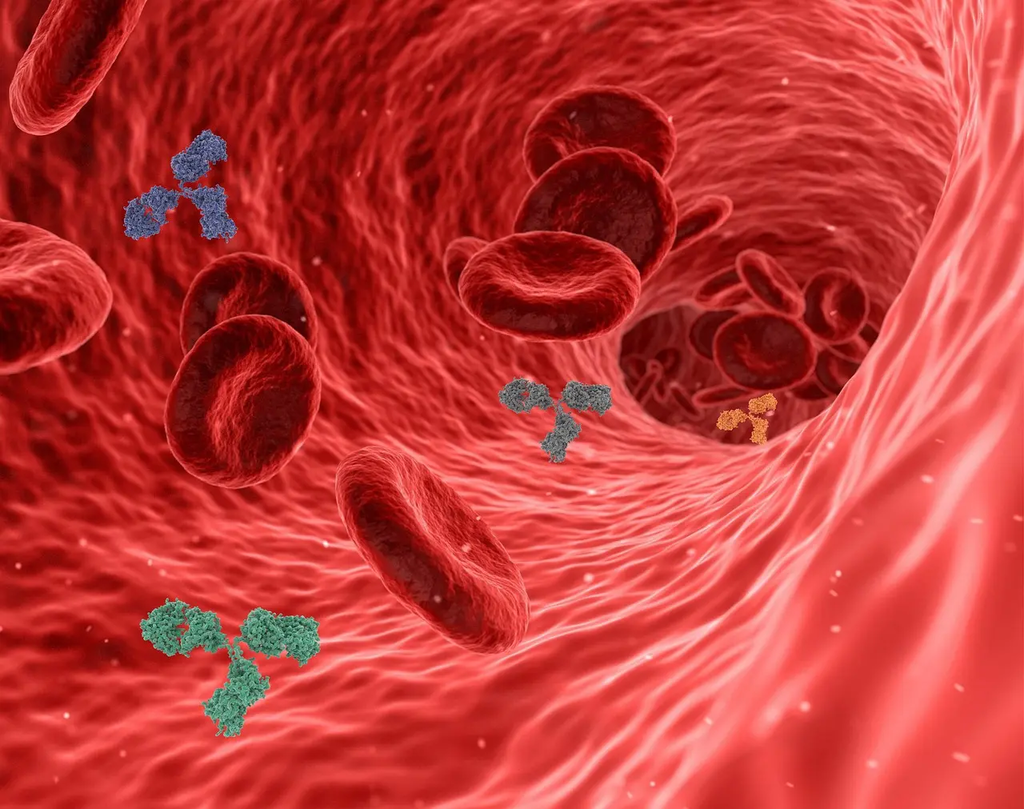
Antibodies, made by B cells, bind to specific pathogens or toxins to neutralize them and help other immune cells attack.
How do vaccines help the immune system?
Vaccines train adaptive immunity by exposing you to harmless parts of a pathogen, so you can respond quickly if real infection occurs.
How can you support a healthy immune system?
Get adequate sleep, eat a balanced diet, exercise, stay up to date with vaccines, practice good hygiene, and manage stress.