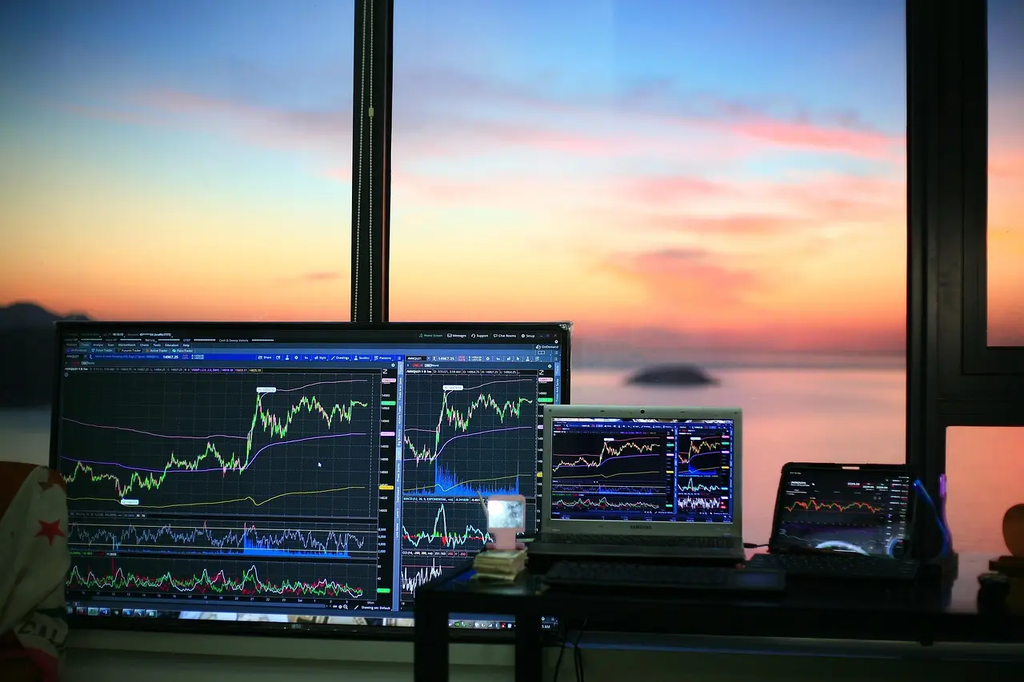
Geopolitical risks, such as international conflicts, trade tensions, or political instability, can significantly influence US stock markets. These risks often increase market volatility, as investors react to uncertainty about global economic conditions, supply chain disruptions, and potential changes in regulations or tariffs. Sectors like energy, defense, and technology may be particularly affected. Overall, heightened geopolitical tensions typically lead to cautious investor sentiment and can trigger sharp market fluctuations or declines.
Impact of Geopolitical Risks on Stocks
Geopolitical risks, such as international conflicts, trade tensions, or political instability, can significantly influence US stock markets. These risks often increase market volatility, as investors react to uncertainty about global economic conditions, supply chain disruptions, and potential changes in regulations or tariffs. Sectors like energy, defense, and technology may be particularly affected. Overall, heightened geopolitical tensions typically lead to cautious investor sentiment and can trigger sharp market fluctuations or declines.
💡 Key Takeaways
- Understand how geopolitical events influence stock prices and market sentiment
- Identify the channels through which geopolitical risk affects stocks, such as energy prices, sanctions, supply chains, and currency movements
- Learn how to spot volatility spikes and interpret market indicators in geopolitically sensitive periods
- Explore hedging and diversification strategies to manage geopolitical risk in investment portfolios
❓ Frequently Asked Questions
What are geopolitical risks and how can they affect stock prices?
Geopolitical risks are political events and tensions (wars, sanctions, elections, policy shifts) that create uncertainty. They can raise risk premiums, boost volatility, and alter earnings expectations as investors reassess risk and returns.
Through which channels do geopolitical events influence stock performance?
Channels include swings in commodity and energy prices, currency movements, trade restrictions, supply-chain disruptions, sanctions, and shifts in investor sentiment that affect valuations and capital flows.
How can investors assess geopolitical risk when evaluating stocks?
Monitor headlines, policy signals, and risk indices; analyze a stock’s regional exposure and sector sensitivity; use scenario analysis and track volatility and credit spreads for warning signs.
What are common strategies to mitigate geopolitical risk in a portfolio?
Diversify across regions and sectors, tilt toward domestically oriented or defensive stocks, hedge with options or futures, and maintain liquidity to adapt to changing conditions.