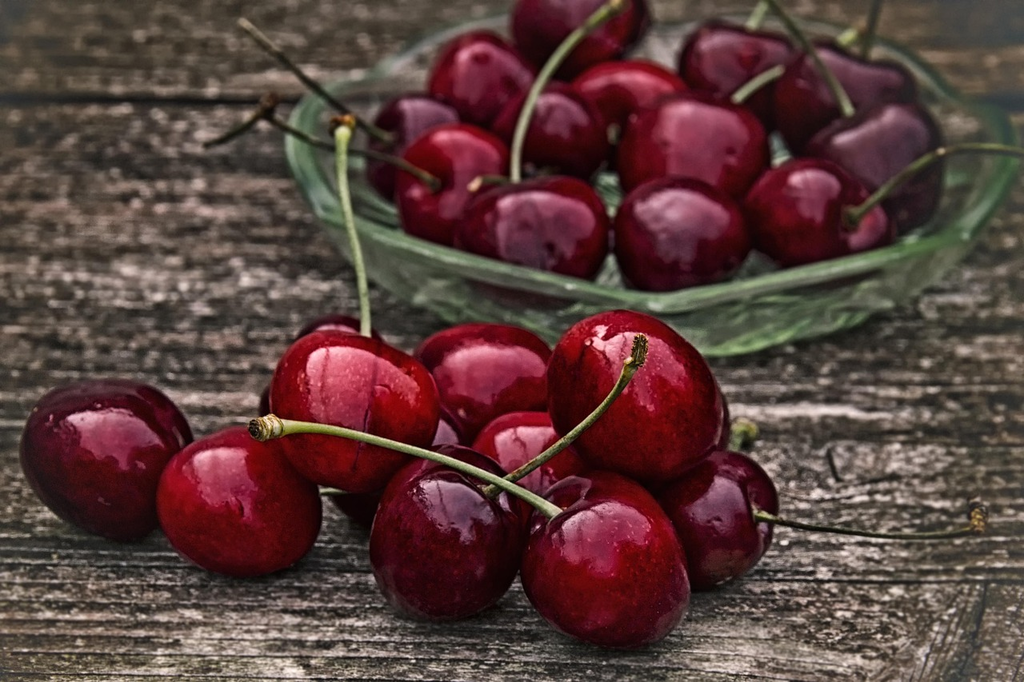
Globalization has significantly influenced orange markets by expanding international trade, increasing competition, and enhancing access to diverse markets. Producers can now export oranges and cherries to distant countries, leading to greater market reach and higher revenues. However, globalization also intensifies competition, pressing growers to improve quality and efficiency. Additionally, it exposes local markets to price fluctuations and global trends, affecting profitability and consumer choices in both developed and developing regions.
Impact of Globalization on Orange Markets
Globalization has significantly influenced orange markets by expanding international trade, increasing competition, and enhancing access to diverse markets. Producers can now export oranges and cherries to distant countries, leading to greater market reach and higher revenues. However, globalization also intensifies competition, pressing growers to improve quality and efficiency. Additionally, it exposes local markets to price fluctuations and global trends, affecting profitability and consumer choices in both developed and developing regions.
💡 Key Takeaways
- How globalization reshapes orange supply chains, prices, and seasonality.
- The role of trade policies (tariffs, quotas, and agreements) in orange imports and exports.
- How global competition affects smallholder farmers and producer incomes.
- Impact of climate change, pests, and logistics on orange quality, storage, and market access.
❓ Frequently Asked Questions
How does globalization affect orange prices and trade flows?
Globalization expands markets and competition, which can broaden demand for oranges across regions. It can also introduce price sensitivity to exchange rates and transport costs, potentially increasing volatility but enabling wider access.
What impact do trade policies and tariffs have on orange markets?
Tariffs and trade agreements change import/export costs and market access. Free trade can lower costs and open new markets, while tariffs or non-tariff barriers can raise prices or constrain supply.
How do global supply chains and logistics shape orange availability and quality?
Global sourcing enables year-round supply and specialization, but relies on efficient logistics and cold chains. Disruptions (weather, pests, port delays) can affect freshness, price, and reliability.
How do consumer preferences and standards in global markets influence orange producers?
Demand for organic, sustainably grown, or certified oranges can yield price premiums, but producers must meet phytosanitary, labeling, and certification requirements, which raise costs and can create entry barriers.