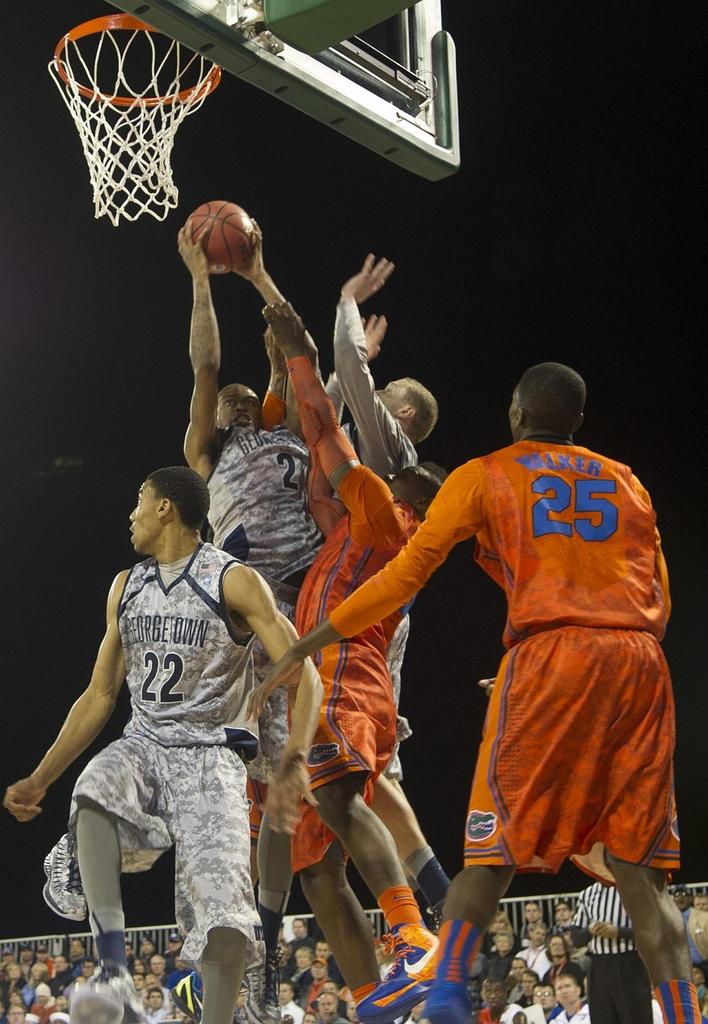
The introduction of NIL (Name, Image, Likeness) policies in college basketball has transformed the landscape by allowing athletes to profit from endorsements, sponsorships, and personal branding. This shift empowers players financially while in school, attracting top talent and increasing competition. However, it also presents challenges in maintaining team cohesion, managing disparities in earnings, and ensuring compliance with regulations. Overall, NIL policies have significantly altered recruitment, athlete motivation, and the business of college basketball.
Impact of NIL (Name, Image, Likeness) Policies
The introduction of NIL (Name, Image, Likeness) policies in college basketball has transformed the landscape by allowing athletes to profit from endorsements, sponsorships, and personal branding. This shift empowers players financially while in school, attracting top talent and increasing competition. However, it also presents challenges in maintaining team cohesion, managing disparities in earnings, and ensuring compliance with regulations. Overall, NIL policies have significantly altered recruitment, athlete motivation, and the business of college basketball.
💡 Key Takeaways
- Define NIL policies and why they exist in college sports.
- Describe how athletes can monetize their name, image, and likeness.
- Identify key compliance risks (contracts, school rules, agents, taxes).
- Understand NIL's impact on recruiting, branding, and amateurism.
❓ Frequently Asked Questions
What does NIL stand for and what does it mean for student-athletes?
NIL stands for Name, Image, and Likeness. It means student-athletes can profit from their personal brand through endorsements, social-media posts, appearances, autograph signings, and other legal activities while preserving amateur eligibility.
How have NIL policies changed in college sports?
Since around 2021, student-athletes in many states can monetize their NIL under state laws and school policies. They can sign deals, hire agents, and partner with sponsors. The NCAA does not set NIL terms; obligations come from schools, conferences, and state law.
What activities count as NIL monetization?
Endorsements, social-media promotions, autograph signings, appearances, camps, product launches, and digital content, as long as they comply with rules and don’t use school logos or gear without permission.
What restrictions and risks should athletes know about NIL?
Avoid pay-for-play tied to performance, don’t accept benefits that threaten amateur status, disclose deals to compliance, consider tax implications, and work with licensed advisors to ensure contracts respect school policies and laws.
How can NIL policies affect recruiting and teams?
Programs with strong NIL support or collectives may attract more talent, increasing competition and influencing recruiting. NIL also adds compliance responsibilities and can create disparities if not managed fairly.