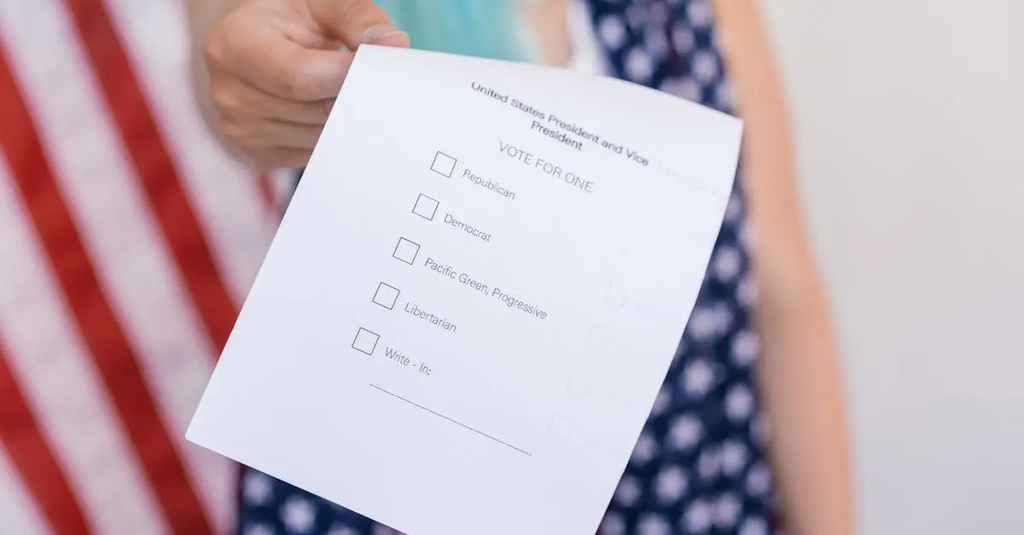
The impact of rule changes on nomination patterns refers to how modifications in regulations, eligibility criteria, or voting procedures can alter the way nominees are selected for awards, positions, or competitions. Such changes may influence who is considered, diversify the pool of candidates, or shift the balance of representation among groups. Over time, these adjustments can reshape traditional trends and introduce new dynamics into the nomination process.
Impact of Rule Changes on Nomination Patterns
The impact of rule changes on nomination patterns refers to how modifications in regulations, eligibility criteria, or voting procedures can alter the way nominees are selected for awards, positions, or competitions. Such changes may influence who is considered, diversify the pool of candidates, or shift the balance of representation among groups. Over time, these adjustments can reshape traditional trends and introduce new dynamics into the nomination process.
💡 Key Takeaways
- Explain how changes to nomination rules or voting procedures can shift who gets nominated.
- Identify how eligibility criteria changes can expand or restrict the candidate pool and affect diversity.
- Assess potential unintended consequences and trade-offs of rule changes in nominations.
- Describe data-driven ways to measure the impact of rule changes on nomination patterns (e.g., diversity, candidate pool size, and representativeness).
❓ Frequently Asked Questions
What is meant by nomination patterns in this context?
Nomination patterns refer to who becomes a nominee under a given rule set—the eligible pool, who can nominate, and how nominees are selected.
How can rule changes affect who gets nominated?
Changes to eligibility, nomination steps, or voting rules can expand or restrict who qualifies, thereby shifting the slate of nominees.
Can rule changes influence nomination diversity?
Yes. Broadening eligibility or lowering barriers can bring in candidates from different backgrounds, increasing the diversity of nominees.
What are common rule changes that impact nominations?
Examples include modifying eligibility criteria, altering nomination submission rules, changing voting procedures, and adjusting nomination windows or the number of nominees allowed.