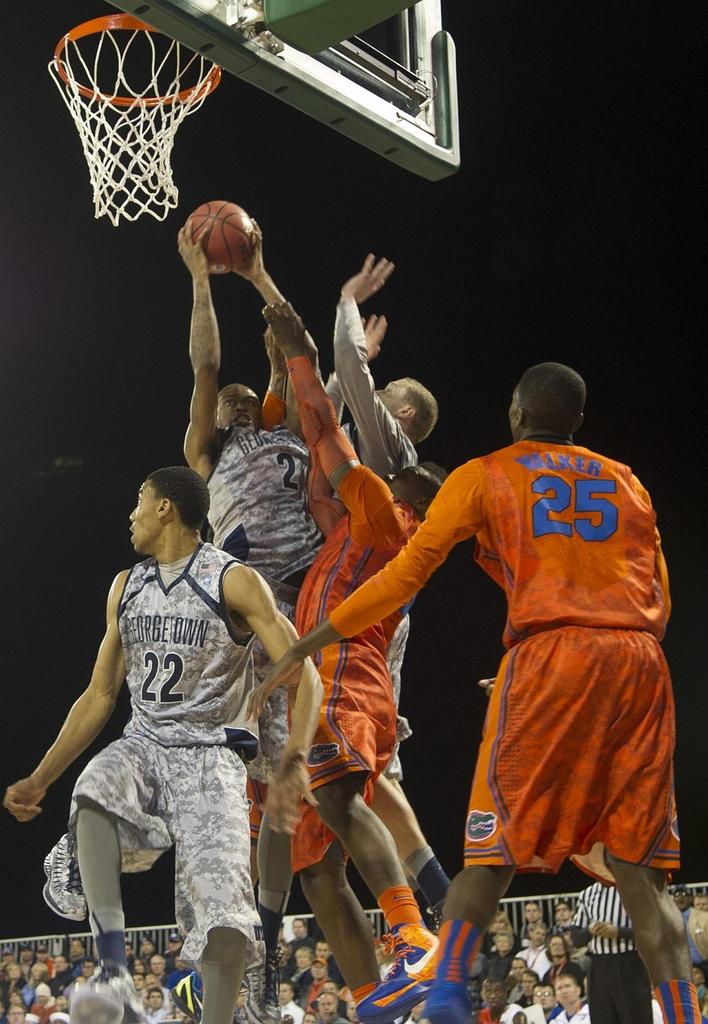
Social media has significantly transformed college basketball by enhancing player visibility, fan engagement, and recruitment processes. Platforms like Twitter and Instagram allow athletes to build personal brands, connect with supporters, and share highlights instantly. Coaches and recruiters use social media to scout talent and communicate with prospects. Additionally, social media amplifies game coverage, fosters real-time discussions, and can influence public perception, making it an essential tool in the modern college basketball landscape.
Impact of Social Media on College Basketball
Social media has significantly transformed college basketball by enhancing player visibility, fan engagement, and recruitment processes. Platforms like Twitter and Instagram allow athletes to build personal brands, connect with supporters, and share highlights instantly. Coaches and recruiters use social media to scout talent and communicate with prospects. Additionally, social media amplifies game coverage, fosters real-time discussions, and can influence public perception, making it an essential tool in the modern college basketball landscape.
💡 Key Takeaways
- Understand how social media shapes recruitment, fan engagement, and brand exposure in college basketball.
- Learn how players' and programs' online presence influences public perception and team dynamics.
- Explore policies, ethics, and NCAA guidelines surrounding athlete social media use.
- Analyze how teams leverage social media analytics to guide marketing, content strategy, and engagement.
❓ Frequently Asked Questions
How does social media influence recruiting in college basketball?
Programs and players use platforms to showcase highlights, facilities, and culture. Recruiters monitor profiles, gauge fit, and respond to outreach; authentic, consistent content is more effective than hype.
How can social media affect a team's image and dynamics?
Posts and interactions shape fan perception and locker-room morale. Positive engagement builds brand, while controversial or misleading content can harm a program and invite scrutiny.
What guidelines do student-athletes typically follow for social media use?
Schools and the NCAA emphasize respectful conduct, NIL compliance, and adherence to team policies. Think before posting, avoid sensitive content, and secure appropriate approvals for partnerships.
What are potential risks and benefits of social media in college basketball?
Benefits include broader visibility and fan engagement; risks include privacy concerns, misinformation, overexposure, cyberbullying, and possible recruiting violations if rules are breached.