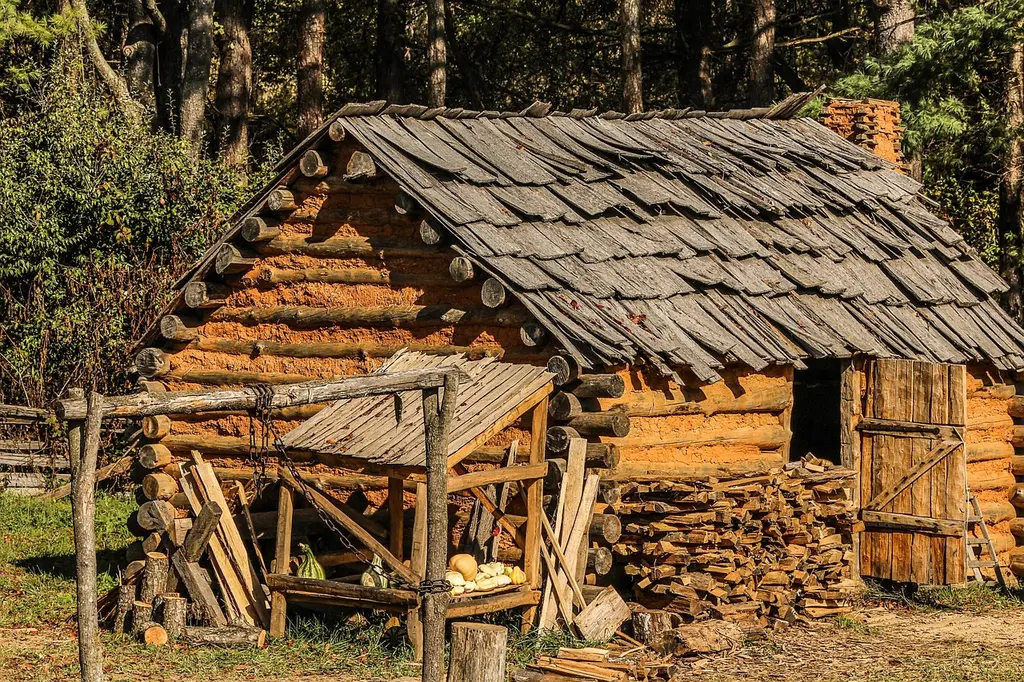
Improvised cooking methods refer to creative and resourceful ways people prepare food when conventional tools or facilities are unavailable, often in survival situations. These methods may include using open fires, heated stones, makeshift grills, or repurposed containers to cook meals. Survival stories frequently highlight such ingenuity, showcasing how individuals adapt to challenging environments by utilizing available resources to ensure safe and nourishing food, demonstrating resilience and adaptability under pressure.
Improvised Cooking Methods
Improvised cooking methods refer to creative and resourceful ways people prepare food when conventional tools or facilities are unavailable, often in survival situations. These methods may include using open fires, heated stones, makeshift grills, or repurposed containers to cook meals. Survival stories frequently highlight such ingenuity, showcasing how individuals adapt to challenging environments by utilizing available resources to ensure safe and nourishing food, demonstrating resilience and adaptability under pressure.
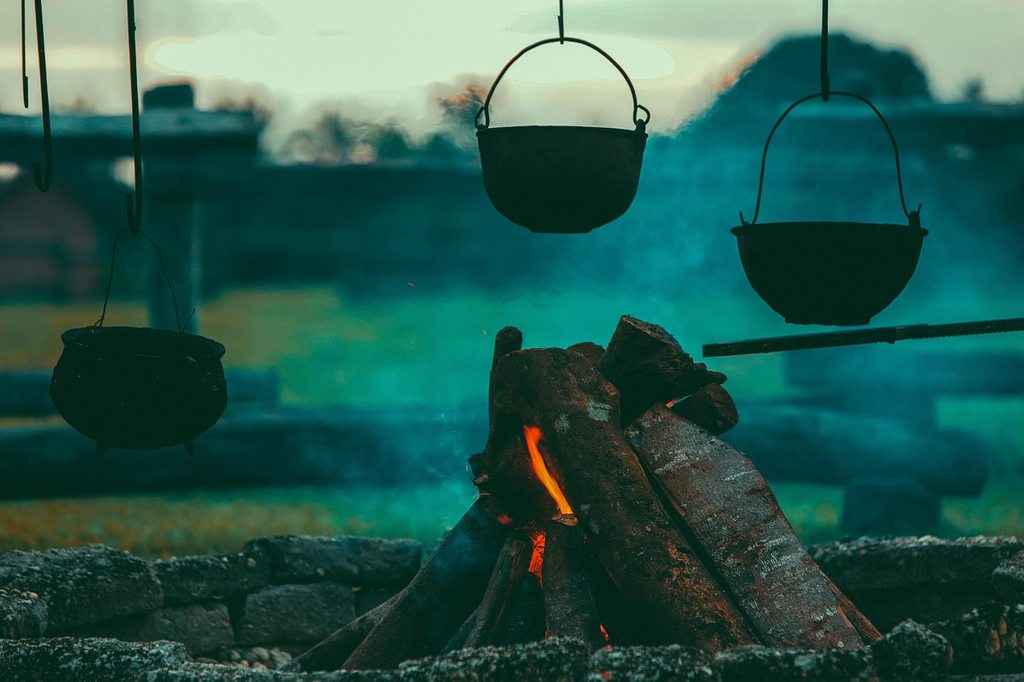
💡 Key Takeaways
- Identify practical improvised cooking techniques using everyday items and makeshift setups
- Practice safe handling, sanitation, and fire safety when using improvised tools
- Adapt recipes on the fly by substituting ingredients and relying on available equipment
- Understand heat management (dry-heat vs moist-heat) in improvised cooking to control texture and moisture
❓ Frequently Asked Questions
What does 'improvised cooking methods' mean?
Cooking with makeshift tools or setups when standard equipment isn’t available, using available heat sources and improvised cookware.
What are some common improvised tools or setups?
Campfire or stove, skillet, Dutch oven, foil packets, makeshift stoves from cans, and bricks or stones used as heat shields.
How can you control heat with improvised methods?
Regulate heat by adjusting fuel and distance, use lids, create a windbreak, and rotate cookware for even heating.
What safety tips should you follow?
Use stable supports and heat-safe surfaces, keep flammables away, wear oven mitts, have water or a fire extinguisher nearby, and avoid cross-contamination.
How can you tell when food is cooked without a thermometer?
Look for doneness cues: meat should be opaque with clear juices; vegetables should be tender; if unsure, cut to inspect.