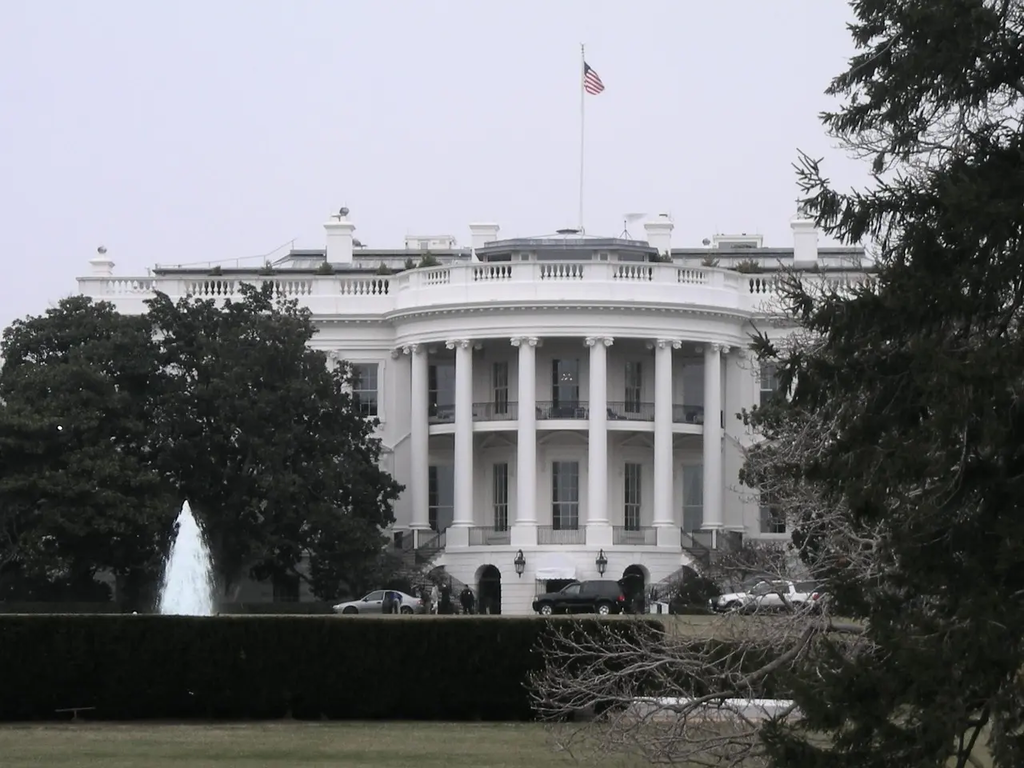
Inaugurations and oaths of office traditions mark the formal beginning of a public official’s term. These ceremonies often involve swearing an oath to uphold the constitution and faithfully execute duties. They symbolize the peaceful transfer of power, legitimacy, and commitment to public service. Rituals may include speeches, religious texts, and participation by dignitaries, reflecting the nation’s values and historical customs. Such events foster unity and reinforce democratic principles.
Inaugurations and Oaths of Office Traditions
Inaugurations and oaths of office traditions mark the formal beginning of a public official’s term. These ceremonies often involve swearing an oath to uphold the constitution and faithfully execute duties. They symbolize the peaceful transfer of power, legitimacy, and commitment to public service. Rituals may include speeches, religious texts, and participation by dignitaries, reflecting the nation’s values and historical customs. Such events foster unity and reinforce democratic principles.
💡 Key Takeaways
- The ceremony officially marks the start of a term and signals a peaceful transfer of power.
- The oath typically commits the official to uphold the constitution and faithfully execute duties.
- These traditions convey legitimacy, accountability, and a commitment to public service.
- Variations across offices and nations reflect different constitutional contexts and ceremonial practices.
❓ Frequently Asked Questions
What is the purpose of an oath of office?
A formal pledge by an official to uphold the constitution and faithfully perform the duties of the office.
What happens during an inauguration?
A ceremony marking the start of a term, often including the oath of office, speeches, and symbols of the transfer of power.
Why is the peaceful transfer of power important?
It signals constitutional order, legitimacy, and commitment to public service, regardless of election outcomes.
Who administers the oath of office?
A designated official, such as a judge or other authority, varies by country and office.