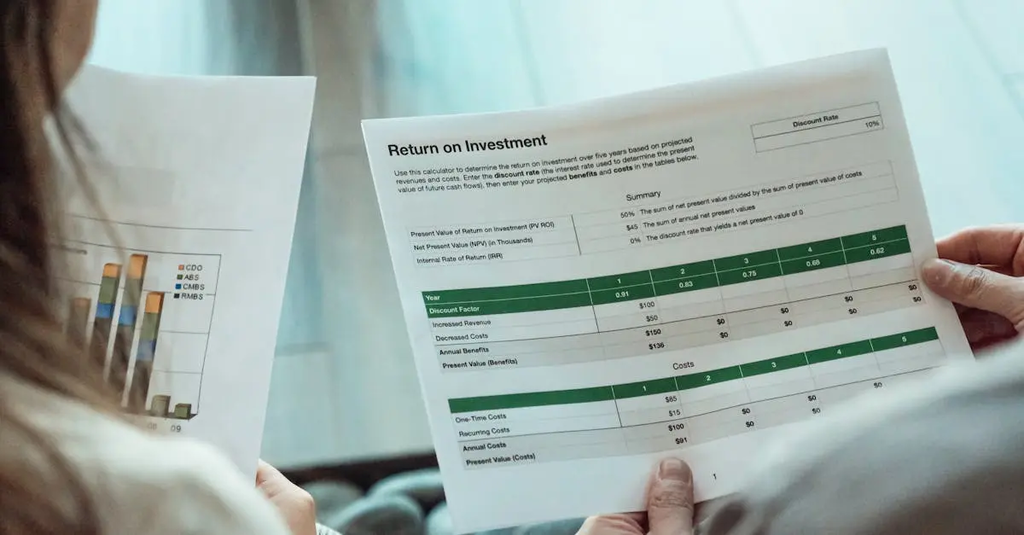
Income tax bands in the UK refer to the different levels of income at which varying rates of tax are applied, with higher earnings taxed at higher rates. National Insurance is a separate system of contributions deducted from earnings, funding state benefits such as the NHS and pensions. Both are collected from employees’ salaries, with thresholds and rates set by the government, affecting how much individuals take home after deductions.
Income tax bands and National Insurance (UK)
Income tax bands in the UK refer to the different levels of income at which varying rates of tax are applied, with higher earnings taxed at higher rates. National Insurance is a separate system of contributions deducted from earnings, funding state benefits such as the NHS and pensions. Both are collected from employees’ salaries, with thresholds and rates set by the government, affecting how much individuals take home after deductions.
💡 Key Takeaways
- Understand UK income tax bands and how different portions of your earnings are taxed at basic, higher, and additional rates.
- Learn how the personal allowance reduces your taxable income and where the tax bands apply as your income rises.
- Understand National Insurance contributions: who pays, how much is deducted, and what they fund (NHS, pensions, etc).
- See how income tax and National Insurance affect your take-home pay and how to estimate net earnings from gross salary.
❓ Frequently Asked Questions
What are UK income tax bands and how do they affect how much tax you pay?
UK income tax bands apply different tax rates to portions of your income. After your personal allowance, income within the basic rate band is taxed at 20%, the higher-rate band at 40%, and the additional-rate band at 45% (in most years). Thresholds change each tax year, so check the current limits.
What is the personal allowance?
The amount you can earn before you start paying income tax. If your income is at or below the allowance, you pay no income tax; the allowance can be reduced in some situations.
What is National Insurance and how is it different from income tax?
National Insurance is a separate deduction from earnings that funds state benefits such as the NHS and pensions. It has its own thresholds and rates and is not the same as income tax.
What do National Insurance contributions fund, and how are they charged?
NI contributions fund state benefits like the NHS and pensions. For most employees, NI is charged at 12% on earnings above the threshold up to the upper limit, and 2% on earnings above that limit; rates and thresholds can change each year.