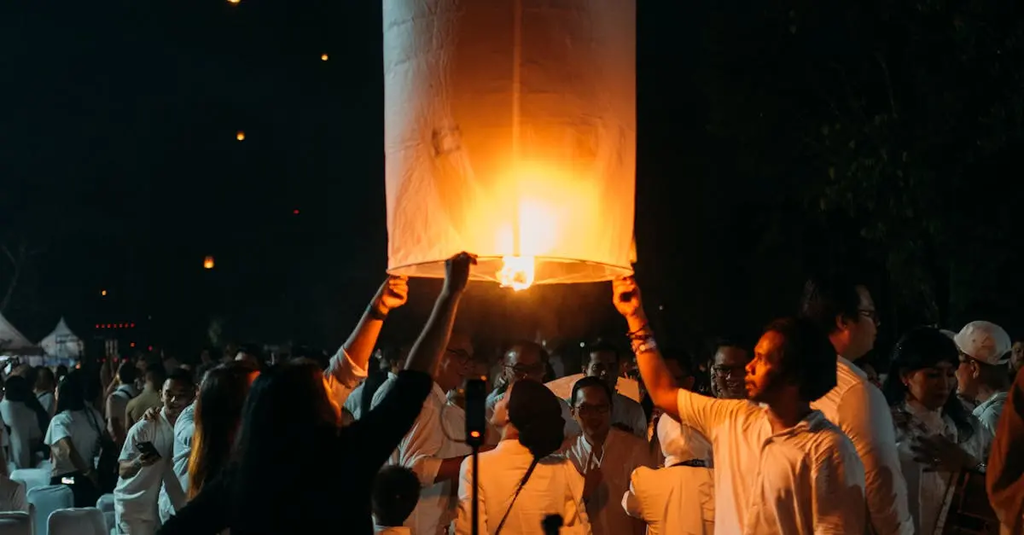
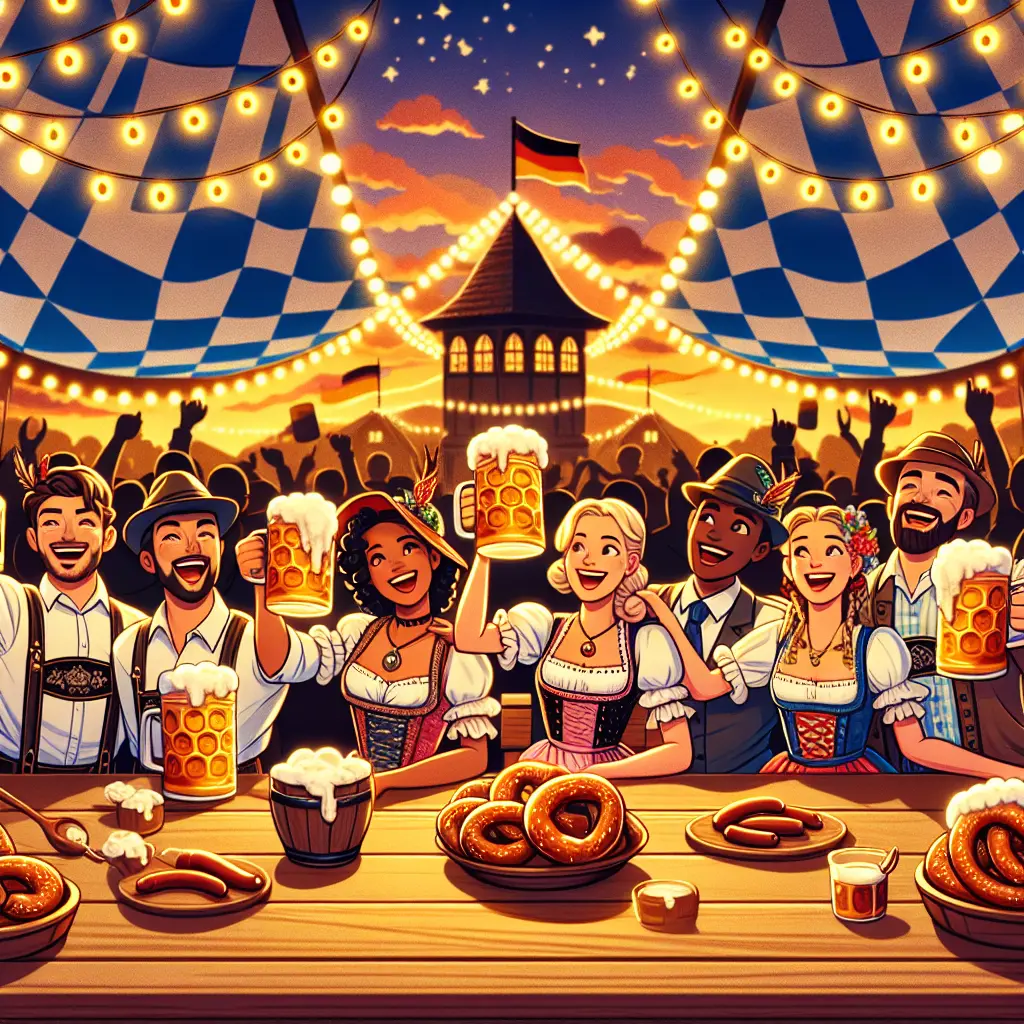
Independence Days & National Parades are significant events celebrated by countries to commemorate their freedom from colonial rule or the establishment of their nationhood. These occasions typically feature grand parades showcasing military strength, cultural performances, and displays of national pride. Citizens unite to honor their history, heroes, and achievements, often participating in public festivities, flag hoisting ceremonies, and patriotic songs. Such celebrations foster national unity and reinforce a shared sense of identity among the populace.
Independence Days & National Parades
Independence Days & National Parades are significant events celebrated by countries to commemorate their freedom from colonial rule or the establishment of their nationhood. These occasions typically feature grand parades showcasing military strength, cultural performances, and displays of national pride. Citizens unite to honor their history, heroes, and achievements, often participating in public festivities, flag hoisting ceremonies, and patriotic songs. Such celebrations foster national unity and reinforce a shared sense of identity among the populace.
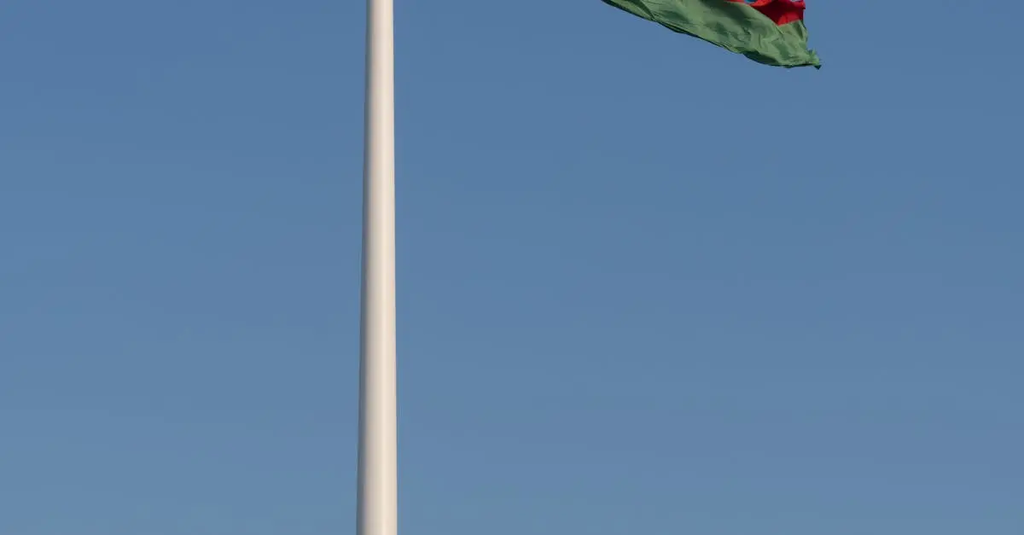
💡 Key Takeaways
- Understand the purpose and historical significance of independence days and national parades.
- Identify common elements of these celebrations, such as parades, cultural performances, and national symbols.
- Explain how such events express national identity, sovereignty, and unity.
- Compare how different countries commemorate freedom and nationhood through ceremonies, holidays, and public festivities.
- Recognize the roles of military displays, civilian participation, and civic pride in these events.
❓ Frequently Asked Questions
What is an Independence Day?
An official holiday that marks a country’s freedom from colonial rule or the birth of its nation, often celebrated with ceremonies, parades, and national symbols.
What is a national parade?
A formal celebration featuring marching units, military or civilian displays, floats, and cultural performances to showcase national pride.
What activities are typical during Independence Days and National Parades?
Ceremonies, flag-raising, speeches, parades, cultural performances, displays of national symbols and colors, and sometimes fireworks.
Why are these days important?
They commemorate freedom and nationhood, promote national unity, reflect on history, and celebrate the country’s identity and achievements.
Are Independence Days always official holidays?
Not always—some are public holidays, others are official observances or informal celebrations, varying by country.