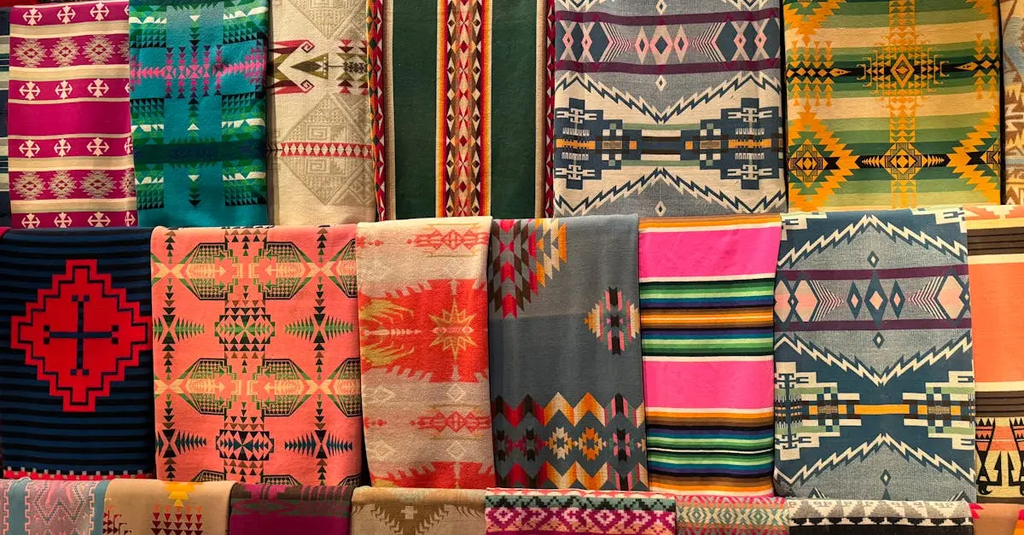
Indigenous Arts of the Americas encompasses the diverse artistic traditions created by Native peoples across North, Central, and South America before and after European contact. These arts include pottery, weaving, carving, painting, jewelry, and architecture, each reflecting unique cultural beliefs, social structures, and environments. Distinct regional styles and techniques emerged, such as Mesoamerican murals, Andean textiles, and Northwest Coast totem poles, illustrating deep spiritual connections and sophisticated craftsmanship throughout history.
Indigenous Arts of the Americas
Indigenous Arts of the Americas encompasses the diverse artistic traditions created by Native peoples across North, Central, and South America before and after European contact. These arts include pottery, weaving, carving, painting, jewelry, and architecture, each reflecting unique cultural beliefs, social structures, and environments. Distinct regional styles and techniques emerged, such as Mesoamerican murals, Andean textiles, and Northwest Coast totem poles, illustrating deep spiritual connections and sophisticated craftsmanship throughout history.
💡 Key Takeaways
- Recognize the diversity of Indigenous arts across the Americas and how region, materials, and techniques shape each tradition.
- See how Indigenous artworks encode stories, beliefs, and community values through symbols and functions.
- Identify common forms and materials (weaving, pottery, carving, beadwork, basketry) and how the environment influences them.
- Explore how contemporary Indigenous artists blend traditional methods with new ideas, showing resilience and evolving identities.
❓ Frequently Asked Questions
What does 'Indigenous arts of the Americas' refer to?
Art created by Indigenous peoples across North, Central, and South America, reflecting unique cultures, materials, and meanings—from ceremonial objects to everyday items.
What materials and techniques are commonly found in Indigenous American art?
Common materials include clay, fibers/textiles, wood, stone, metal, shells, beads, and feathers. Techniques include weaving, pottery, carving, beadwork, metalworking, and basketry.
What are some traditional art forms you might encounter?
Pottery, weaving and textiles, beadwork and quillwork, carved masks and totemic figures, metalwork, basketry, featherwork, sculpture, and rock art.
How does Indigenous art reflect culture and meaning?
Art often expresses beliefs, stories, lineage, and ceremonial roles, using symbols and materials tied to the community’s cosmology and daily life.