Indigenous ceremonies are traditional rituals practiced by native communities to honor their cultural heritage, spiritual beliefs, and connection to the land. These ceremonies often involve music, dance, storytelling, and sacred objects, serving to mark significant life events, seasonal changes, or communal gatherings. They foster a sense of identity, continuity, and respect for ancestors, while also reinforcing social bonds and transmitting cultural knowledge across generations.
Indigenous Ceremonies
Indigenous ceremonies are traditional rituals practiced by native communities to honor their cultural heritage, spiritual beliefs, and connection to the land. These ceremonies often involve music, dance, storytelling, and sacred objects, serving to mark significant life events, seasonal changes, or communal gatherings. They foster a sense of identity, continuity, and respect for ancestors, while also reinforcing social bonds and transmitting cultural knowledge across generations.
💡 Key Takeaways
- Understand how Indigenous ceremonies honor cultural heritage, spirituality, and connection to the land.
- Identify common ceremony elements such as music, dance, storytelling, and sacred objects.
- Explain how ceremonies mark significant life events and seasonal changes within Indigenous communities.
- Appreciate the diversity of Indigenous ceremonies worldwide and the importance of respectful, place-based context.
❓ Frequently Asked Questions
What are Indigenous ceremonies?
Indigenous ceremonies are traditional rituals practiced by native communities to honor cultural heritage, spiritual beliefs, and connection to the land. They often involve music, dance, storytelling, and sacred objects, and may mark life events or seasonal changes.
What purposes do these ceremonies serve?
They mark rites of passage, seasonal cycles, and harvests, and provide spaces for spiritual connection, community bonding, and the transmission of history, values, and knowledge to younger generations.
What activities are commonly part of Indigenous ceremonies?
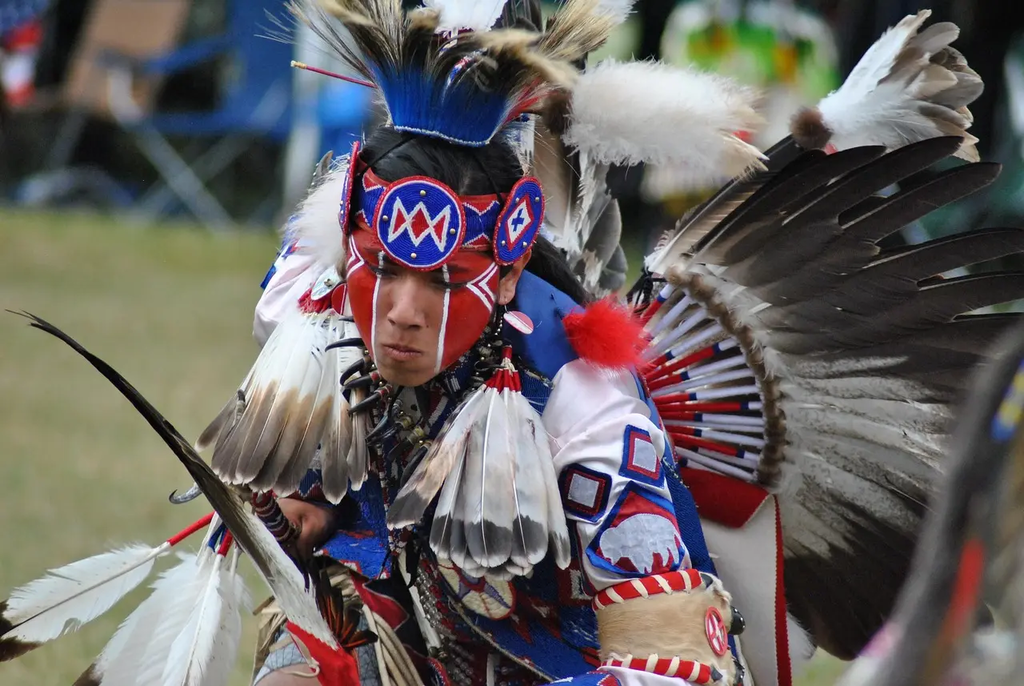
Common elements include music, dance, storytelling, prayers or offerings, and the use of regalia and sacred objects, all performed within the community.
How should people approach learning about Indigenous ceremonies respectfully?
Seek guidance from the communities or credible sources, follow cultural protocols, avoid misrepresentation or appropriation, and respect sacred elements that may be restricted to members of the community.