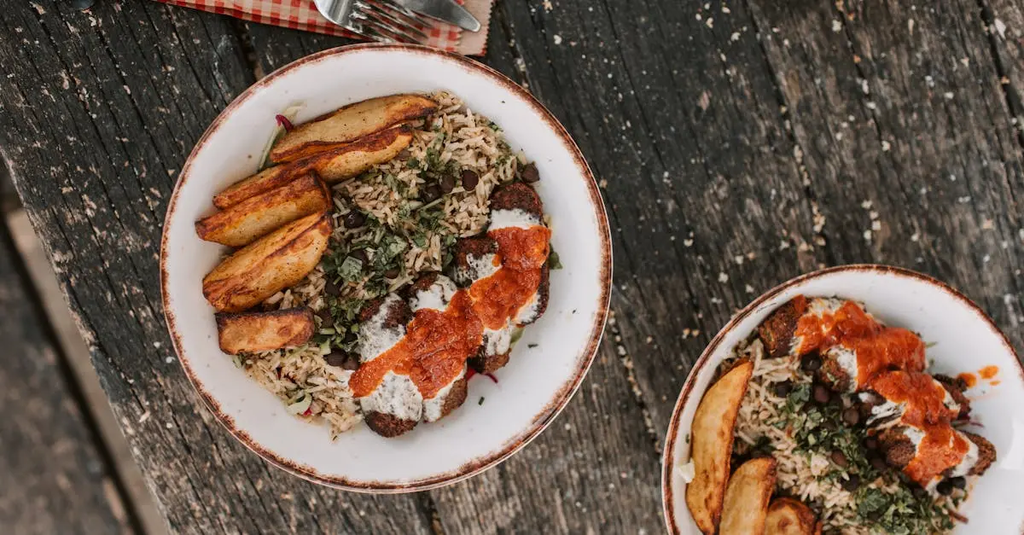
Indigenous food revitalization in contemporary restaurants refers to the renewed focus on traditional Indigenous ingredients, recipes, and cooking methods within modern dining spaces. Chefs collaborate with Indigenous communities to source authentic foods and honor cultural heritage, while also adapting dishes to suit current culinary trends. This movement promotes cultural appreciation, sustainability, and awareness of Indigenous histories, helping to preserve and celebrate ancestral foodways in today’s diverse and evolving restaurant landscape.
Indigenous food revitalization in contemporary restaurants
Indigenous food revitalization in contemporary restaurants refers to the renewed focus on traditional Indigenous ingredients, recipes, and cooking methods within modern dining spaces. Chefs collaborate with Indigenous communities to source authentic foods and honor cultural heritage, while also adapting dishes to suit current culinary trends. This movement promotes cultural appreciation, sustainability, and awareness of Indigenous histories, helping to preserve and celebrate ancestral foodways in today’s diverse and evolving restaurant landscape.
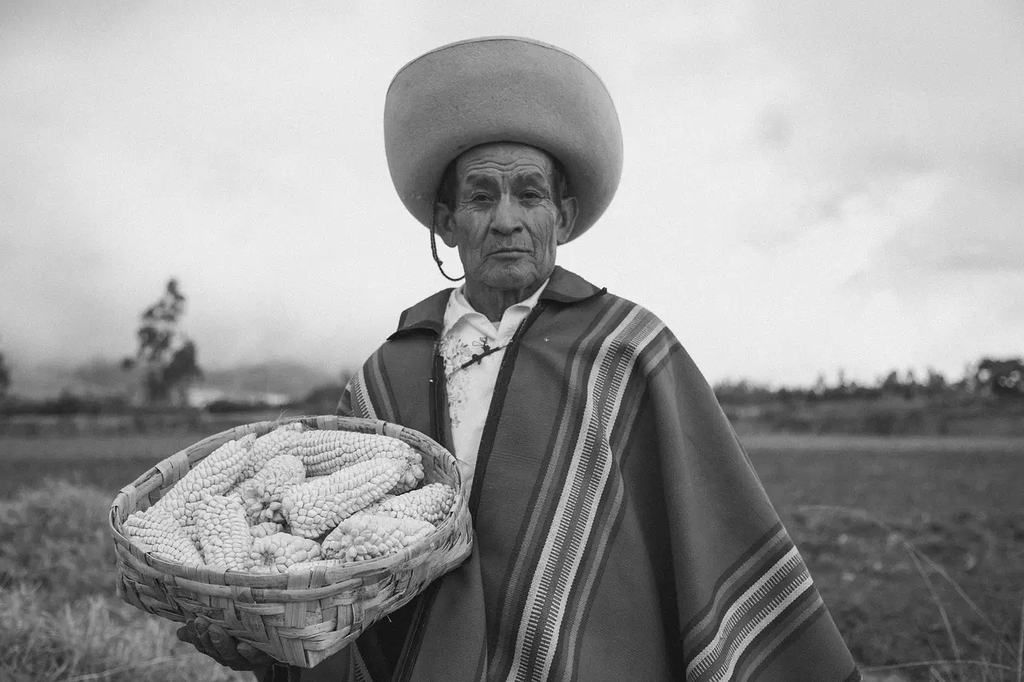
💡 Key Takeaways
- Identify traditional Indigenous ingredients and their cultural significance in US cooking.
- Explain how chefs collaborate with Indigenous communities to source authentic foods and honor traditional knowledge.
- Describe how traditional Indigenous cooking techniques are integrated into modern restaurant practices.
- Discuss ethical considerations and the role of Indigenous revitalization in shaping American culinary history and regional identity.
❓ Frequently Asked Questions
What is Indigenous food revitalization in contemporary restaurants?
A movement to reintroduce traditional Indigenous ingredients, recipes, and cooking methods into modern dining, often through collaboration with Indigenous communities to honor heritage and promote sustainable practices.
Why do chefs collaborate with Indigenous communities when sourcing ingredients?
To ensure authenticity, respect cultural protocols, support Indigenous economies, and preserve traditional ecological knowledge about harvests and ingredients.
What are examples of traditional Indigenous ingredients or techniques that might appear on modern menus?
Ingredients such as maize (corn), beans, squash (the Three Sisters), bison, salmon, wild rice, and berries; techniques like ash baking, smoking, drying, fermentation, and stone or pit cooking.
How does Indigenous food revitalization affect culture and communities?
It helps preserve culinary heritage, supports Indigenous livelihoods, educates diners about history and land stewardship, and strengthens cultural identity through shared food traditions.