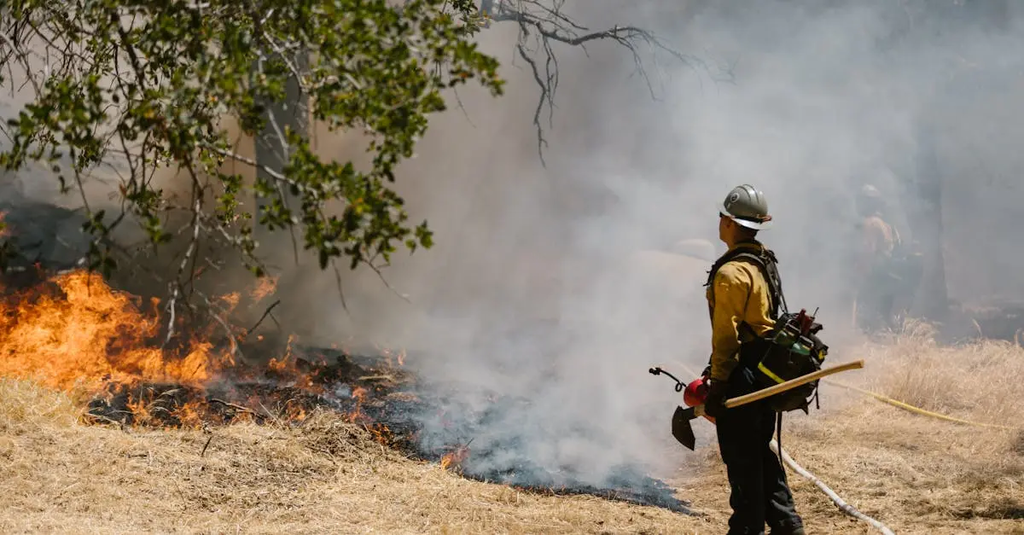
Indigenous knowledge in conservation refers to the traditional understanding, practices, and wisdom developed by Indigenous peoples over generations to sustainably manage and protect their natural environments. This knowledge is deeply rooted in local culture, spirituality, and direct experience with nature. It often includes sustainable harvesting, habitat preservation, and resource management techniques that promote biodiversity and ecosystem balance, offering valuable insights for modern conservation efforts and environmental stewardship.
Indigenous Knowledge in Conservation
Indigenous knowledge in conservation refers to the traditional understanding, practices, and wisdom developed by Indigenous peoples over generations to sustainably manage and protect their natural environments. This knowledge is deeply rooted in local culture, spirituality, and direct experience with nature. It often includes sustainable harvesting, habitat preservation, and resource management techniques that promote biodiversity and ecosystem balance, offering valuable insights for modern conservation efforts and environmental stewardship.
💡 Key Takeaways
- Understand how traditional Indigenous knowledge informs sustainable conservation and resource management.
- Learn about Indigenous practices and concepts—such as seasonal stewardship, ecological relationships, and landscape restoration.
- Explore how spirituality, culture, and community ethics shape conservation priorities and responsibilities.
- Discover respectful, collaborative approaches to integrating Indigenous knowledge with science through co-management and benefit-sharing.
❓ Frequently Asked Questions
What is Indigenous knowledge in conservation?
Indigenous knowledge in conservation is the traditional understanding, practices, and wisdom developed by Indigenous peoples over generations to sustainably manage and protect their natural environments, rooted in local culture, spirituality, and lived experience.
How does Indigenous knowledge differ from Western science in conservation?
It is place-based, experiential, and holistic, often transmitted through stories and daily practices, whereas scientific knowledge relies on systematic methods and data; both can complement each other for better stewardship.
What are some examples of Indigenous conservation practices?
Fire management, seasonal harvesting rules, protection of sacred or ecologically important sites, and community-led monitoring and governance that maintain biodiversity and ecosystem health.
What ethical considerations surround using Indigenous knowledge in conservation?
Respect for consent and ownership, fair benefit-sharing, protection of cultural protocols and intellectual property, and ensuring communities lead decisions and receive recognition.
How can Indigenous knowledge be integrated into modern conservation planning?
Through co-management agreements, collaboration with Indigenous groups, incorporation of traditional indicators into monitoring, and recognition of Indigenous land rights in planning and policy.