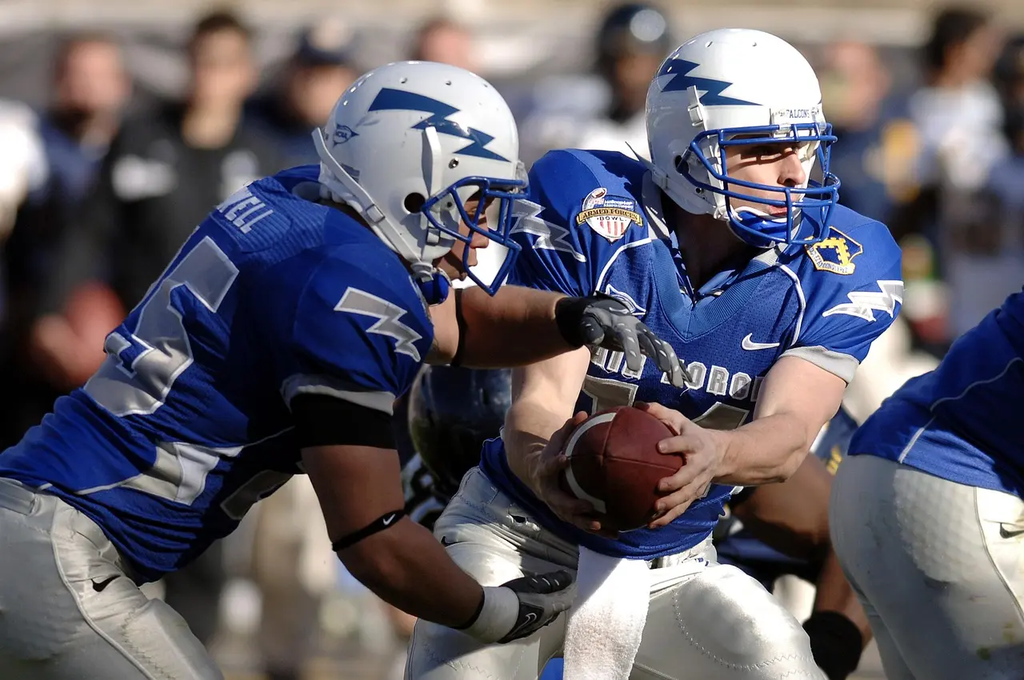
Indigenous representation and change in team names refers to the movement to address and rectify the use of Indigenous names, symbols, and mascots in sports teams. This initiative seeks to promote respect, cultural sensitivity, and inclusivity by replacing names and imagery that are considered offensive or stereotypical. The goal is to honor Indigenous communities, foster understanding, and ensure that team branding does not perpetuate harmful misconceptions or disrespect Indigenous identities.
Indigenous representation and change in team names
Indigenous representation and change in team names refers to the movement to address and rectify the use of Indigenous names, symbols, and mascots in sports teams. This initiative seeks to promote respect, cultural sensitivity, and inclusivity by replacing names and imagery that are considered offensive or stereotypical. The goal is to honor Indigenous communities, foster understanding, and ensure that team branding does not perpetuate harmful misconceptions or disrespect Indigenous identities.
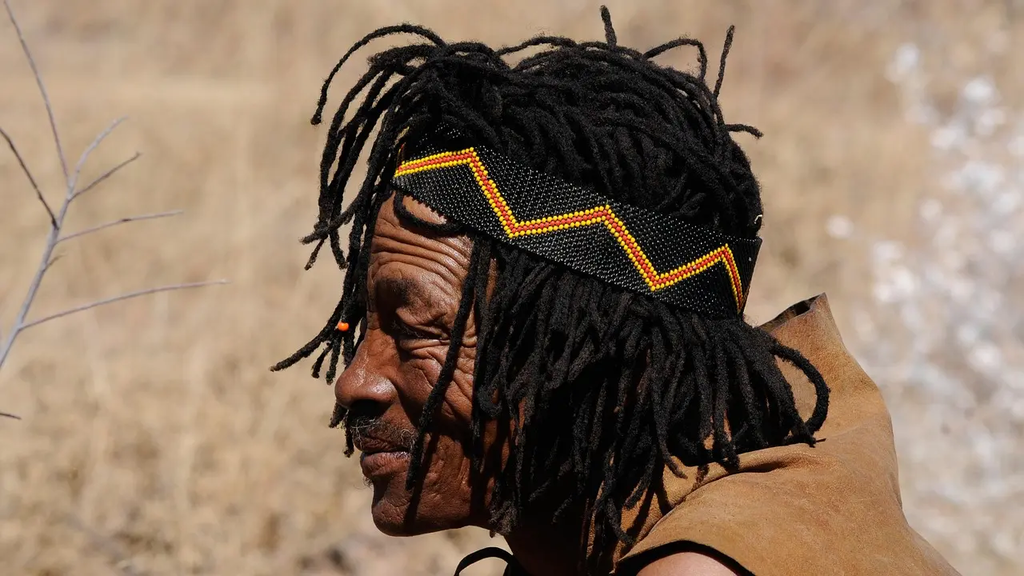
💡 Key Takeaways
- Understand what Indigenous representation means in sports and why certain team names or mascots can be offensive.
- Recognize examples of teams that changed names or imagery and the factors that prompted those changes.
- Describe processes for choosing respectful, inclusive names and logos (community input, cultural consultation, and design considerations).
- Assess the impact of name changes on communities, fans, and athletes, and the balance between tradition and cultural sensitivity.
❓ Frequently Asked Questions
What does Indigenous representation in sports mean?
It refers to how Indigenous peoples are portrayed in team names, logos, and mascots, and whether that portrayal is respectful or stereotypical. The goal is cultural sensitivity and inclusive branding.
Why are teams changing names or logos?
Because some names and imagery can be offensive or stereotype Indigenous communities. Changes aim to show respect, reduce harm, and align with current values of inclusion.
Can you name a few examples of name changes in American sports?
Cleveland Indians → Guardians (2021); Washington Redskins → Commanders (2022). Other shifts include retirement of certain mascots and revised branding after community input.
What is the difference between a team name and a mascot?
A team name is the official identifier (e.g., Guardians, Commanders). A mascot is a character or symbol used in branding; some teams use Indigenous imagery in mascots, but that practice is increasingly scrutinized.
How can fans engage respectfully with this movement?
Listen to Indigenous voices, avoid stereotypes, support teams’ respectful branding choices, educate yourself, and participate in constructive dialogue about representation.