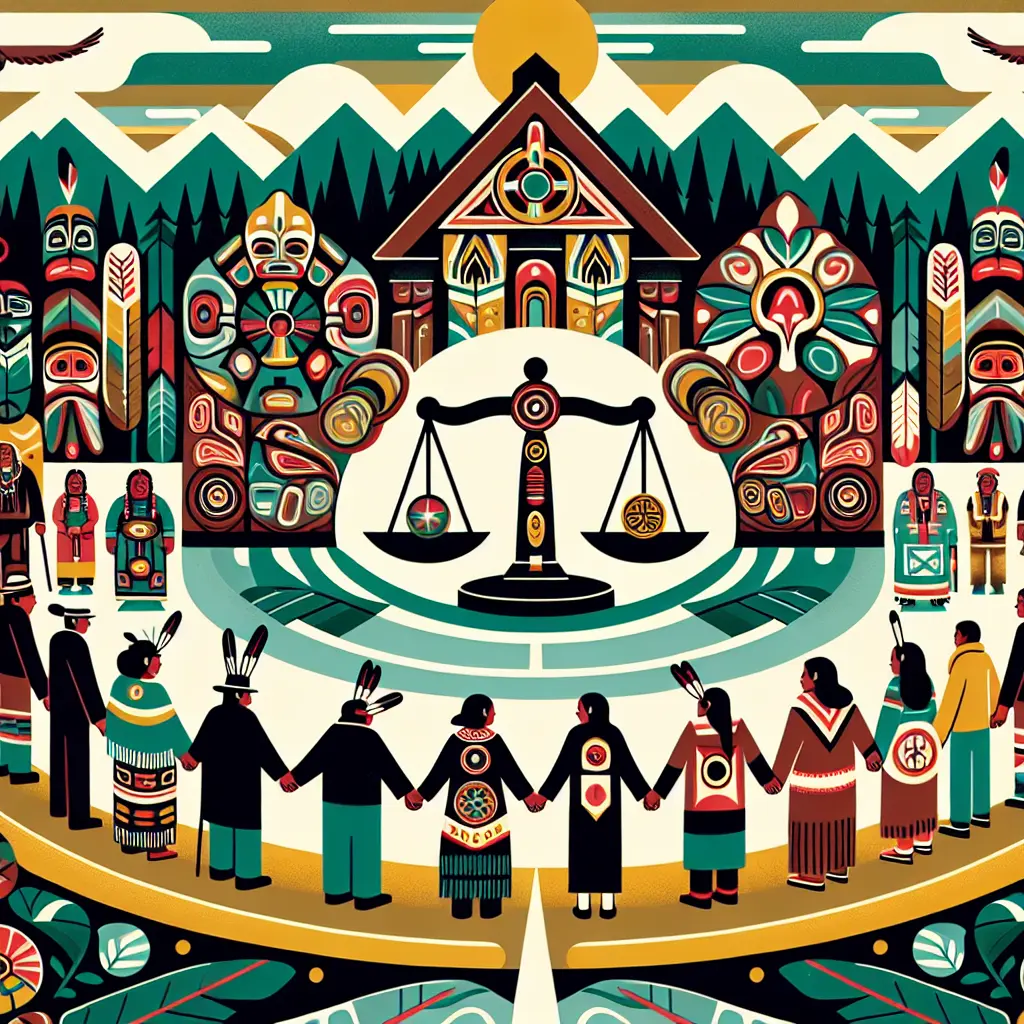
Indigenous Rights and Law refers to the legal recognition and protection of the rights of Indigenous peoples, including their land, culture, language, and self-determination. These rights are often upheld through national constitutions, international agreements like the United Nations Declaration on the Rights of Indigenous Peoples (UNDRIP), and court decisions. The aim is to address historical injustices, promote equality, and ensure Indigenous communities can maintain their traditions and govern their affairs.
Indigenous Rights and Law
Indigenous Rights and Law refers to the legal recognition and protection of the rights of Indigenous peoples, including their land, culture, language, and self-determination. These rights are often upheld through national constitutions, international agreements like the United Nations Declaration on the Rights of Indigenous Peoples (UNDRIP), and court decisions. The aim is to address historical injustices, promote equality, and ensure Indigenous communities can maintain their traditions and govern their affairs.
💡 Key Takeaways
- Identify the core Indigenous rights (land, culture, language, and self-determination) protected by law.
- Explain how national constitutions and international instruments, including the United Nations Declaration on the Rights of Indigenous Peoples (UNDRIP), recognize and safeguard these rights.
- Describe FPIC or free, prior and informed consent and its role in decisions about land, resources, and governance affecting Indigenous communities.
- Explore common legal challenges and the mechanisms used to enforce Indigenous rights within domestic and international frameworks.
❓ Frequently Asked Questions
What are Indigenous rights?
Indigenous rights are the legal rights of Indigenous peoples to land, territories, resources, culture, language, and self-determination, recognized in national constitutions and international instruments like UNDRIP.
What is the United Nations Declaration on the Rights of Indigenous Peoples (UNDRIP)?
UNDRIP is a United Nations declaration that outlines standards for Indigenous rights, including land, culture, language, and self-determination. It is non-binding but highly influential in shaping national laws and policies.
How are Indigenous land rights protected in law?
Land rights are protected through constitutional provisions, national laws, treaties, and court decisions that recognize traditional territories and resource rights; many laws require consultation and, where appropriate, consent for developments on Indigenous lands.
What does self-determination mean for Indigenous communities?
Self-determination means Indigenous peoples' right to freely determine their political status and pursue development that reflects their cultures and needs, including meaningful participation in decisions affecting their lands and governance.