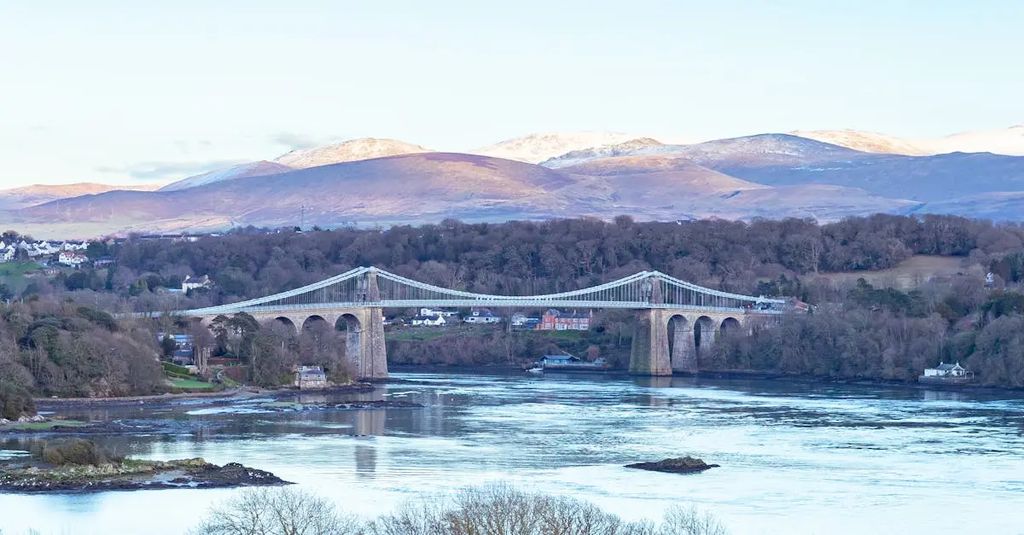
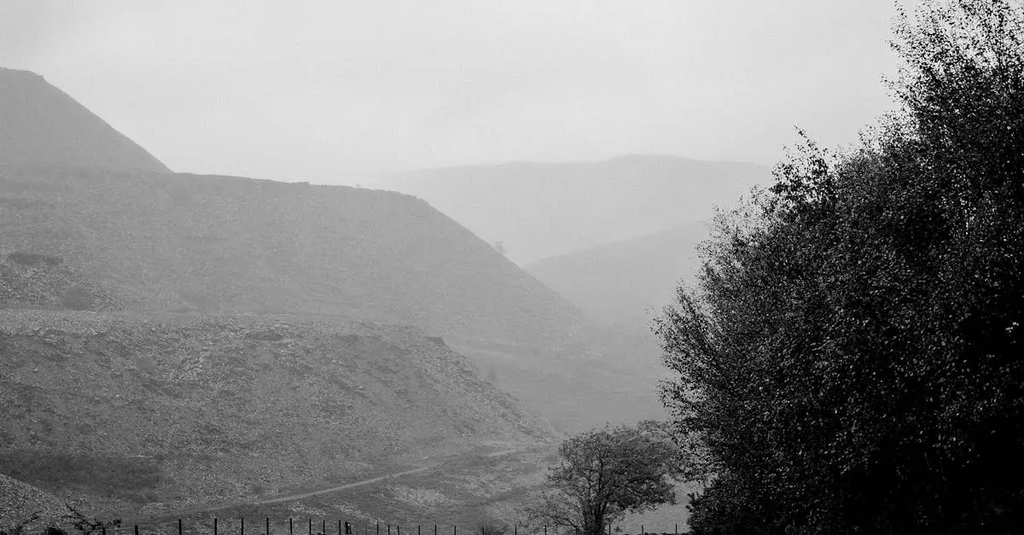
Industrial heritage landscapes in the UK refer to areas shaped by the country’s industrial past, such as factories, mills, mines, canals, and railways. These landscapes reflect the technological, social, and economic changes brought by the Industrial Revolution. Many sites, like Ironbridge Gorge or Saltaire, are preserved for their historical significance, offering insight into industrialization’s impact on communities, architecture, and the environment, and contributing to national identity and tourism.
Industrial heritage landscapes in the UK
Industrial heritage landscapes in the UK refer to areas shaped by the country’s industrial past, such as factories, mills, mines, canals, and railways. These landscapes reflect the technological, social, and economic changes brought by the Industrial Revolution. Many sites, like Ironbridge Gorge or Saltaire, are preserved for their historical significance, offering insight into industrialization’s impact on communities, architecture, and the environment, and contributing to national identity and tourism.
💡 Key Takeaways
- Identify the main elements that define industrial heritage landscapes in the UK (factories, mills, mines, canals, railways).
- Explain how these places reflect the technological, social, and economic shifts of the Industrial Revolution.
- Name key sites (e.g., Ironbridge Gorge) and describe their significance in industrial history.
- Understand how industrial heritage is preserved and interpreted today, including conservation, reuse, and community engagement.
❓ Frequently Asked Questions
What are industrial heritage landscapes?
Areas shaped by the UK’s industrial past— such as factories, mills, mines, canals, and railways— that show the technologies, work, and places created during the Industrial Revolution.
Why is Ironbridge Gorge mentioned as an example?
Ironbridge Gorge is a key industrial heritage site and a UNESCO World Heritage Site that preserves early ironmaking history and related museums, illustrating the era's innovations.
What features are common in these landscapes?
Common features include old factories and mills, chimneys, canals and railways, engine houses, worker housing, warehouses, bridges, and preserved machinery.
How do these landscapes help us understand the Industrial Revolution?
They reveal technological advances (like steam power and mechanisation), social changes (work patterns and living conditions), and economic shifts that transformed Britain.