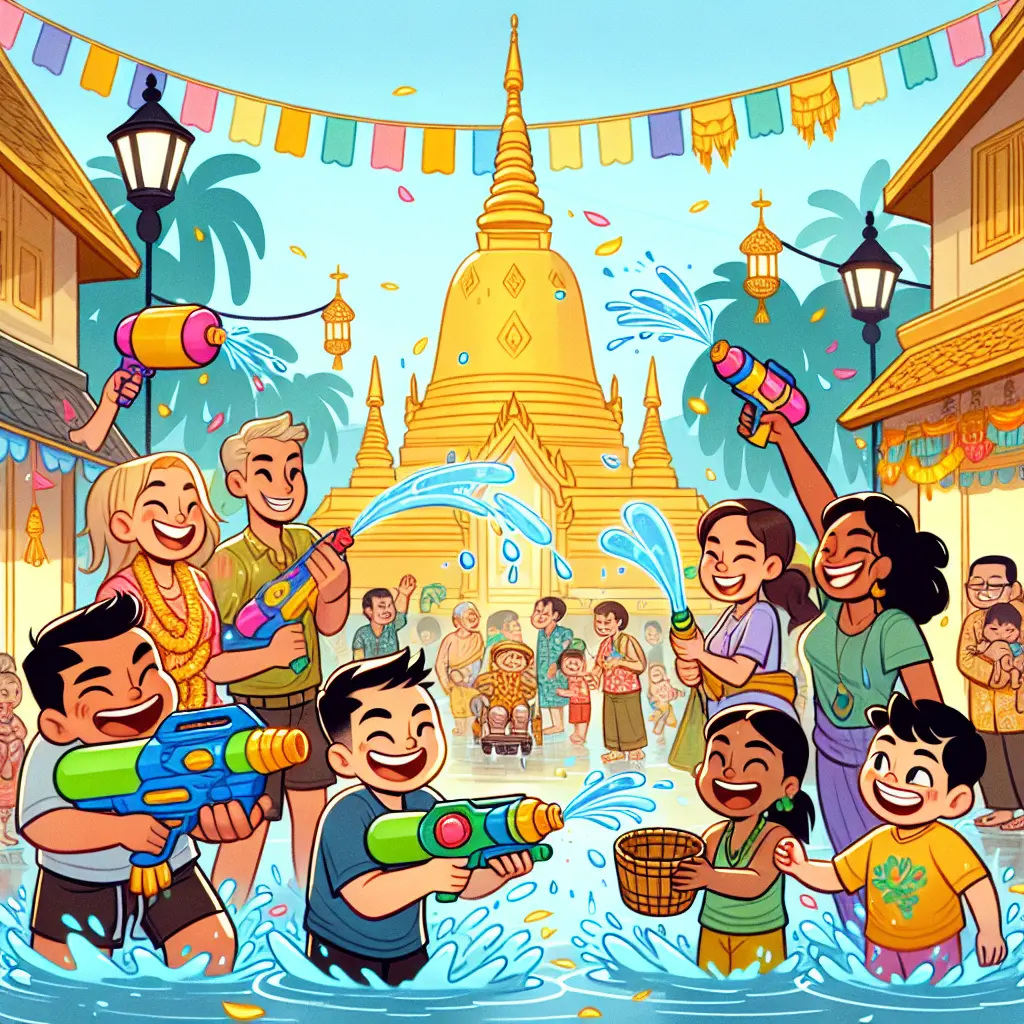
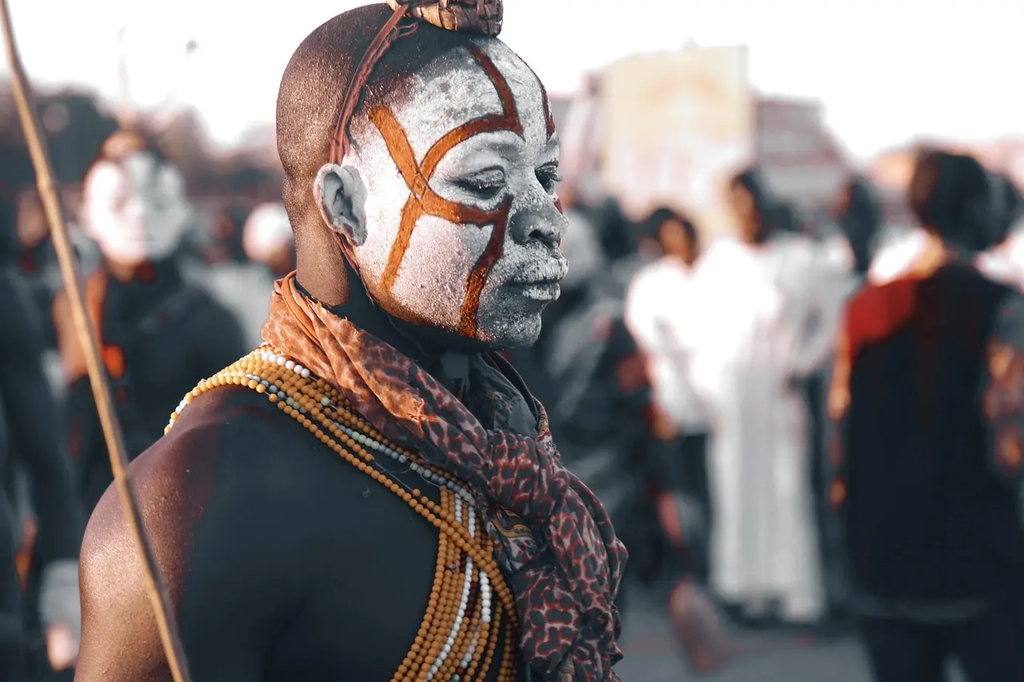
Industrialization transformed societies by fostering urbanization and technological advancement, leading to increased leisure time and disposable income among the masses. As people moved into cities and worked regular hours, opportunities for collective gatherings grew. This shift enabled the rise of mass celebrations—public festivals, parades, and holidays—where large groups could participate. These events fostered community identity, reinforced social cohesion, and often reflected emerging national or civic pride in rapidly changing industrial societies.
Industrialization & the Rise of Mass Celebrations
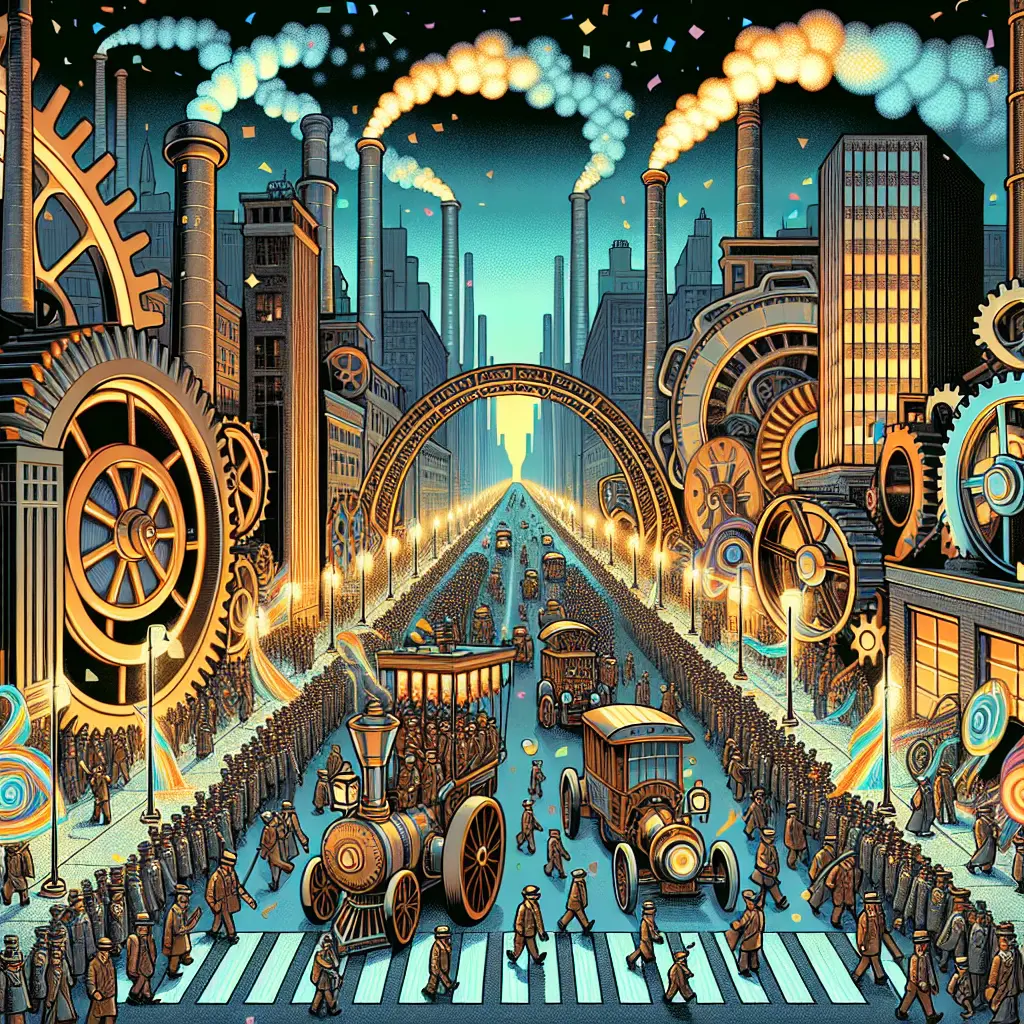
Industrialization transformed societies by fostering urbanization and technological advancement, leading to increased leisure time and disposable income among the masses. As people moved into cities and worked regular hours, opportunities for collective gatherings grew. This shift enabled the rise of mass celebrations—public festivals, parades, and holidays—where large groups could participate. These events fostered community identity, reinforced social cohesion, and often reflected emerging national or civic pride in rapidly changing industrial societies.
💡 Key Takeaways
- Industrialization spurred urban growth and new venues for large-scale celebrations.
- Longer leisure time and rising incomes boosted participation in mass festivals.
- Transportation networks and media enabled widespread attendance and coordinated events.
- Mass celebrations shaped social life, holidays, consumer culture, and urban identity.
❓ Frequently Asked Questions
How did industrialization drive urbanization?
Factory jobs drew workers into cities, creating dense urban centers and transforming living patterns.
Why did leisure time and disposable income increase during industrialization?
Higher wages and more regular hours (along with urban markets for goods) gave people more money and time for recreation.
How did technology and transportation enable mass celebrations?
Railways, printing, and improved streets allowed large urban populations to attend events and learn about festivals.
What role did mass celebrations play in industrial societies?
They provided shared experiences and community identity, offering relief from work and reinforcing social ties amid rapid change.