Infection control basics refer to fundamental practices and procedures designed to prevent the spread of infectious diseases in healthcare and community settings. These include proper hand hygiene, use of personal protective equipment (PPE), safe handling and disposal of sharps and waste, environmental cleaning, and adherence to standard precautions. By consistently applying these measures, individuals and organizations can reduce the risk of infections and protect both patients and healthcare workers from potential harm.
Infection Control Basics+50
Infection control basics refer to fundamental practices and procedures designed to prevent the spread of infectious diseases in healthcare and community settings. These include proper hand hygiene, use of personal protective equipment (PPE), safe handling and disposal of sharps and waste, environmental cleaning, and adherence to standard precautions. By consistently applying these measures, individuals and organizations can reduce the risk of infections and protect both patients and healthcare workers from potential harm.
💡 Key Takeaways
- Core principles of infection control and why they prevent transmission.
- Proper hand hygiene techniques and the key moments for handwashing or sanitizing.
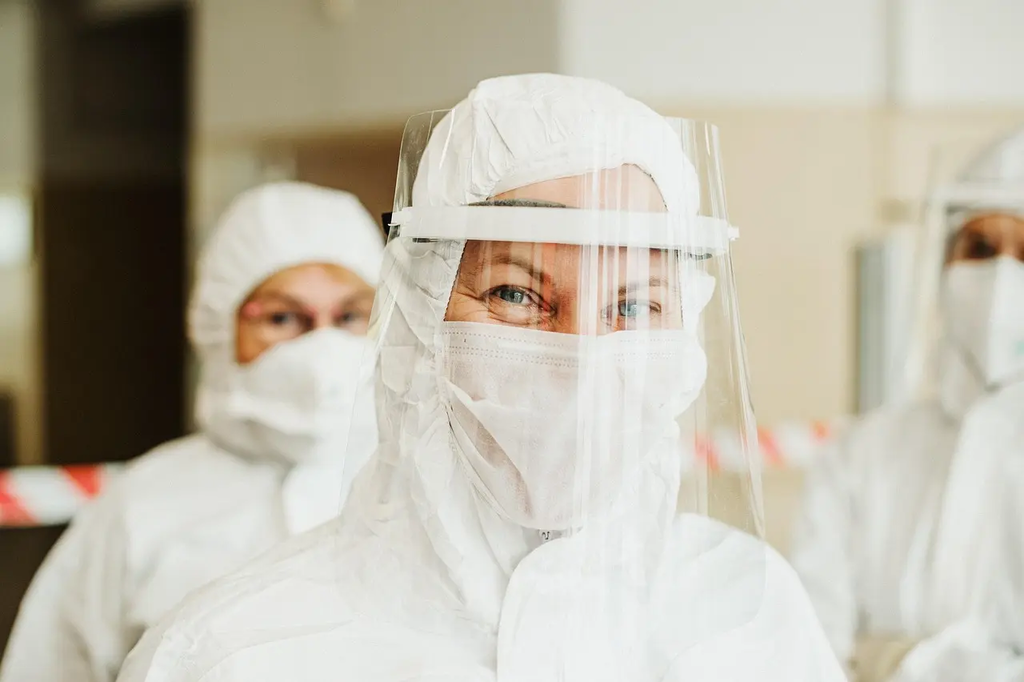
- Correct use and removal of PPE to protect yourself and others.
- Safe handling, containment, and disposal of sharps and waste.
- Environmental cleaning and disinfection to minimize transmission.
❓ Frequently Asked Questions
What is infection control and why is it important?
Infection control includes practices that prevent the spread of infections in healthcare and community settings, protecting patients, healthcare workers, and visitors.
What is proper hand hygiene and when should you perform it?
Wash with soap and water or use an alcohol-based hand sanitizer. Do it before touching a patient, after body-fluid contact, after removing gloves, and after touching the patient's surroundings.
How should PPE be used to prevent infection?
Wear appropriate PPE (gloves, gown, mask/eye protection) based on risk. Don it before contact with the patient or contaminated materials and doff carefully, followed by hand hygiene.
How should sharps and waste be safely handled and disposed of?
Do not recap needles. Dispose of sharps in approved sharps containers and follow local regulations for waste disposal. Practice hand hygiene after handling waste.
What role does environmental cleaning play in infection control?
Regular cleaning and disinfection of high-touch surfaces with approved products reduces transmission risk, especially in care areas and shared spaces.