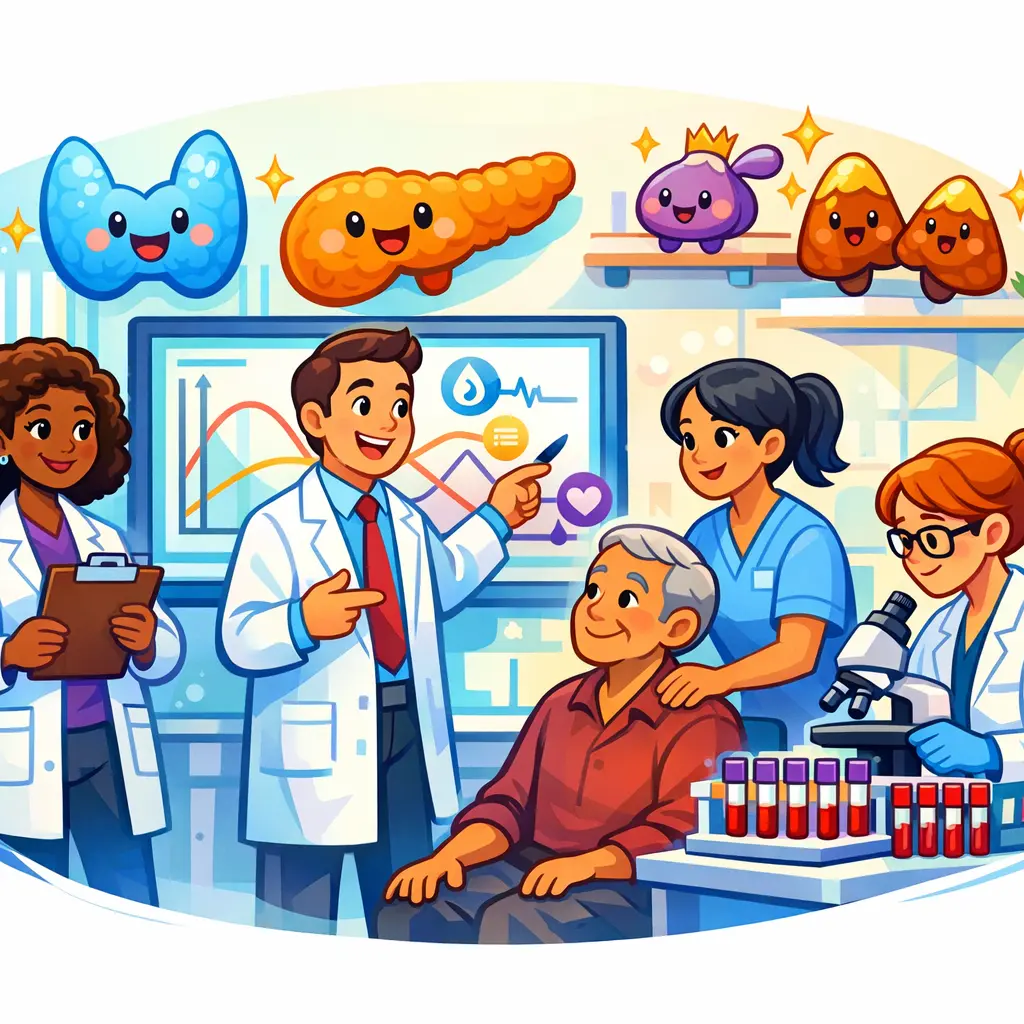
Infectious diseases careers focus on the study, diagnosis, treatment, and prevention of illnesses caused by microorganisms such as bacteria, viruses, fungi, and parasites. Professionals in this field, including physicians, researchers, epidemiologists, and public health experts, work in hospitals, laboratories, and community health settings. Their roles are crucial in managing outbreaks, developing vaccines, guiding infection control policies, and advancing medical knowledge to protect public health and improve patient outcomes.
Infectious Diseases Careers
Infectious diseases careers focus on the study, diagnosis, treatment, and prevention of illnesses caused by microorganisms such as bacteria, viruses, fungi, and parasites. Professionals in this field, including physicians, researchers, epidemiologists, and public health experts, work in hospitals, laboratories, and community health settings. Their roles are crucial in managing outbreaks, developing vaccines, guiding infection control policies, and advancing medical knowledge to protect public health and improve patient outcomes.
💡 Key Takeaways
- Explore career paths in infectious diseases (clinical, research, public health, policy).
- Learn key concepts in transmission, prevention, and control of infectious diseases.
- Identify education and training options for infectious disease careers (MD, PhD, MPH, residencies and fellowships).
- Understand the daily responsibilities and essential skills in outbreak response, surveillance, and laboratory work.
❓ Frequently Asked Questions
What career paths involve infectious diseases?
Clinical ID physicians, microbiologists/lab scientists, epidemiologists, infection preventionists, public health professionals, researchers, and outbreak response specialists.
What education do you need to become an infectious diseases physician?
Typically an undergraduate degree, a medical degree (MD/DO), internal medicine residency, followed by a fellowship in infectious diseases and board certification in ID.
What does an epidemiologist in infectious diseases do?
Investigate how diseases spread, analyze data, model outbreaks, evaluate interventions, and inform public health policies.
What skills are important for careers in infectious diseases?
Strong scientific literacy, data analysis, critical thinking, communication, collaboration, biosafety awareness, and the ability to work under pressure during outbreaks.
Where do infectious diseases professionals typically work?
Hospitals, clinical laboratories, universities, government agencies (e.g., public health departments, CDC), research institutes, and international health organizations.