Infectious Diseases Fundamentals refers to the basic principles and concepts related to diseases caused by microorganisms such as bacteria, viruses, fungi, and parasites. It covers how these pathogens spread, the body’s immune response, methods of prevention, diagnosis, and treatment, as well as the impact of infectious diseases on public health. Understanding these fundamentals is essential for controlling outbreaks and developing effective strategies to reduce disease transmission and improve health outcomes.
Infectious Diseases Fundamentals
Infectious Diseases Fundamentals refers to the basic principles and concepts related to diseases caused by microorganisms such as bacteria, viruses, fungi, and parasites. It covers how these pathogens spread, the body’s immune response, methods of prevention, diagnosis, and treatment, as well as the impact of infectious diseases on public health. Understanding these fundamentals is essential for controlling outbreaks and developing effective strategies to reduce disease transmission and improve health outcomes.
💡 Key Takeaways
- Understand the main types of pathogens (bacteria, viruses, fungi, and parasites) and how they cause disease.
- Describe common transmission routes for infectious diseases and factors that influence their spread.
- Explain how the immune system responds to infection and the role of vaccines in building protection.
- Identify basic strategies for prevention, diagnosis, and treatment of infectious diseases in healthcare settings.
❓ Frequently Asked Questions
What are infectious diseases?
Infectious diseases are illnesses caused by microorganisms — bacteria, viruses, fungi, or parasites — that can spread between people, animals, or the environment.
How do pathogens spread from one person to another?
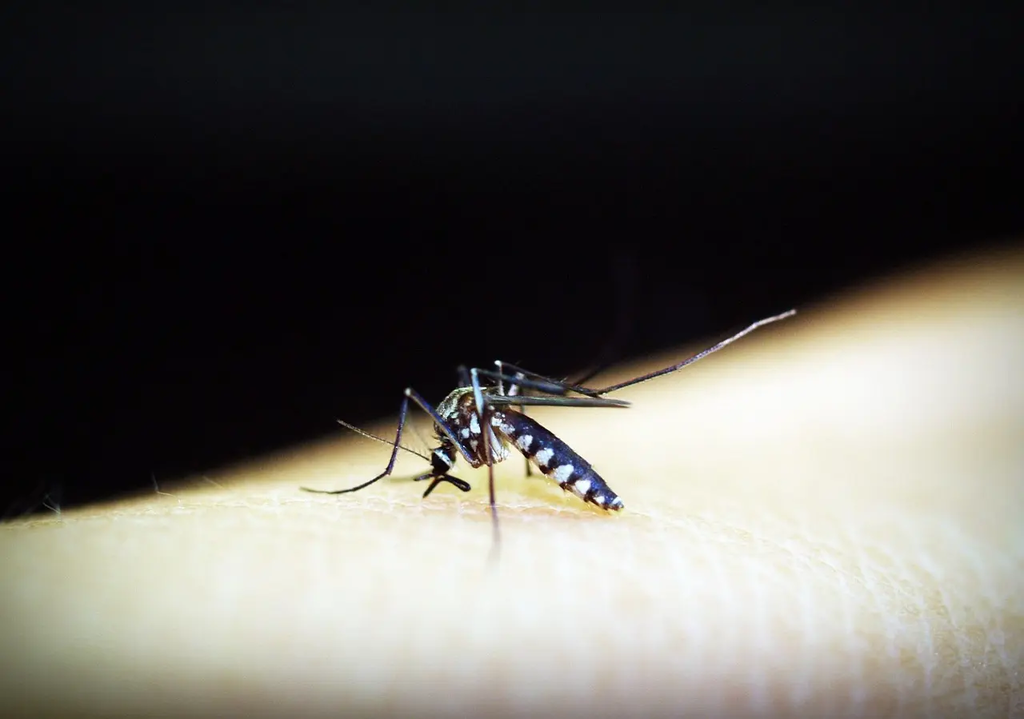
Pathogens can spread through droplets (coughs/sneezes), direct contact, contaminated surfaces, vectors (like mosquitoes), or contaminated food/water, depending on the organism.
What happens during the body’s immune response to infection?
The immune system detects invaders and mounts a defense with barriers, immune cells, antibodies, and inflammation to limit and eliminate the pathogens.
How are infectious diseases prevented, diagnosed, and treated?
Prevention includes vaccines, good hygiene, and safe food handling. Diagnosis relies on symptoms plus tests (cultures, PCR, etc.). Treatment depends on the pathogen: antibiotics for bacteria, antivirals for viruses, antifungals for fungi, and antiparasitics, with supportive care as needed.