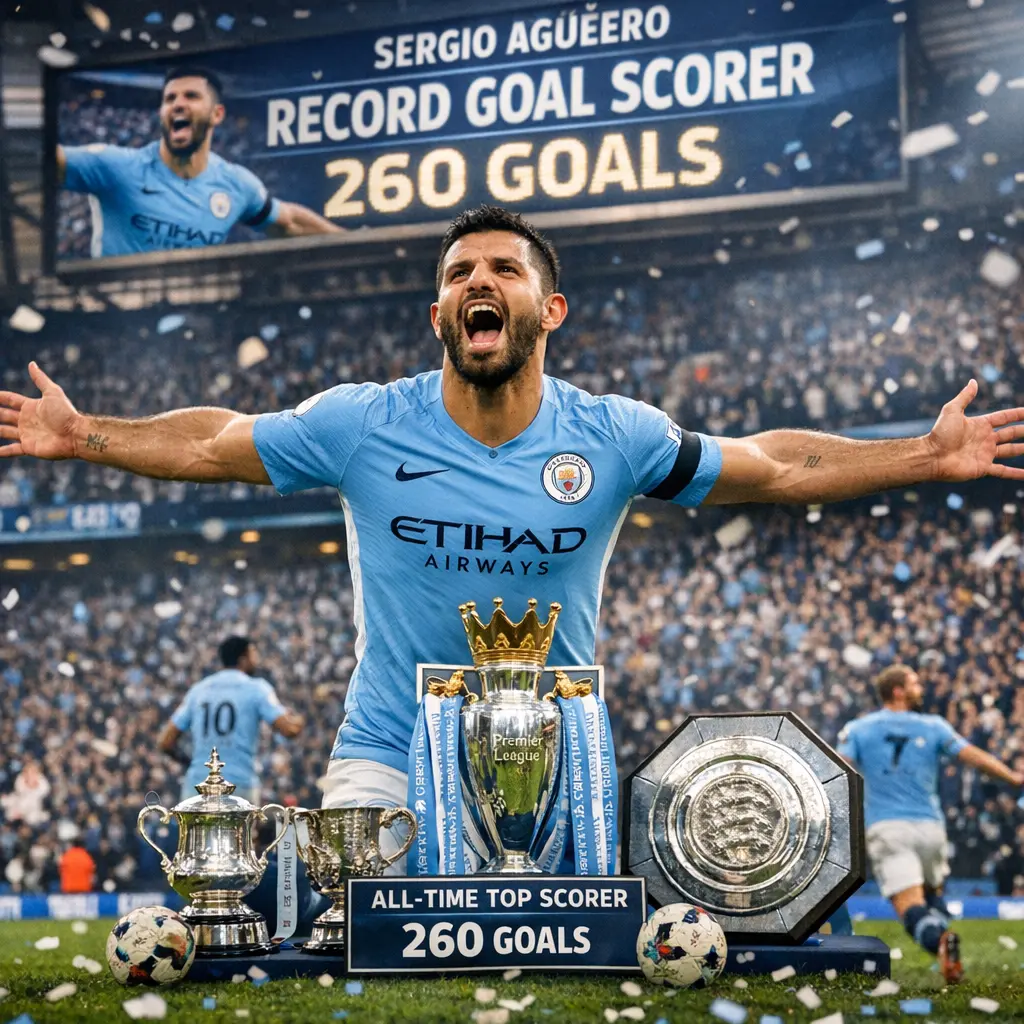
Injury Management and Player Recovery Pathways at Manchester City F.C. refer to the club’s comprehensive approach to diagnosing, treating, and rehabilitating injured players. This system combines advanced medical support, individualized rehabilitation programs, and close monitoring to ensure optimal recovery. The process involves collaboration between medical staff, physiotherapists, fitness coaches, and sports scientists, aiming to return players to peak performance swiftly and safely while minimizing the risk of re-injury.
Injury Management and Player Recovery Pathways
Injury Management and Player Recovery Pathways at Manchester City F.C. refer to the club’s comprehensive approach to diagnosing, treating, and rehabilitating injured players. This system combines advanced medical support, individualized rehabilitation programs, and close monitoring to ensure optimal recovery. The process involves collaboration between medical staff, physiotherapists, fitness coaches, and sports scientists, aiming to return players to peak performance swiftly and safely while minimizing the risk of re-injury.
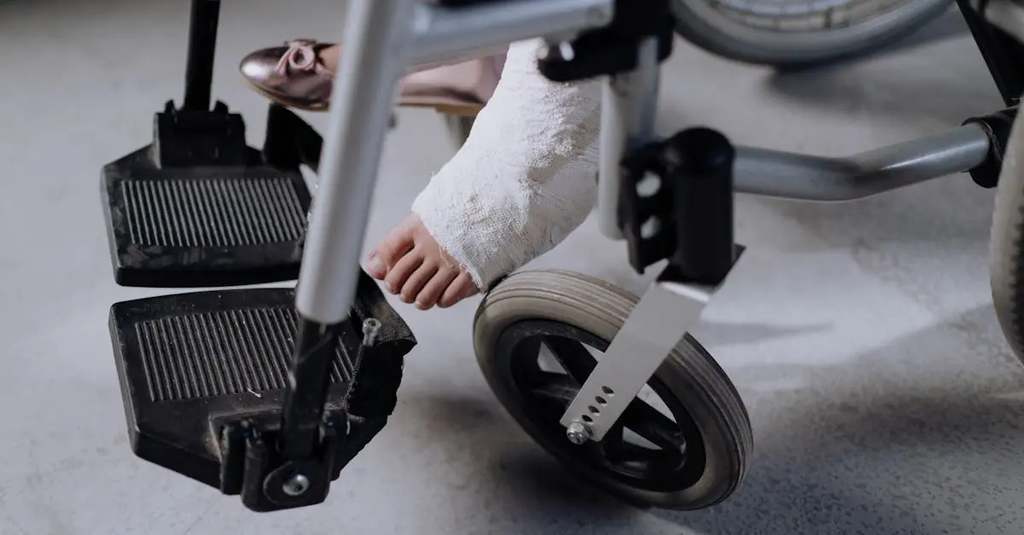
💡 Key Takeaways
- Understand the key steps in initial injury assessment and management for athletes.
- Learn rehabilitation principles, including gradual load progression and functional restoration.
- Identify clear return-to-play criteria and staged progression to reduce re-injury risk.
- Recognize the roles of clinicians, coaches, and support staff in coordinating a sport-specific recovery pathway.
❓ Frequently Asked Questions
What are the typical phases of injury recovery for athletes?
Acute/initial (pain and swelling control), subacute/healing (restore range of motion and strength), and rehabilitation/return-to-play (sport-specific loading and clearance).
What immediate steps should be taken after an injury to manage pain and swelling?
Apply PRICE: Protect, Rest, Ice (20 minutes several times daily for 24–72 hours), Compress, and Elevate. Seek care if pain or swelling is severe or worsens.
Who should be part of the recovery team?
A sports clinician or physician, a physiotherapist/athletic trainer, a strength and conditioning coach, and the coaching staff, with input from the athlete.
How is progress tracked during return-to-play?
Progress is based on criteria: symptom stability, range of motion, strength, balance, and sport-specific drills, with gradual loading and professional clearance before full return.