Injury prevention and taping refers to strategies and techniques used to reduce the risk of sports or physical activity-related injuries. Taping involves applying adhesive tape to joints or muscles to provide support, stability, and limit excessive movement, helping to prevent strains, sprains, or re-injury. Combined with proper warm-up, conditioning, and technique, taping is a widely used method in athletic and rehabilitation settings to safeguard against common musculoskeletal injuries.
Injury Prevention and Taping
Injury prevention and taping refers to strategies and techniques used to reduce the risk of sports or physical activity-related injuries. Taping involves applying adhesive tape to joints or muscles to provide support, stability, and limit excessive movement, helping to prevent strains, sprains, or re-injury. Combined with proper warm-up, conditioning, and technique, taping is a widely used method in athletic and rehabilitation settings to safeguard against common musculoskeletal injuries.
💡 Key Takeaways
- Understand the role of taping in joint support, stability, and movement limitation to prevent strains and sprains.
- Learn common taping techniques for key joints (e.g., ankle, knee) and when tape is appropriate versus a brace.
- Master basic safe taping steps: preparing skin, applying tape smoothly, and checking for circulation and comfort.
- Recognize signs of improper taping and know when to consult a clinician for adjustments or alternative injury-prevention strategies.
❓ Frequently Asked Questions
What is injury prevention in sports and physical activity?
A set of strategies (conditioning, warm-ups, proper technique, equipment, and load management) aimed at reducing the risk of strains, sprains, and other injuries.
How does taping help prevent injuries?
Taping provides joint or muscle support and limits excessive movement to reduce injury risk; it should complement training, not replace proper conditioning.
What are common types of tape, and when are they used?
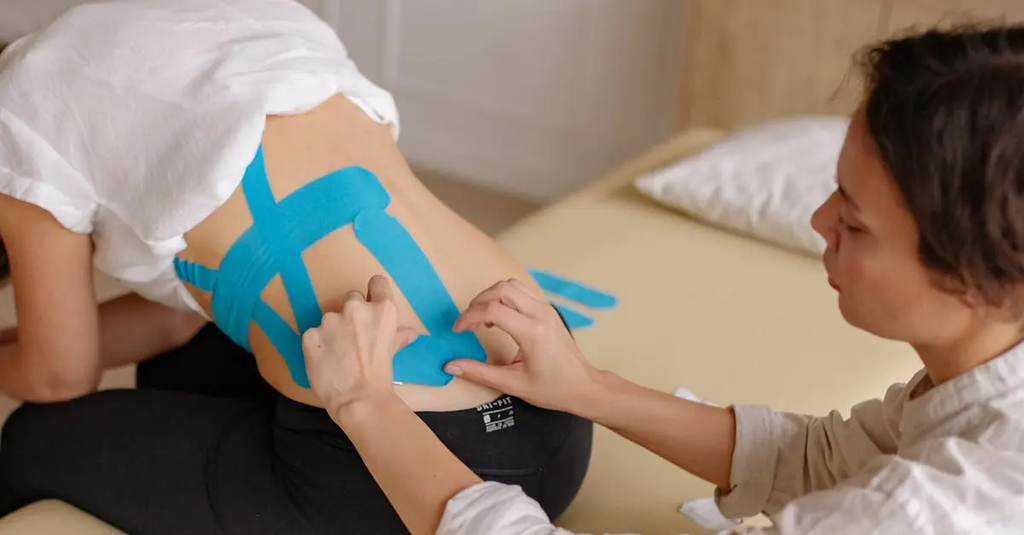
Rigid athletic tape is used for joint immobilization or extra support (e.g., ankles, fingers). Kinesiology tape offers muscle support and pain relief with more flexibility. Choice depends on the sport and injury.
What are safe taping practices?
Ensure skin is clean and dry, check for allergies, apply with appropriate tension, avoid over-tightening, remove if numbness or discoloration occurs, and seek professional guidance for persistent issues.