Injury Risk Modeling & Screening refers to the process of using data-driven methods to identify individuals or groups at higher risk of injury. This approach combines statistical analysis, predictive modeling, and screening tools to assess risk factors such as biomechanics, medical history, and activity levels. The goal is to enable early intervention, guide prevention strategies, and optimize training or workplace practices to reduce the likelihood of injuries occurring.
Injury Risk Modeling & Screening
Injury Risk Modeling & Screening refers to the process of using data-driven methods to identify individuals or groups at higher risk of injury. This approach combines statistical analysis, predictive modeling, and screening tools to assess risk factors such as biomechanics, medical history, and activity levels. The goal is to enable early intervention, guide prevention strategies, and optimize training or workplace practices to reduce the likelihood of injuries occurring.
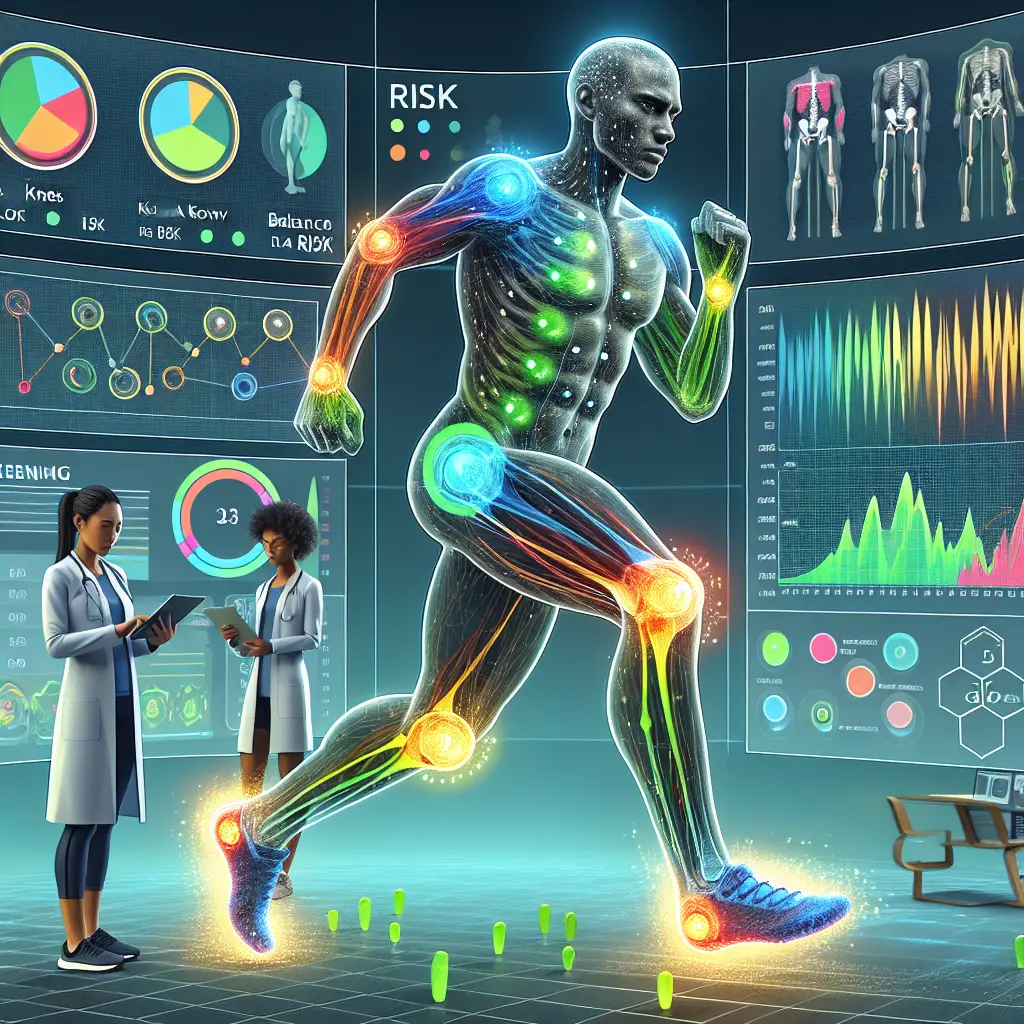
💡 Key Takeaways
- Understand how data-driven methods blend statistics, predictive modeling, and screening tools to estimate injury risk.
- Identify and interpret key risk factors such as biomechanics, medical history, and training/activity data that influence injury likelihood.
- Learn how to use risk predictions to inform prevention plans, training adjustments, and return-to-play decisions.
- Recognize limitations, ethical considerations, and data privacy when applying injury risk modeling and screening in sport and fitness contexts.
❓ Frequently Asked Questions
What is Injury Risk Modeling & Screening?
A data-driven approach that uses statistical models and screening tools to estimate who is at higher risk of injury by analyzing factors like biomechanics, medical history, training load, and activity demands.
What types of data are used in risk modeling?
Biomechanical measurements (movement patterns), medical/injury history, training and competition loads, fatigue/recovery data, strength and flexibility, sleep, and demographic factors. Data privacy and informed consent are important.
How are risk scores used in practice?
Risk scores guide targeted prevention, such as tailoring conditioning, technique coaching, load management, preseason screening, and informed return-to-play decisions, alongside professional judgment.
What are common limitations of these models?
Depend on data quality and context; provide probabilistic risk, not certainty; may suffer from overfitting or lack of generalizability; can be affected by measurement error and changing training environments; require ethical handling of data.