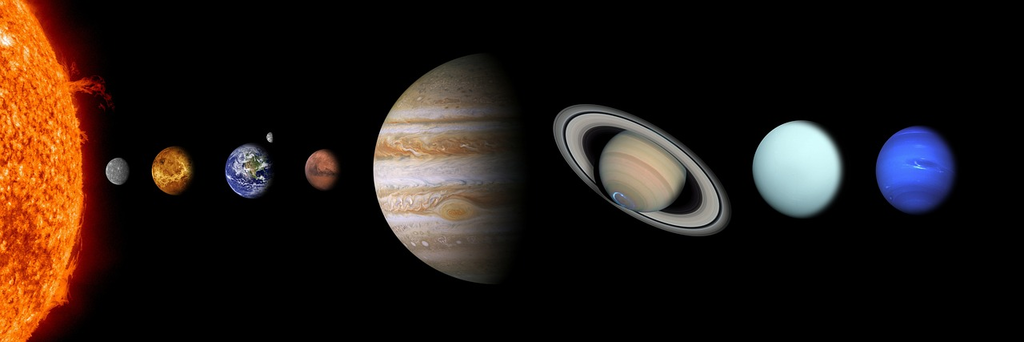
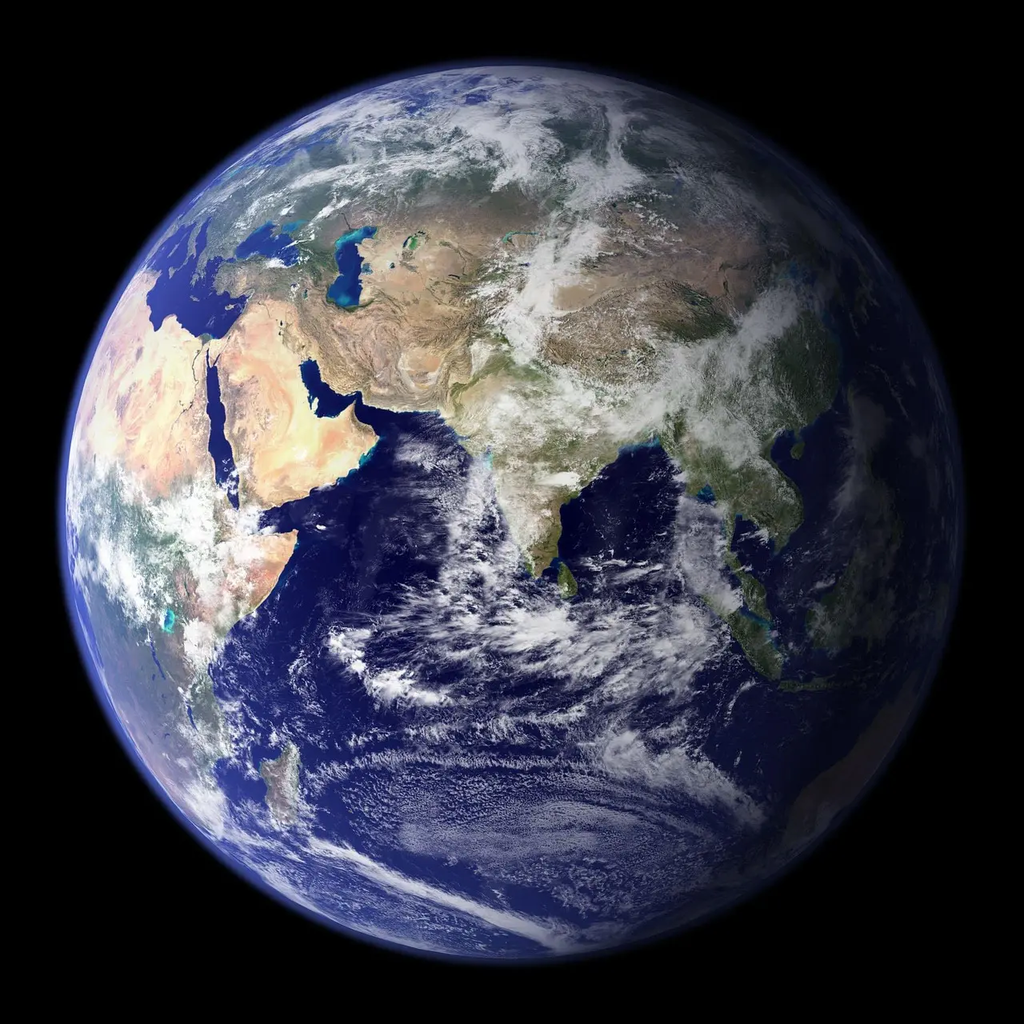
The inner planets of the solar system—Mercury, Venus, Earth, and Mars—are small, rocky, and located closest to the Sun. They have solid surfaces and relatively thin atmospheres. In contrast, the outer planets—Jupiter, Saturn, Uranus, and Neptune—are much larger, primarily composed of gases and ices, and lack solid surfaces. These outer planets, also known as gas giants and ice giants, have many moons and prominent ring systems.
Inner vs. Outer Planets
The inner planets of the solar system—Mercury, Venus, Earth, and Mars—are small, rocky, and located closest to the Sun. They have solid surfaces and relatively thin atmospheres. In contrast, the outer planets—Jupiter, Saturn, Uranus, and Neptune—are much larger, primarily composed of gases and ices, and lack solid surfaces. These outer planets, also known as gas giants and ice giants, have many moons and prominent ring systems.
💡 Key Takeaways
- Identify which planets are inner (rocky) vs outer (gas/ice giants) based on their location from the Sun and bulk composition.
- Compare inner and outer planets in terms of size, atmosphere, and number of moons.
- Explain how distance from the Sun affects temperature, surface conditions, and potential habitability.
- Describe key orbital and physical differences between the groups, including orbit duration, gravity, and notable features like rings or magnetic fields.
❓ Frequently Asked Questions
What defines inner planets vs outer planets?
Inner planets (Mercury, Venus, Earth, Mars) are rocky and close to the Sun. Outer planets (Jupiter, Saturn, Uranus, Neptune) are gas or ice giants farther away.
Which planets are considered inner and which are outer?
Inner: Mercury, Venus, Earth, Mars. Outer: Jupiter, Saturn, Uranus, Neptune.
What are the main differences in composition and size between inner and outer planets?
Inner planets are small and rocky. Outer planets are large and built mostly from hydrogen/helium (gas giants) or ices (ice giants).
Do inner planets have rings or many moons?
Inner planets have few or no moons (Earth has 1; Mars has 2; Mercury and Venus have none) and no prominent rings. Outer planets have many moons and visible ring systems.
What marks the boundary between inner and outer planets?
The asteroid belt between Mars and Jupiter marks the division between the two regions.