Input polling and controller protocols refer to the methods and rules used by computer systems to communicate with input devices, such as game controllers or keyboards. Input polling is a process where the system regularly checks the status of connected devices to detect user actions. Controller protocols define the specific communication standards, data formats, and commands exchanged between the system and the controller, ensuring accurate and timely transmission of input signals for responsive user interaction.
Input Polling & Controller Protocols
Input polling and controller protocols refer to the methods and rules used by computer systems to communicate with input devices, such as game controllers or keyboards. Input polling is a process where the system regularly checks the status of connected devices to detect user actions. Controller protocols define the specific communication standards, data formats, and commands exchanged between the system and the controller, ensuring accurate and timely transmission of input signals for responsive user interaction.

💡 Key Takeaways
- Understand how input polling works and why retro consoles relied on polling rather than interrupts to read controllers.
- Learn the basic controller protocol handshake: a latch (strobe) captures button states, then clock pulses shift the data out bit by bit.
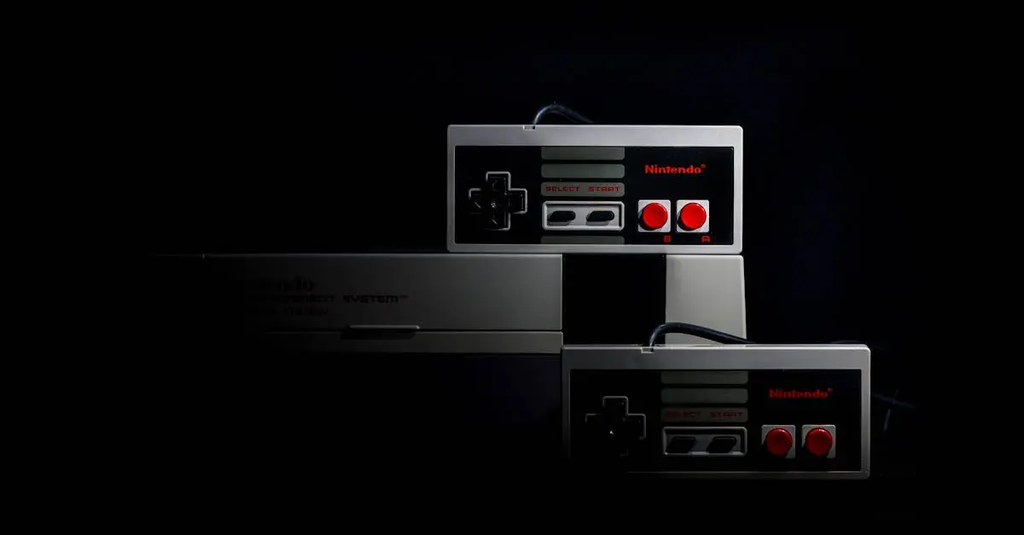
- Describe how the NES-style 8-button shift-register controller transfers button presses to the CPU via a data line.
- Compare retro input protocols across systems (NES, SNES, Genesis) and how different button layouts and timing affect gameplay.
- Explore how polling latency influences responsiveness and how emulators reproduce these timing characteristics for accuracy.
❓ Frequently Asked Questions
What is input polling?
Input polling is when the system repeatedly checks the state of connected input devices (like a keyboard or game controller) by reading their status in a loop.
What is a controller protocol?
A controller protocol defines how a game controller communicates button states to the host, covering signaling lines, data format, and timing.
How did the NES controller send button states to the console?
The NES controller used a latch and a serial shift register: the host latches the 8 button states, then clocks them out one bit at a time via a data line.
How do retro controller protocols differ between systems like NES and SNES?
NES uses a simple 8-bit serial stream, while SNES uses a 3-wire serial interface that can transmit more buttons (often 12) with a latch and clock, though both transmit data serially rather than in parallel.