"Insects and Birds (Visual Challenge Vault)" refers to a curated collection or repository designed to visually challenge observers with images, puzzles, or comparisons featuring insects and birds. This vault may present intricate patterns, camouflage, or unique behaviors of these creatures, encouraging viewers to distinguish, identify, or contrast their visual features. Such challenges often stimulate cognitive skills, observation, and an appreciation for the diversity and complexity found in the natural world.
Insects and Birds
"Insects and Birds (Visual Challenge Vault)" refers to a curated collection or repository designed to visually challenge observers with images, puzzles, or comparisons featuring insects and birds. This vault may present intricate patterns, camouflage, or unique behaviors of these creatures, encouraging viewers to distinguish, identify, or contrast their visual features. Such challenges often stimulate cognitive skills, observation, and an appreciation for the diversity and complexity found in the natural world.
💡 Key Takeaways
- Identify common adaptations that help insects and birds survive in their habitats
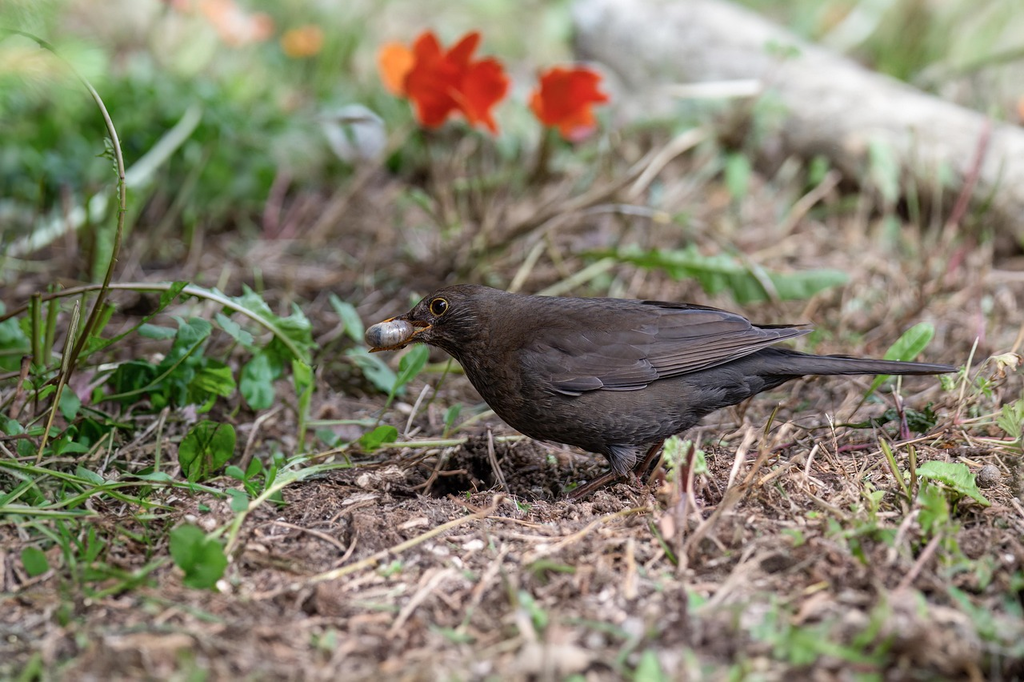
- Compare how insects and birds find food, using examples of different feeding strategies
- Explain how birds and insects interact in ecosystems, including roles like pollination and pest control
- Recognize key differences in anatomy and body systems between insects and birds
- Understand how life cycles and behaviors influence where insects and birds live and thrive
❓ Frequently Asked Questions
How are insects and birds related in an ecosystem?
Birds often eat insects, helping control insect populations. Insects also form an important part of many birds’ diets.
Why do some birds prefer insects over seeds or fruit?
Insects are often high in protein and provide energy, which can be especially important during breeding or when feeding young birds.
Do insects and birds compete for the same food?
Sometimes, but not always. Some insects eat similar plant material as certain birds, while birds and insects more commonly interact through feeding relationships.
How do birds catch insects in the wild?
Birds use strategies like aerial hunting, perching and watching, ground foraging, and gleaning insects from leaves, bark, or grass.
What adaptations help insects and birds survive their interactions?
Insects may use camouflage, fast flight, or defensive chemicals, while birds may have sharp beaks, strong eyesight, and specialized hunting behaviors to capture prey.