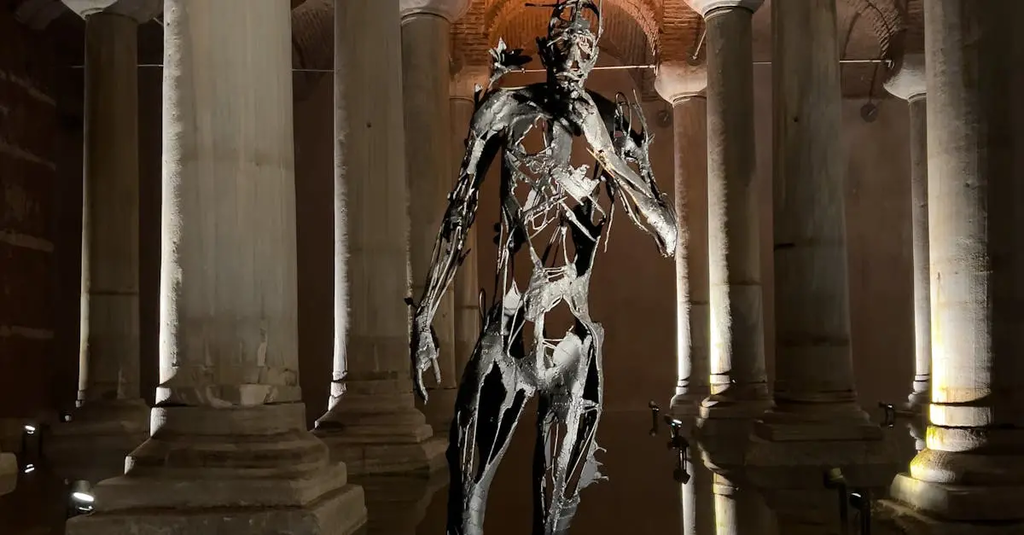
Installation and site-specific art are contemporary art forms that emerged in the late 20th century, focusing on immersive, three-dimensional works designed for particular locations. Unlike traditional art, these pieces engage viewers by transforming spaces, often incorporating various materials and sensory experiences. Site-specific art is created in response to its environment, meaning its meaning and impact are tied closely to its location, making each work unique and context-dependent within art history and movements.
Installation & Site‑Specific Art
Installation and site-specific art are contemporary art forms that emerged in the late 20th century, focusing on immersive, three-dimensional works designed for particular locations. Unlike traditional art, these pieces engage viewers by transforming spaces, often incorporating various materials and sensory experiences. Site-specific art is created in response to its environment, meaning its meaning and impact are tied closely to its location, making each work unique and context-dependent within art history and movements.
💡 Key Takeaways
- Define site-specific installation art and explain how the location informs concept, materials, and viewer experience.
- Identify key considerations for creating installation art, including site context, scale, accessibility, and interaction with surroundings.
- Understand practical and ethical aspects such as obtaining permissions, public safety, conservation, and maintenance for site-based works.
- Explore how audience participation, temporality, and documentation (photography, video, catalogs) shape meaning and reception of installation art.
❓ Frequently Asked Questions
What is site-specific art?
Site-specific art is a work created to exist in a particular location, responding to its surroundings and often designed to be inseparable from that place.
What factors should be considered when planning a site-specific installation?
Context and meaning of the location, permissions and permits, accessibility and safety, power/water needs, weather durability, audience flow, and long-term maintenance.
What materials considerations are important for site-specific works?
Weather resistance, weight and installation method, durability, maintenance needs, potential impact on the site, and how materials interact with the environment.
How do temporary and permanent site-specific installations differ?
Temporary works are designed for a limited time and easier to permit; permanent works are intended to endure long-term and require ongoing maintenance and integration with the site.